Pilates: Why it’s the smart low-impact workout for strength, posture, and mobility
What is Pilates?
Pilates is a movement system focused on controlled, precise exercises that build core strength, improve posture, and enhance overall body awareness.
It includes mat work using body weight and equipment-based sessions like reformer classes that add resistance and support.
The emphasis is on quality of movement rather than quantity, making Pilates accessible to people at many fitness levels.
Core benefits that matter
– Stronger core and spine stability: Pilates trains the deep abdominal and back muscles that support the spine. That translates into better posture, reduced strain during daily activities, and improved performance in other sports.
– Reduced back and joint pain: Because work focuses on alignment and balanced muscle activation, many people experience fewer flare-ups of low-back pain and less joint discomfort when practicing consistently.
– Improved flexibility and range of motion: Dynamic stretching and controlled mobilization help maintain healthy joints and lengthen tight muscles without overstressing tissue.
– Better balance and coordination: Pilates challenges proprioception — the body’s sense of position — which helps prevent falls and improves functional movement for everyday tasks.
– Mind–body connection and stress reduction: The deliberate breathing patterns and concentration required in Pilates promote a calming effect similar to mindful movement practices.
Mat vs.
reformer: which to choose?
Mat Pilates is portable and affordable — ideal for beginners and home practice. It develops body awareness and strength using precise movement sequences. Reformer Pilates uses a spring-loaded carriage to provide variable resistance, making it easier to modify exercises and progress strength gains. Reformer sessions also tend to offer more one-on-one attention in studio settings. Both approaches complement each other; many people alternate between mat and reformer to maintain variety and target different fitness outcomes.
How to get started (and stay safe)
– Begin with a beginner-friendly or introductory class to learn fundamental breathing, alignment, and core activation techniques.
– Prioritize technique over intensity. Controlled repetition with correct form produces long-term results and minimizes injury risk.
– Communicate any health concerns — like pregnancy, osteoporosis, or recent injuries — before class so instructors can modify exercises appropriately.
– Complement Pilates with occasional strength training or cardio for balanced fitness.
Pilates builds control and mobility that improves lifting mechanics and aerobic efficiency.
Common mistakes to avoid
– Overusing the neck or shoulders during core exercises instead of engaging the deep abdominals.
– Rushing through movements; speed undermines control and reduces effectiveness.
– Arching the lower back when the goal is spinal neutral — keep alignment cues front of mind.
Finding the right instructor or class
Look for certified instructors with a clear teaching style and sensible progression. Trial classes and short private sessions can reveal whether a studio’s approach matches personal goals.
Online classes can be effective for maintenance, but in-person coaching is valuable for mastering alignment and preventing compensations.
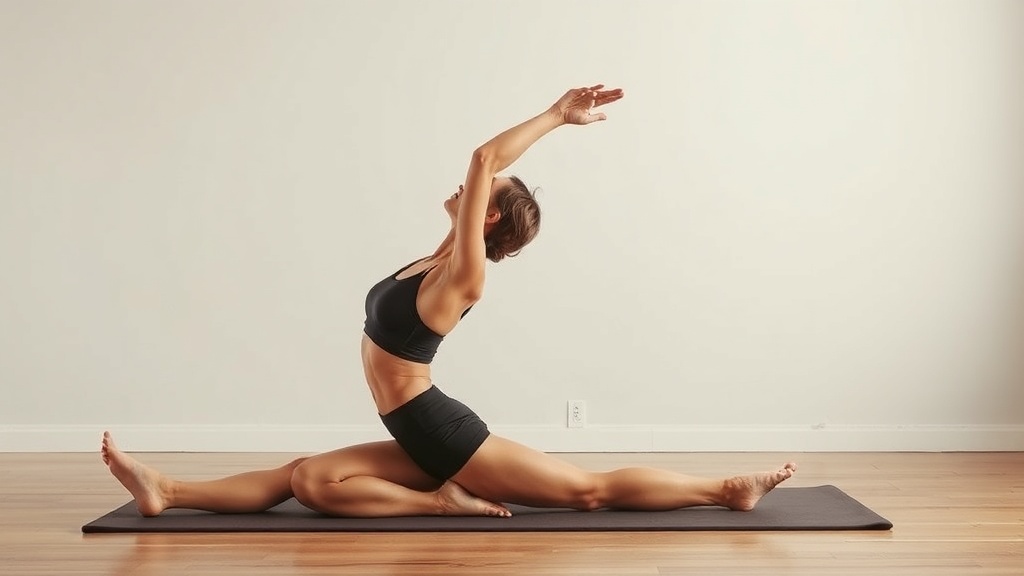
Why Pilates works long term
Pilates builds sustainable strength, mobility, and movement intelligence rather than chasing transient fitness trends.
Because its principles are adaptable, it supports rehabilitation, athletic performance, and everyday movement quality — making it a practical, lasting addition to a smart fitness routine. Try a class and pay attention to how posture, ease of movement, and core confidence change over a few consistent sessions.