Pilates Today: Why It Works, How to Start, and Common Mistakes
Pilates has grown beyond a workout trend to become a staple for people seeking better posture, core strength, mobility, and mindful movement. Whether you choose mat Pilates or reformer Pilates, the method focuses on controlled, precise movements that build long-term functional strength without bulk.
Why Pilates is effective
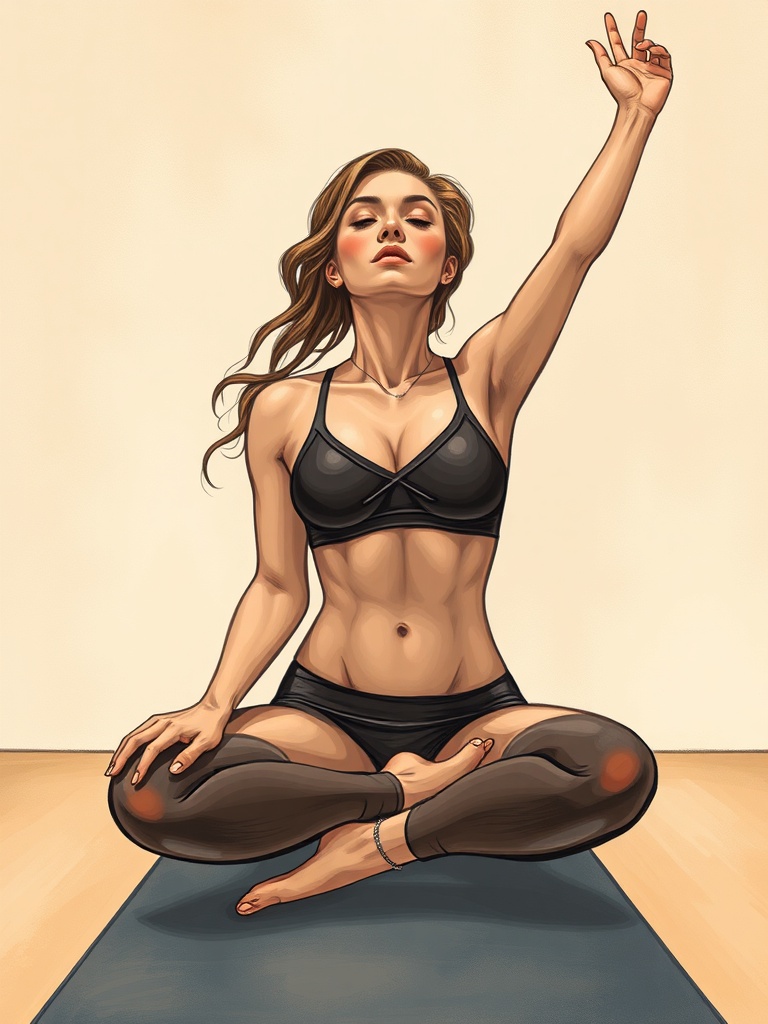
– Core integration: Pilates emphasizes the deep core muscles—the transverse abdominis, pelvic floor, and multifidus—creating a stable center that supports everyday movement and reduces back pain.
– Mobility and alignment: Controlled joint articulation and dynamic stretching improve range of motion while promoting better posture and spinal alignment.
– Low-impact conditioning: Movements are gentle on joints, making Pilates suitable for beginners, older adults, and those rehabbing injuries.
– Mind-body connection: Focused breathing and deliberate pacing enhance body awareness, reducing injury risk and supporting stress relief.
Mat vs.
reformer: which to choose
Mat Pilates is accessible and portable; it uses bodyweight and small props (bands, small balls, rings) to challenge strength and stability. Reformer Pilates adds spring resistance and a sliding carriage for more precise load management and progression. Beginners often benefit from a few private reformer sessions to learn alignment cues before joining group classes, but both formats deliver measurable results when practiced consistently.
Practical tips for getting started
– Begin with a fundamentals class or private session to learn breathing, pelvic placement, and neutral spine. These cues are the backbone of safe, effective practice.
– Aim for regular practice—short, focused sessions multiple times per week outperform occasional long workouts for building motor control and endurance.
– Use props thoughtfully: resistance bands and small Pilates balls can add variety without compromising form.
– Integrate Pilates into your overall fitness routine. It pairs well with cardio and strength training by improving movement efficiency and reducing injury risk.
Common mistakes to avoid
– Rushing through exercises: Pilates is about control; fast repetitions reduce effectiveness and increase injury risk.
– Over-relying on the superficial abs: It’s common to engage only the visible abdominals. Prioritize the deep stabilizers and pelvic floor for true core strength.
– Forgetting breath mechanics: Proper lateral breathing supports the ribcage and core, enhancing movement quality.
– Neglecting progression: Once a movement becomes easy, increase resistance or complexity to keep improving.
Pilates for rehabilitation and special populations
Pilates is widely used alongside physical therapy for back pain, postural imbalances, and pelvic floor dysfunction. Pregnant people and postpartum clients can benefit from modified programs that prioritize pelvic floor health and gentle core reconnection. Always consult a healthcare professional before beginning or modifying practice if you have specific medical concerns.
Finding the right class
Look for certified instructors who can demonstrate technical knowledge, offer modifications, and provide hands-on cues safely.
Hybrid options—studio classes plus online follow-ups—are increasingly popular for maintaining consistency when schedules are tight.
Final thought
Pilates is a versatile, sustainable practice that enhances strength, mobility, and movement quality across fitness levels. With proper instruction, mindful progression, and regular practice, it delivers long-lasting benefits that translate into daily life and other athletic pursuits. Try a fundamentals session and prioritize form over intensity to experience the difference.