Desk-Friendly Yoga: Simple Practices to Reduce Pain, Improve Posture, and Boost Focus
Sitting for long stretches strains the neck, shoulders, and lower back while blunting energy and concentration. Desk-friendly yoga offers targeted stretches, gentle mobility and breath work that can be done between meetings or during short breaks to relieve tension, improve posture and reset the nervous system.
Why desk yoga helps
– Releases tight muscles caused by forward head posture and rounded shoulders.
– Improves circulation to reduce fatigue and brain fog.
– Encourages spinal mobility, reducing risk of chronic back pain.
– Activates the parasympathetic nervous system for stress relief and clearer focus.
Quick principles before you begin
– Breathe: Move with a steady, easy breath. Slow inhales and exhales help reduce tension.
– Micro-movements matter: Even 30–60 seconds per stretch can be effective.
– Use props: A stable chair, wall, strap or water bottle can help with alignment.
– Modify: If any movement causes sharp pain or dizziness, stop and adjust. Consult a healthcare provider if you have recent injuries, high blood pressure, glaucoma, or are pregnant.
A 10-minute desk yoga sequence (no mat needed)
1. Seated grounding (1 minute)
– Sit with your feet flat, knees hip-width.
Lengthen through the spine, soften the shoulders. Place hands on thighs and take 6–8 slow breaths, imagining the breath traveling from low belly to collarbones.
2. Neck releases (1 minute)
– Drop the right ear to the right shoulder and hold for 4 breaths. Roll chin to chest slowly, then to left shoulder. Repeat gently, avoiding forceful rolling.
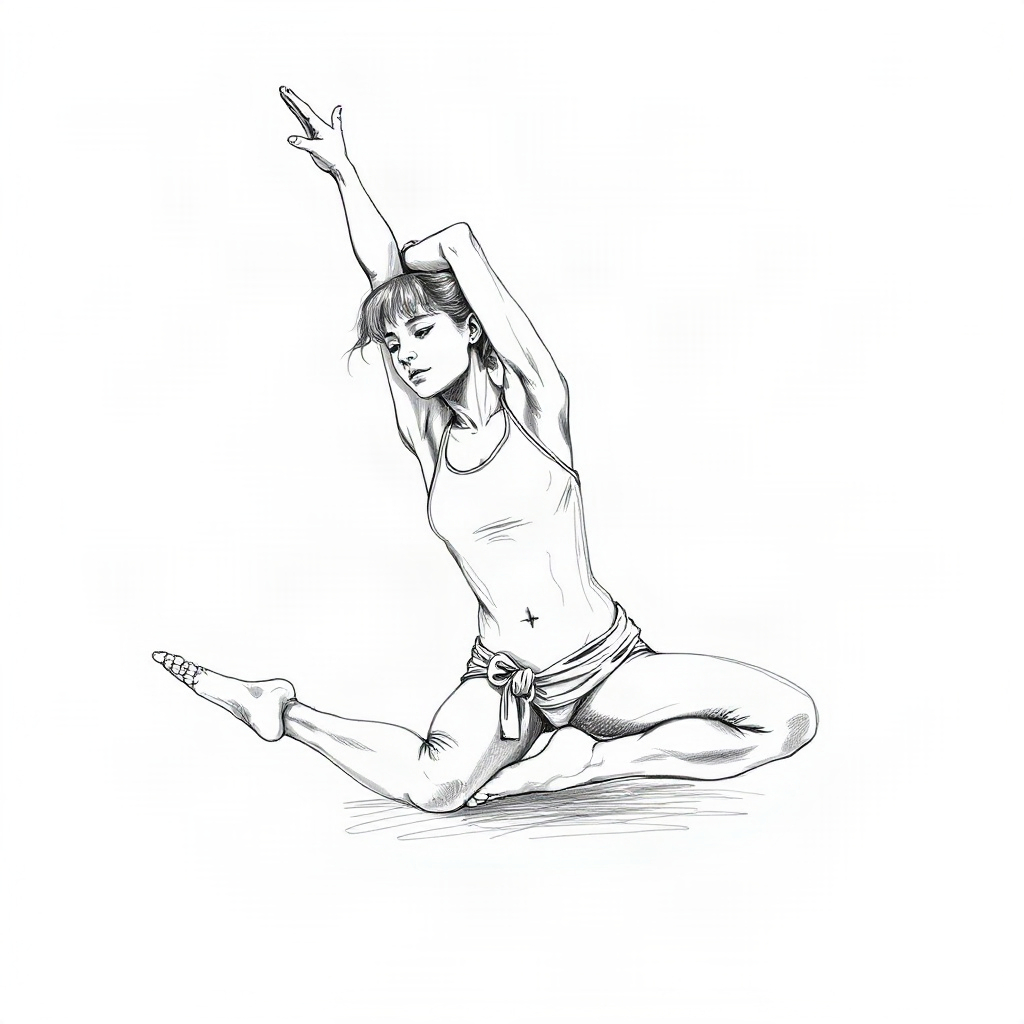
3. Seated cat-cow (1 minute)
– Place hands on knees.
Inhale arching the spine and lifting the chest (cow), exhale rounding the spine and tucking the chin (cat). Coordinate movement with breath for 6–8 cycles.
4. Chest opener at the edge of the chair (1 minute)
– Sit near the front edge, interlace fingers behind the back and draw shoulder blades together while opening the chest. Keep neck neutral and breathe deeply for 6 breaths.
5. Seated twist (1 minute)
– Inhale to lengthen; exhale to twist gently to the right, left hand on outer right thigh, right hand behind you on the chair back.
Hold 4–6 breaths, then switch sides. Keep hips facing forward.
6. Forward fold for low back stretch (1 minute)
– From seated, hinge at the hips and fold forward over your thighs, letting the head and neck relax. Support hands on shins or the floor. Breathe deeply to release the lower back.
7. Wrist and forearm mobility (1 minute)
– Extend one arm, palm up, and gently pull back the fingers with the opposite hand. Switch to palm down to stretch forearm extensors. Repeat both sides for 30 seconds each.
8. Standing calf stretch and shoulder opener (2 minutes)
– Stand behind your chair, place hands on the backrest. Step one foot back and press heel toward the floor for a calf stretch, then shift weight and open chest by lifting sternum and drawing shoulder blades down.
Hold each side for 30–45 seconds.
Breath technique to reset (1 minute)
– Try box breathing: inhale for a comfortable count of four, hold for four, exhale for four, hold for four. Repeat 3–4 rounds to calm the nervous system and sharpen focus.
How often to practice
Short sessions multiple times daily are more beneficial than a single long stretch.
Aim for several mini-routines during work hours and a longer practice before or after work for deeper mobility.
Final tips
Keep posture cues handy—shoulders back and down, ears over shoulders, neutral pelvis—and add keyboard or monitor adjustments to support the body between practices. Small, consistent movement breaks transform how the body feels and how the mind performs during long workdays.