Pilates: Why It Works — and How to Get the Most from Your Practice
Pilates has gained wide appeal for good reason: it’s a low-impact, highly adaptable system that builds strength, improves alignment, and helps reduce pain without bulky equipment or long workouts.
Whether you’re a complete beginner, an athlete looking to improve performance, or rehabbing an injury, Pilates offers tools to move with more control and confidence.
Core benefits that matter
– Core strength and spinal stability: Pilates emphasizes deep abdominal and back muscles that support the spine, reducing strain and improving posture.
– Improved posture and alignment: Exercises focus on lengthening through the spine and balancing the body, which translates to better posture at work and during everyday activities.
– Greater mobility and flexibility: Controlled movements and mindful stretching create joint mobility without overstretching, ideal for longevity.
– Reduced pain and better injury prevention: A focus on alignment and muscular balance helps address common pain patterns, especially in the lower back and shoulders.
– Mind–body connection and breath control: Coordinating breath with movement brings calm, enhances performance, and helps recruit the right muscles at the right time.
Styles and equipment
Mat Pilates uses body weight and small props to create a full-body workout. It’s portable and excellent for foundational skills.
Reformer Pilates adds resistance and support via the reformer carriage, allowing for precise loading and a wider exercise variety. Other apparatus—Cadillac, Wunda chair, barrels—offer targeted mobility and strength challenges.
Small props like resistance bands, Pilates circles, foam rollers, and light magic circles can add variety to mat classes and make sessions more accessible or challenging depending on need.
How to start (and progress)
– Begin with an intro or beginner class to learn breathing, pelvic placement, and neutral spine. Good form beats quantity every time.
– Schedule consistency: short, regular sessions (two to three times per week) produce better results than sporadic long workouts.
– Focus on quality: move with control, maintain alignment, and prioritize slow, deliberate repetitions.
– Mix modalities: use Pilates to complement cardio or strength training.
It enhances movement efficiency and reduces injury risk when paired with other activities.
– Work with a certified instructor for personalized cues, especially when dealing with pain, pregnancy, or post-surgery rehab. Personalized attention accelerates results and prevents compensations.
Safety and modifications
Pilates is adaptable but not one-size-fits-all.
Communicate health concerns to your instructor and ask for modifications. Pregnant and postpartum bodies benefit from tailored programs that respect pelvic floor health and progressive load. If you have ongoing pain or a recent injury, consult a healthcare professional before starting and consider sessions with a clinically trained Pilates teacher.
Maximize long-term results
– Track progress beyond weight or appearance: note posture changes, range of motion, pain levels, and daily activity ease.
– Prioritize breath and control over speed and repetitions.
– Build a balanced program that includes mobility work, Pilates sessions, and other movement forms to keep your routine engaging and sustainable.
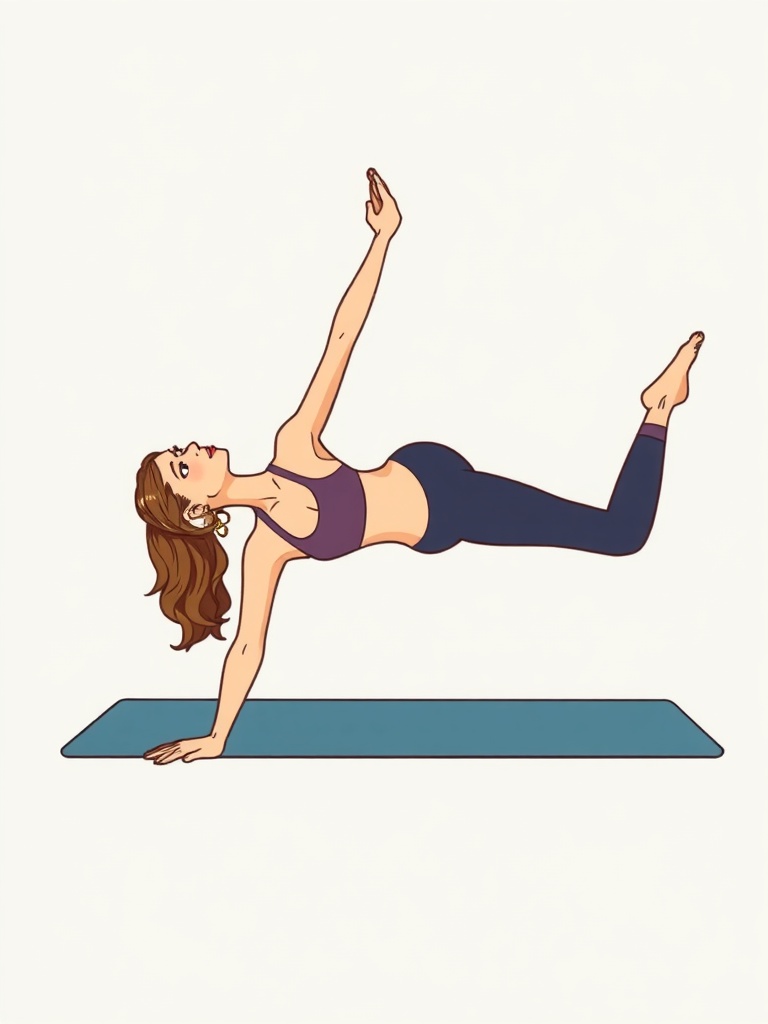
Pilates remains a powerful, adaptable approach to movement that suits many fitness levels and goals.
With focused practice and guidance, it delivers lasting improvements in strength, mobility, and body awareness that translate into better movement every day.