Essential Yoga Practices for Balance, Flexibility, and Stress Relief
Yoga remains one of the most accessible tools for improving physical fitness, managing stress, and cultivating mental clarity. Whether you practice in a studio, at home, or through online classes, a consistent, intentional approach will deliver the best results.
Below are practical strategies and a short sequence to help you build sustainable yoga habits.
Why yoga works
Yoga blends movement, breath, and mindfulness. The combination enhances flexibility, strengthens stabilizing muscles, and calms the nervous system. Regular practice can improve posture, reduce chronic tension (especially in the hips, shoulders, and lower back), support better sleep, and sharpen focus. For many, yoga doubles as a practical stress-management system that complements other wellness routines.
Breathwork and mindfulness
Breath is foundational. Two simple practices to integrate:
– Diaphragmatic breathing: Inhale deeply through the nose, expanding the lower ribs and belly; exhale fully through the nose. Aim for slow, even cycles that lengthen the exhale slightly longer than the inhale to activate the parasympathetic response.
– Box breathing: Inhale for four counts, hold for four, exhale for four, hold for four.
This pattern can be shortened or lengthened according to comfort and is excellent for resetting during a busy day.
Quick 10-minute sequence for beginners
A short, repeatable flow is ideal for busy schedules and builds momentum without burnout.
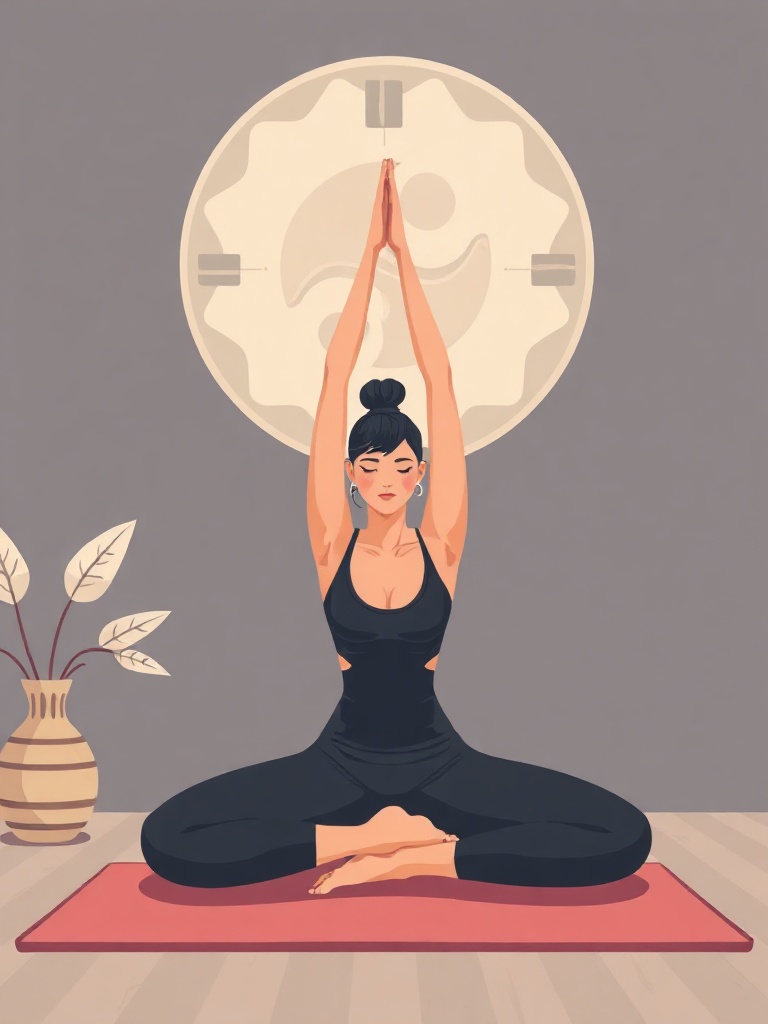
– Seated breath (1 minute): Find tall posture and a steady breath.
– Cat-Cow (1 minute): Warm the spine with fluid movement, matching breath to motion.
– Downward-Facing Dog (1 minute): Pedal the feet to release hamstrings and calves.
– Low Lunge (1 minute each side): Open the hip flexors and build stability.
– Warrior II to Reverse Warrior flow (1 minute each side): Strengthen legs and open the chest.
– Standing Forward Fold (1 minute): Release the back and hamstrings.
– Child’s Pose (1 minute): Surrender and breathe deeply.
– Savasana or seated relaxation (1–2 minutes): Close with mindful rest.
Modifications and props
Props like blocks, straps, and bolsters make poses accessible and safe. Use a block under the hand in Triangle pose to maintain proper alignment, or a strap around the feet in seated forward folds to preserve a long spine. For those with knee or wrist sensitivity, practice poses on a folded blanket or explore forearm variations to reduce pressure.
Progression and consistency
Short, frequent practices often yield more progress than sporadic long sessions. Aim for micro-sessions when time is tight: five to fifteen minutes daily helps retain mobility, reduces stress, and reinforces habit formation. Rotating class styles—restorative for recovery, vinyasa for strength and cardio, yin for deep connective tissue work—creates a balanced routine.
Safety considerations
Listen to your body and avoid pushing into pain.
People with specific health conditions, recent surgeries, or pregnancy should consult a healthcare professional or experienced instructor for tailored guidance.
A certified teacher can offer alignment cues and modifications to protect joints and the spine.
Bringing yoga off the mat
Incorporate small practices into daily life: a few mindful breaths before a meeting, a gentle twist after sitting long hours, or a standing balance while brushing your teeth.
These habits help yoga’s benefits extend into movement patterns and stress responses throughout the day.
Get started
Start with realistic goals, use props where needed, and prioritize breath. Even a short daily practice will build resilience, mobility, and calm that supports both body and mind.