Pilates: Practical Guidance for Better Strength, Mobility and Posture
Pilates is a low-impact movement system designed to build core strength, improve posture, increase mobility and support sustainable fitness.
Whether choosing mat Pilates or a reformer session, the method emphasizes quality of movement over quantity — a key reason it’s effective for rehabilitation, athletic cross-training and everyday functional fitness.
Why Pilates works
At its core, Pilates trains muscle control, breath coordination and spinal mobility.
Exercises target deep stabilizers around the pelvis and spine (often called the “powerhouse”), which helps reduce pain, prevent injury and improve balance.
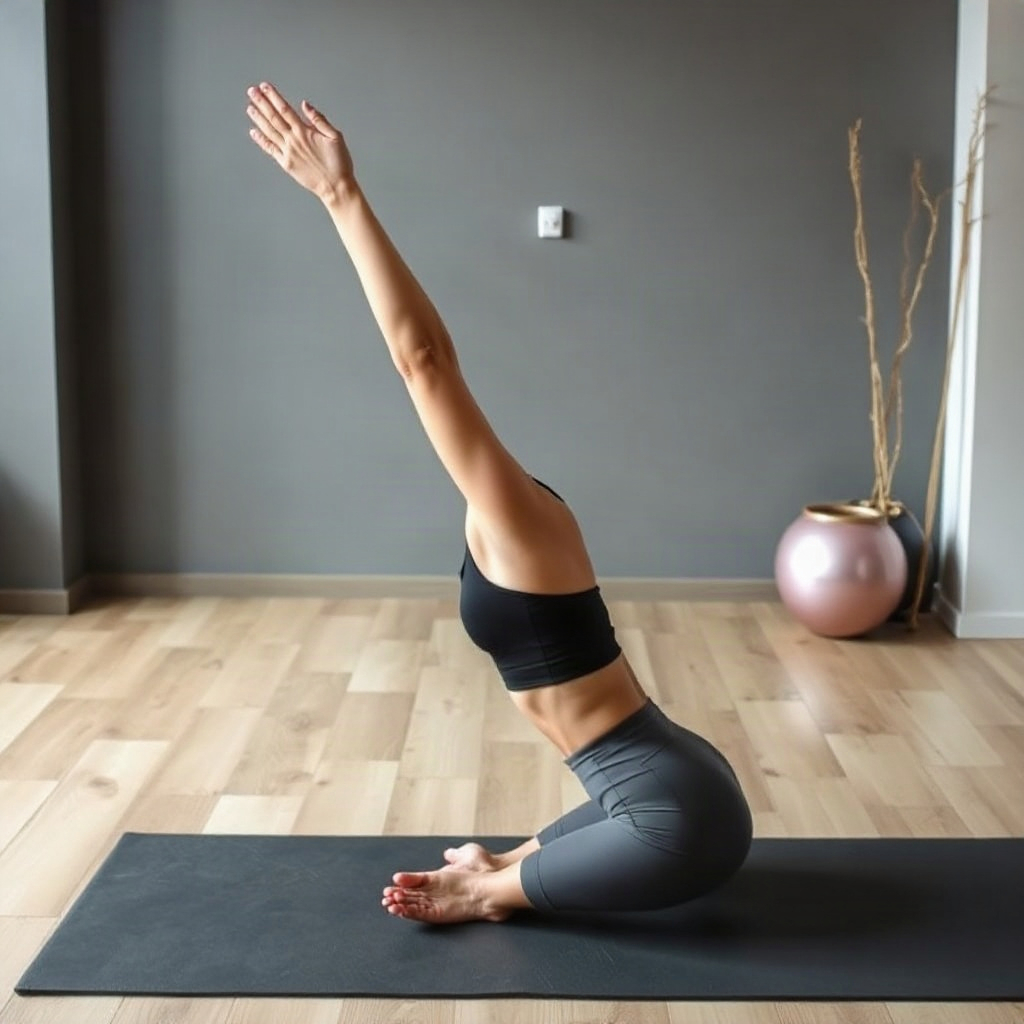
Because movements are performed slowly and with attention, Pilates also strengthens neuromuscular patterns that carry over to daily activities.
Mat vs. Reformer: Which to choose
– Mat Pilates: Accessible and portable, mat work uses body weight and small props (bands, magic circles) to challenge strength and coordination. It’s excellent for beginners and group classes.
– Reformer Pilates: The reformer adds springs and a moving carriage, offering variable resistance and mechanical assistance.
It’s ideal for precise load management, progression and targeted rehabilitation.
Key benefits
– Improved posture and spinal alignment
– Greater core stability and reduced low-back discomfort
– Enhanced hip and shoulder mobility
– Better movement efficiency for sports, walking and lifting
– Safer, low-impact conditioning for older adults and those recovering from injuries
Common mistakes and how to fix them
– Holding the breath: Coordinate inhalation and exhalation with movement to support the core and reduce tension.
– Over-recruiting surface muscles: Focus on gentle engagement of deep abdominal and pelvic floor muscles rather than brute force.
– Pulling on the neck: Use hands lightly behind the head and lead with the chest to protect the cervical spine.
– Rushing reps: Slow, controlled repetitions build strength and control more effectively than fast or ballistic movement.
Practical tips for progression
– Prioritize form over intensity.
Increase resistance or repetitions only when you can maintain precise technique.
– Add small props (resistance bands, light weights, a Pilates ball) to introduce new challenges without sacrificing control.
– Mix mat and equipment sessions to balance mobility, endurance and strength.
– Work with a certified instructor periodically to refine alignment, especially when using equipment like the reformer.
Pilates for special populations
Pilates adapts well for pregnancy, postpartum recovery and aging bodies, but modifications are essential.
Choose instructors trained in prenatal/postnatal care when pregnant or newly postpartum. For chronic pain or recent injury, seek a practitioner with rehabilitation experience and get medical clearance when needed.
Finding the right class
Look for small class sizes or private sessions when learning fundamentals. Read instructor bios for certifications (comprehensive Pilates training, reformer credentials, clinical experience). When trying virtual classes, start with beginner-level programs and ensure clear verbal cues and camera angles that allow the instructor to see your form.
Everyday integration
Incorporate short Pilates sequences into your day to counteract prolonged sitting: pelvic tilts, scapular mobility, hip-openers and gentle thoracic rotations can restore movement and relieve stiffness.
Even five to ten minutes of mindful Pilates work between meetings helps reset posture and breathing.
For sustained results, combine Pilates with cardiovascular activity, strength training and mobility work.
With consistent practice and attention to technique, Pilates supports a resilient, pain-resistant body that moves with greater efficiency and ease.