Pilates offers a powerful, low-impact approach to building strength, improving mobility, and calming the nervous system. Rooted in precision, breath control, and mindful movement, it’s become a go-to method for people seeking better posture, injury rehabilitation, or a complementary practice to running, cycling, and strength training.
What makes Pilates effective
Pilates emphasizes core stability and balanced muscle development rather than just bulking up major muscle groups. Movements focus on the deep stabilizers—transverse abdominis, multifidus, pelvic floor—helping create a strong, responsive center that supports efficient movement. Breath patterning and deliberate alignment reduce compensations and teach safer movement mechanics that translate to everyday activities and sports.
Mat vs. equipment-based Pilates
Mat Pilates uses bodyweight and small props to challenge stability and coordination. It’s accessible, portable, and excellent for building foundational control. Reformer and apparatus-based Pilates (Reformer, Cadillac, Wunda Chair, barrels) add springs and varying leverage to increase resistance, assist movement, and expand exercise possibilities.
Many studios combine mat and reformer work to create varied, progressive sessions.
Benefits for everyday life and athletic performance
– Improved posture and reduced back pain from stronger postural muscles and better movement patterns
– Enhanced mobility and joint health through controlled, full-range motion
– Injury prevention and rehabilitation by addressing imbalances and retraining movement mechanics
– Better breathing efficiency and stress resilience via coordinated breath-work
– Improved athletic performance through integrated core strength, rotation control, and power transfer
What to expect in a first class
Expect an emphasis on alignment, breathing, and slow, precise repetitions. A good instructor will assess movement quality, offer modifications, and cue for neutral spine and pelvic placement rather than pushing high reps or extreme ranges. Communicate any history of injury, recent pregnancies, or chronic conditions so the instructor can adapt exercises safely.
Choosing an instructor or studio
Look for instructors with comprehensive training and continuing education.
Recognized certifications and affiliations, such as those from major Pilates organizations and reputable training schools, indicate a solid foundation. Read reviews, observe a class if possible, and prioritize studios that place safety and individualized coaching above flashy workouts.
Modifications and safety
Pilates is adaptable, but proper cueing is essential. Avoid holding breath or straining (Valsalva maneuver) during exertion.
Those with pelvic floor dysfunction, recent surgery, or pregnancy should seek instructors experienced in therapeutic modifications. When practicing online, start with beginner classes, use a mirror, and pause frequently to check form.
Practical tips to get the most from Pilates
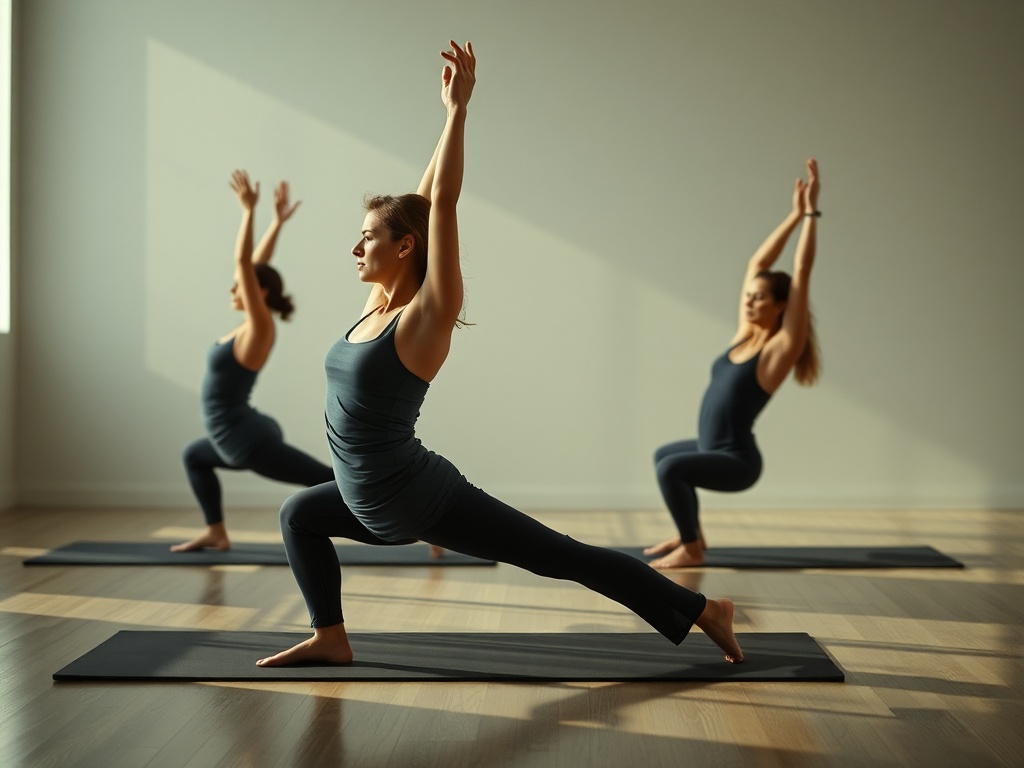
– Aim for consistent practice: short, frequent sessions often deliver better progress than sporadic intense workouts.
– Combine Pilates with strength training and cardio for a balanced program.
– Focus on quality over quantity—precision yields better results than speed.
– Use props (resistance band, small ball) to add variability and challenge stability progressively.
– Track improvements in functional tasks (lifting, bending, balance) rather than just looking for visible changes.
Who benefits most
Pilates suits a wide range of people: those recovering from injury, desk-bound workers needing postural correction, athletes seeking cross-training benefits, and anyone looking for a mindful movement practice that builds long-term resilience.
If you’re uncertain where to start, try a private session or an introductory class to learn foundational cues and build confidence. With consistent, mindful practice, Pilates can reshape movement patterns, reduce pain, and support a more active, balanced life.