Pilates is a versatile movement system that builds core strength, improves posture, and increases mobility through controlled, mindful exercises. Whether practiced on a mat or using studio equipment like the reformer, Pilates emphasizes breath, alignment, and precise movement, making it suitable for beginners, athletes, and anyone looking to move with more ease.
Why Pilates works
Pilates targets the deep stabilizing muscles around the spine, hips, and pelvis—the “powerhouse” that supports everyday movement. By focusing on quality over quantity, it helps:
– Improve posture and spinal alignment
– Build balanced core strength without bulk
– Enhance joint mobility and flexibility
– Reduce chronic pain, especially in the lower back and neck
– Support pelvic floor function and pelvic stability
– Promote body awareness and movement efficiency
Styles and equipment
Mat Pilates: Uses a small space and minimal equipment. Exercises rely on bodyweight and often include props like resistance bands, small balls, or a magic circle to add variety and challenge.
Reformer Pilates: The reformer uses springs and a sliding carriage to add resistance and assistance. It allows for more precise loading and can be adapted for rehabilitation or advanced strength work.
Apparatus work: Cadillac, Wunda Chair, and Ladder Barrel offer focused ways to explore mobility, balance, and strength through different lines of movement.
Clinical and contemporary approaches: Pilates blends well with physical therapy and functional training. Many instructors incorporate elements from other modalities to address specific goals such as injury recovery, athletic performance, or prenatal/postnatal care.
How to get started
– Take a beginner class: A teacher can assess alignment, teach foundational breathing patterns, and ensure safe execution of key moves.
– Start with mat basics: Learn neutral spine, pelvic placement, ribcage breathing, and classic exercises like the pelvic curl, chest lift, and leg circles.
– Progress gradually: Increase challenge through small increments—add repetitions, range of motion, or light resistance before jumping to advanced variations.
– Frequency matters: Short, consistent sessions produce better results than sporadic long workouts. Aim for a few focused sessions per week.
Common mistakes and how to avoid them
– Overworking the superficial muscles: Avoid using the neck, hip flexors, or glutes to compensate for a weak core. Cueing and mindful practice help prevent these substitutions.
– Holding breath: Pilates emphasizes coordinated breathing; inhalation and exhalation should support movement rather than interrupt it.
– Rushing through exercises: Precision is more effective than speed.
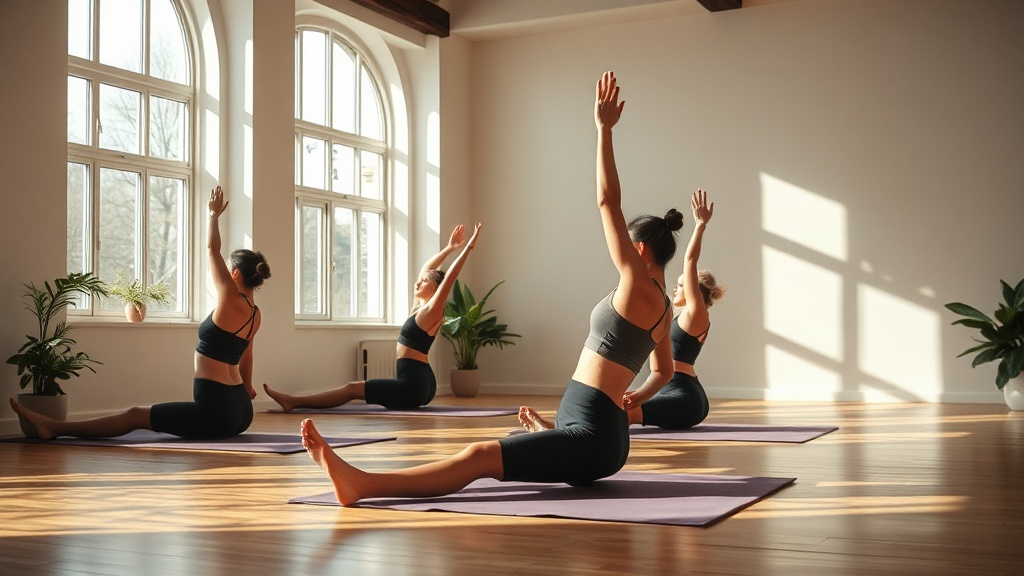
Slow, controlled repetitions build stability and teach proper motor patterns.
– Ignoring mobility: Strength should be paired with mobility work to ensure joints move through full, pain-free ranges.
Modifications and safety
Pilates is adaptable for pregnancy, postpartum recovery, aging bodies, and injury rehabilitation when guided by a trained instructor. Modifications like reducing range of motion, using props, or working in supported positions make exercises accessible while maintaining effectiveness. If there’s a history of spinal injury, pelvic pain, or recent surgery, seek professional clearance and choose classes geared toward rehabilitation.
Making Pilates part of daily life
Incorporate Pilates principles into daily activities: breathe with movement, maintain neutral alignment while sitting and standing, and practice short mobility breaks during long periods of sitting. Over time, this mindful approach helps transfer studio gains into everyday function.
For lasting results, pair Pilates with cardiovascular work, strength training, and recovery practices like sleep and nutrition. With consistent practice, Pilates becomes a sustainable path to greater resilience, balance, and movement confidence.