Pilates is a low-impact, full-body exercise method that blends strength, flexibility, balance, and mindful breathing. It’s popular among people looking to improve posture, rehabilitate from injury, complement athletic training, or just move with more ease. The method’s emphasis on core control and precise movement makes it highly adaptable across fitness levels.
Core benefits
– Improved core strength and spinal stability: Pilates trains deep abdominal and back muscles, helping reduce back pain and improve functional movement.
– Better posture and alignment: Exercises focus on neutral spine and balanced muscle engagement, which can translate to reduced fatigue and fewer postural complaints during daily activities.
– Increased flexibility and joint mobility: Controlled, progressive stretches and dynamic mobility patterns help maintain range of motion without aggressive overstretching.
– Injury prevention and rehabilitation: Because it stresses alignment and control, Pilates is often used alongside physical therapy to restore movement patterns safely.
– Enhanced mind-body connection: Attention to breath, timing, and precision cultivates body awareness that transfers to sports and everyday tasks.
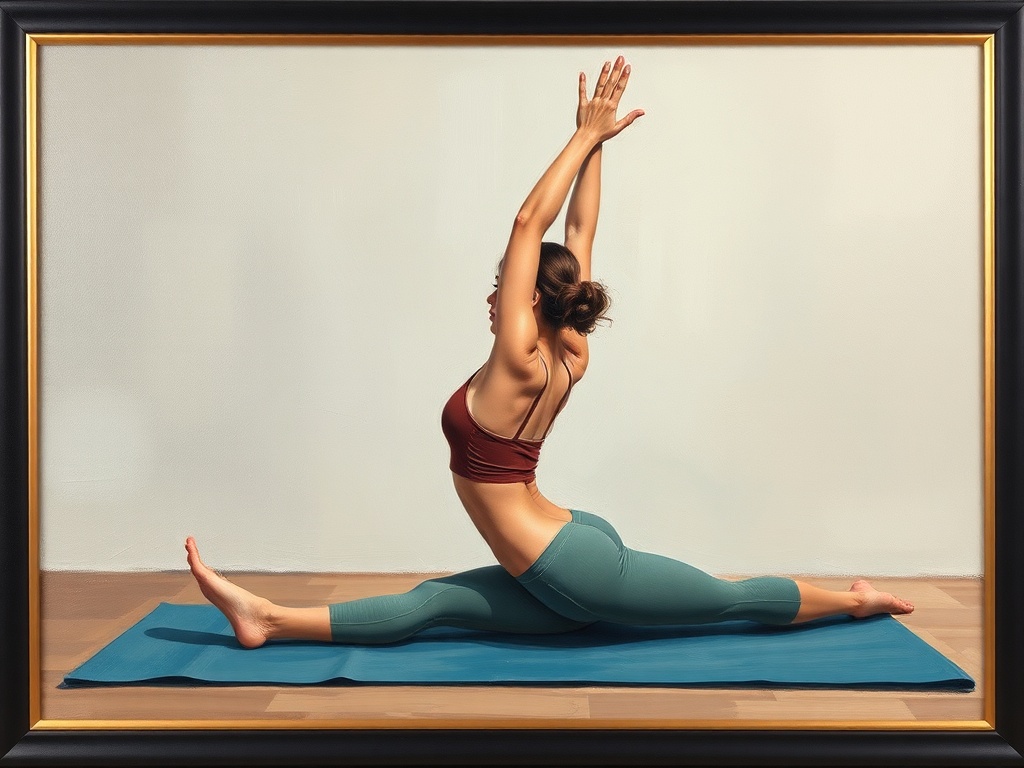
Types of Pilates
Mat Pilates uses bodyweight and small props (bands, rings, balls) and is perfect for building foundational control. Reformer Pilates uses a spring-loaded carriage for resistance and is great for progressive overload and varied movement planes. Tower, Cadillac, and chair apparatuses add further challenge and specificity. Classical and contemporary approaches differ in sequencing and emphasis, so explore styles to find what suits the body and goals.
How to start and what to look for
– Choose a beginner-friendly class or private session to learn key principles: neutral spine, pelvic stability, scapular control, and breathing. One-on-one instruction accelerates safe learning.
– Look for instructors who explain modifications and progressions.
An experienced teacher tailors cues to individual restrictions and goals.
– Communicate any injuries, surgeries, or pregnancy before class so movements can be adjusted.
Practice tips for steady progress
– Prioritize quality over quantity. Slow, controlled repetitions build strength and coordination more effectively than rushing.
– Practice lateral thoracic breathing—expanding the ribcage sideways rather than lifting the shoulders—so breath supports movement without tension.
– Maintain a neutral pelvis during many exercises; learn pelvic tilt variations to understand how the lumbar spine should move.
– Frequency of two to three consistent sessions per week yields measurable improvements for most people, with supplemental strength or cardio training as desired.
Common mistakes to avoid
– Overemphasizing range of motion at the expense of control. Smaller, controlled movements often deliver better results.
– Holding breath during effort. Breath should coordinate with movement rhythm.
– Neglecting scapular stability. Strong, mobile shoulders are essential for safe upper-body pilates work.
Sample beginner movements to explore
– Pelvic curl: trains posterior chain and spinal articulation.
– Single-leg stretch (modified): introduces coordination and core stability with reduced intensity.
– Leg circles (small range): focuses on control and hip mobility.
Whether used as a primary practice or to complement other training, Pilates offers a scalable way to build durable strength, mobility, and movement efficiency. Try a few supervised sessions to learn core principles, then adapt sessions to personal goals—healthier movement patterns are often the most rewarding outcome.