Pilates, a fitness modality that has been steadily gaining popularity over the past few years, is making a huge impact on the health and wellness industry. Originally developed in the early 20th century, Pilates has evolved into a comprehensive body-conditioning routine designed to build strength, flexibility, and mind-body awareness.
What sets Pilates apart from many other exercise regimes is its emphasis on whole-body wellness. It isn’t solely about building muscle or burning calories, but rather creating a balance between strength and flexibility within your body.
This core principle of Pilates offers a myriad of health benefits that extend beyond the physical realm, into the psychological and emotional aspects of wellness.
At the heart of any Pilates workout is the principle of ‘centering’. This concept focuses on the body’s core, often referred to in Pilates as the ‘powerhouse’. These muscles – the abdomen, lower back, hips, and buttocks – are the focal point of all Pilates exercises.
By building strength in the core, you’re not only enhancing physical stability but also promoting better posture and reducing the risk of injury.
Another fascinating aspect of Pilates is its mental health benefits.
By promoting mindful movement, Pilates encourages practitioners to focus on their breath, body alignment and the precise execution of each exercise.
This mindful movement practice can help reduce stress, improve mental clarity, and increase overall well-being.
Furthermore, Pilates is incredibly versatile.
With modifications available for nearly every exercise, Pilates can be tailored to suit practitioners at every fitness level. Whether you’re recovering from an injury, looking to improve athletic performance, or simply seeking a method to maintain overall fitness, Pilates offers an approachable and adaptable workout solution.
However, the key to truly unlocking the benefits of Pilates lies in regular practice. Consistency can lead to improved muscle tone and strength, better posture and flexibility, and enhanced mental well-being. It’s not about quick fixes or instant results; Pilates is a journey, a commitment to long-term, holistic health.
For those interested in trying Pilates, consider starting with a certified instructor to ensure proper form and prevent injury. Many gyms and fitness centers offer Pilates classes, or you can explore online resources for home-based workouts.
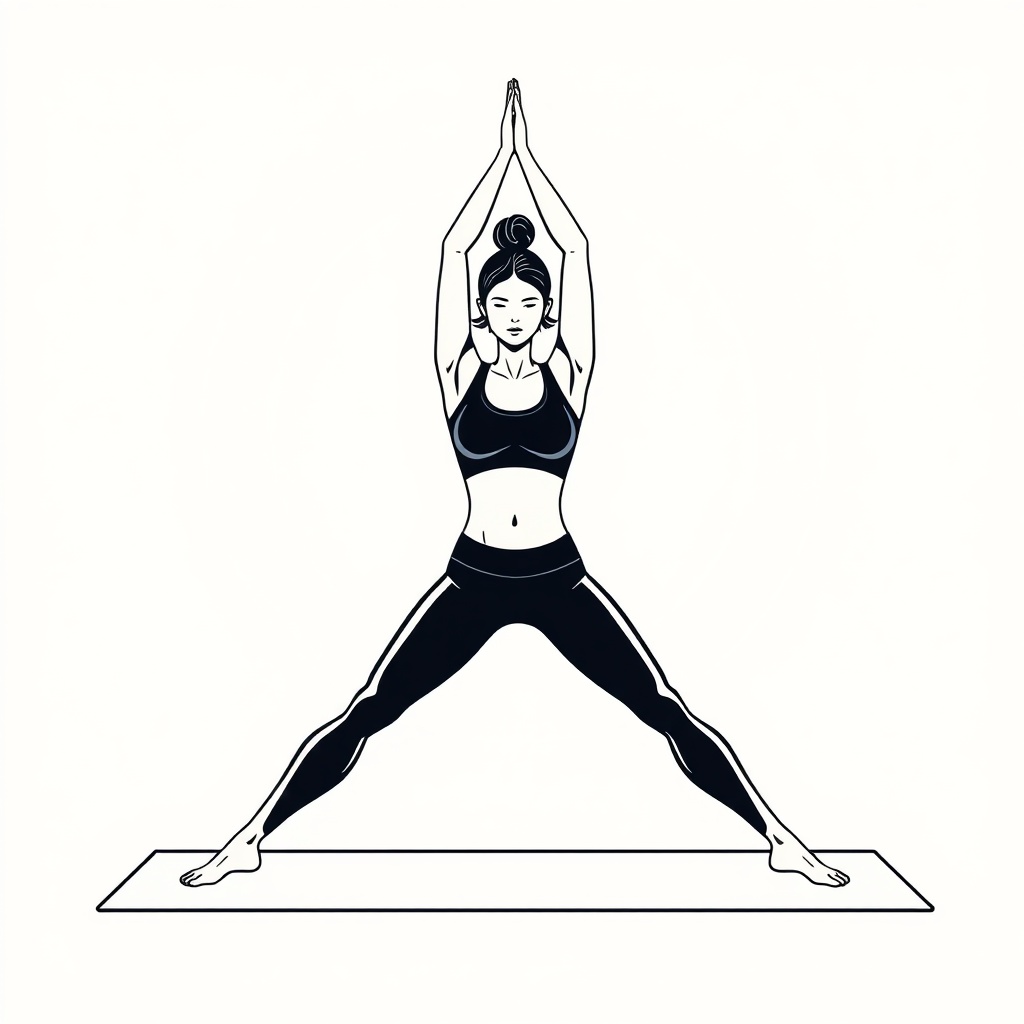
As with any fitness routine, it’s essential to listen to your body and progress at your own pace.
It’s no surprise that Pilates has earned its spot in the spotlight of the fitness world. With its unique blend of physical conditioning, stress reduction, and flexibility, Pilates offers a comprehensive approach to wellness that extends beyond the gym. So if you’re searching for a holistic, whole-body fitness routine that promotes both physical and mental health, it might be time to give Pilates a try.
The benefits are boundless, and the potential for personal growth is immense. Are you ready to unlock the power of Pilates?