CrossFit: How to Train Smarter, Stay Healthy, and Progress Consistently
CrossFit blends strength, conditioning, and skill work into intense, varied workouts designed to build fitness across multiple domains. Whether you’re new to the box or a seasoned athlete, the smartest approach balances purposeful programming, movement quality, and recovery so gains are sustainable and injuries stay rare.
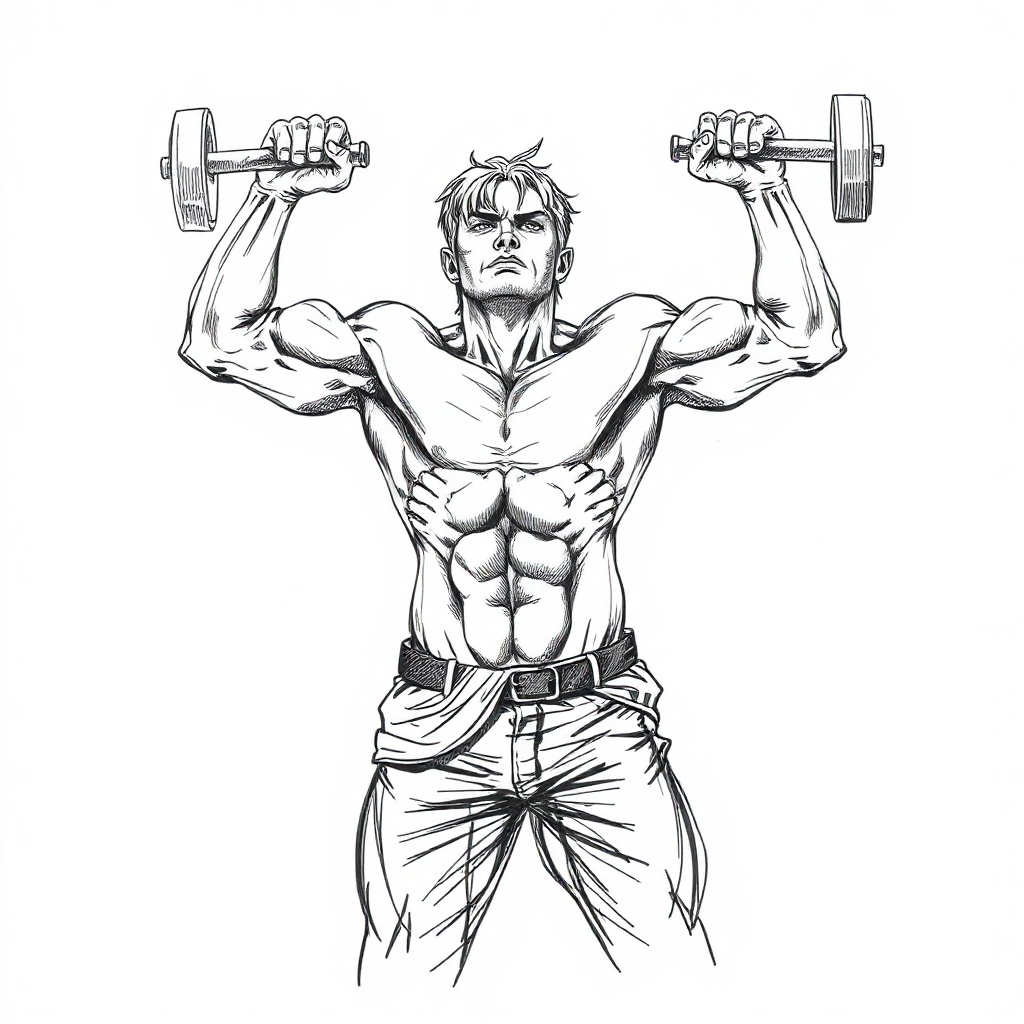
Structure your training around a simple hierarchy
– Prioritize strength and technique first. Heavy barbell work, gymnastics progressions, and mobility drills form the foundation. Improving movement competency pays compounding dividends in performance and longevity.
– Follow with metabolic conditioning (the classic WODs). Use metcons for work capacity, mental grit, and variety, but avoid letting them constantly undermine strength progress.
– Supplement with accessory work and mobility/prehab to address individual weaknesses—shoulders, hips, and wrists frequently need targeted attention for CrossFitters.
Practical programming tips
– Use cycles: Build toward a targeted strength or skill focus for several weeks, then shift emphasis to conditioning or skill consolidation. This prevents stagnation and reduces overreaching.
– Mix intensity models: Combine AMRAPs, EMOMs, and for-time pieces with steady-state aerobic sessions to develop both high-intensity capacity and aerobic base.
– Scale intelligently: Scaling means adapting load, reps, or movement to maintain intended stimulus while preserving form.
Examples: substitute single-unders for double-unders during skill acquisition, reduce load on complex Olympic lifts, or break rep schemes into manageable sets with short rests.
Technique and skill development
– Invest time in slow, deliberate practice of technical movements—snatches, clean and jerks, muscle-ups, and handstand walking.
Skill progress is best achieved with low fatigue and focused coaching.
– Use video feedback to spot technical flaws and track improvements. Small adjustments each session compound quickly.
Recovery and injury prevention
– Prioritize sleep, consistent protein intake, and daily mobility. Recovery allows adaptation to the training stimulus; neglecting it accelerates injury risk.
– Warm up to the session’s demands: general aerobic activation, then movement-specific drills and ramp sets for strength lifts. Finish sessions with targeted mobility or soft-tissue work.
– Listen to pain signals.
Distinguish between normal training soreness and sharp, persistent pain that impairs movement—seek professional assessment for the latter.
Nutrition for performance
– Fuel training with a balance of carbohydrates for high-intensity sessions and protein for muscle repair. Hydration and electrolyte balance are often overlooked but critical for performance and recovery.
– Time protein intake around workouts when possible and prioritize whole-food sources; supplements can be helpful but aren’t a substitute for consistent daily nutrition.
Tracking progress
– Keep a training log that records loads, times, RPE, and subjective recovery. Tracking enables smarter adjustments and helps you spot trends before performance drops.
– Periodic testing—repeat classic benchmark WODs and strength tests—provides objective feedback, but avoid overtesting to the point that it disrupts training rhythm.
Leverage community and coaching
– Community is one of CrossFit’s greatest assets: training partners motivate consistency and provide camaraderie. Pair that with quality coaching that emphasizes technique and individualized scaling for safer, faster progress.
Small changes, big results
Consistency plus thoughtful programming and recovery produces the best long-term results. Focus on movement quality, gradually increase intensity, and treat mobility and recovery as integral parts of training. Over time, this approach builds durable fitness that carries beyond the gym—making you stronger, more resilient, and better prepared for whatever the next workout throws at you.