A sustainable home yoga practice makes yoga accessible, consistent, and tailored to real life — especially for people juggling work, family, and limited time. With the rise of hybrid classes and a growing focus on breathwork and mobility, building a routine that fits into a busy schedule is more achievable than ever.
Why a home practice matters
A home practice removes barriers like commute time, class schedules, and crowded studios. It encourages consistency by making short sessions easy to repeat. Even five to twenty minutes of focused practice can reduce stress, improve posture, and increase mobility when done regularly.
Core elements of a sustainable routine
– Breath first: Start each session with 2–5 minutes of simple breath awareness. Diaphragmatic breathing or a basic four-count inhale, four-count exhale pattern stabilizes the nervous system and improves focus.
– Movement next: Combine gentle mobility and strengthening moves — cat-cow, sun salutations or a short flow — to warm tissues and build resilience.
– End with calming practice: Close with forward folds, gentle twists, or a brief restorative pose supported by props to promote relaxation.
A sample quick sequence (10 minutes)
1. Seated breath work — 2 minutes
2. Cat-cow + spinal circles — 1 minute
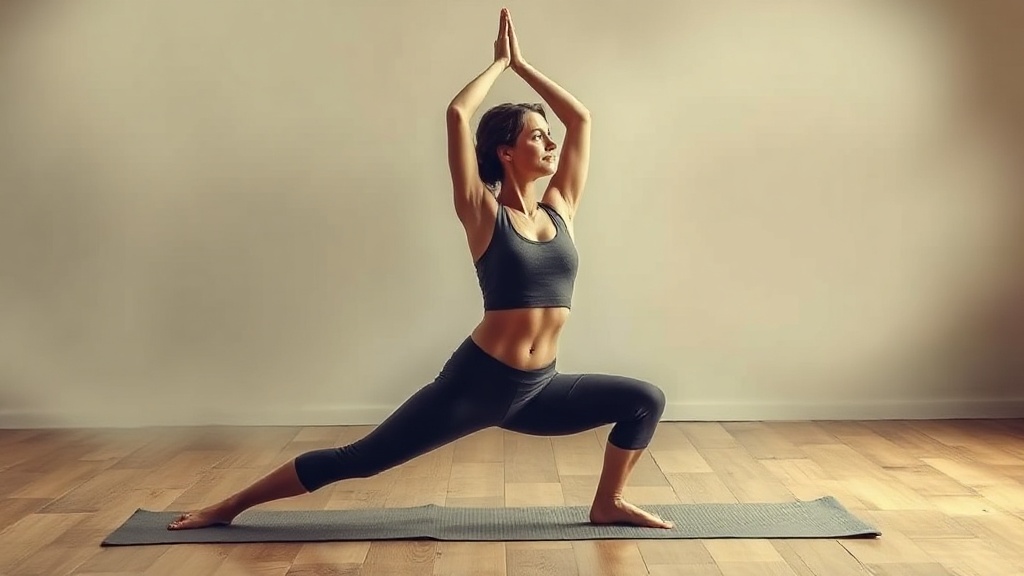
3. Low lunge with hip opener each side — 2 minutes
4. Downward dog to plank flow — 2 minutes
5. Supported forward fold or child’s pose — 3 minutes
Setting up your space
Create a small, consistent corner for practice. A mat, one or two cushions, a strap or belt, and a block or sturdy book are often enough.
Good lighting and minimal distractions make the space inviting. Store props nearby to reduce friction when motivation is low.
Progression without pressure
Track small wins: more comfortable forward folds, steadier balance, or a quieter mind.
Gradually increase session length or add challenging poses only when foundational strength and mobility feel reliable.
Combining shorter daily sessions with a longer weekend practice keeps momentum without risking burnout.
Avoiding common mistakes
– Skipping breath work: Movement without breath control reduces benefits and increases tension.
– Comparing to others: Home practice should be about personal progress, not replication of studio classes or social media shapes.
– Overdoing advanced poses: Attempting advanced postures before building strength and alignment invites injury. Use props and modifications liberally.
Using online classes effectively
Use guided classes for structure, but choose teachers who emphasize alignment and accessible options.
Mix recorded classes for convenience with occasional live sessions for feedback and motivation.
Bookmark a few favorite short classes for when time is tight.
Recovery and restorative practice
Incorporate restorative sessions and at least one day with gentle movement or rest. Restorative poses with blankets and bolsters activate the parasympathetic nervous system, aiding sleep and recovery after intense days.
Measuring benefits
Regular practice supports reduced stress, improved mobility, better posture for desk workers, and more resilience to daily challenges. Benefits compound over weeks when practice is consistent and focused on breath, alignment, and mindful movement.
Final thought
A sustainable home yoga practice is about creating small, repeatable habits that prioritize breath, mobility, and recovery.
With a consistent corner, a simple routine, and realistic progression, yoga becomes a reliable tool for physical health and mental clarity in any busy lifestyle.