Pilates is a low-impact movement practice that builds strength, flexibility, balance, and body awareness. Originally developed to rehabilitate and condition the body, it has evolved into a mainstream fitness option embraced by athletes, dancers, office workers, and anyone seeking efficient, sustainable movement. The practice emphasizes precise control, breath, and alignment — making it both a physical workout and a mindful movement system.
Why Pilates works
Pilates targets the deep stabilizing muscles around the spine and pelvis, often referred to as the “core.” Strengthening this support system improves posture, reduces back pain, and enhances movement efficiency. Unlike high-repetition workouts, Pilates prioritizes quality over quantity: controlled repetitions, intentional breathing, and proper alignment produce meaningful progress while minimizing injury risk.
Mat versus equipment-based Pilates
Mat Pilates uses bodyweight and small props like bands, foam rollers, or magic circles.
It’s accessible, affordable, and great for building foundational control. Equipment-based Pilates — using reformers, towers, chairs, and barrels — adds resistance, variety, and precise load management. Reformers are especially popular for progressive strength work and rehabilitation, since springs allow smooth resistance that can be scaled to ability.
Key principles to focus on
– Breath: Coordinate inhalation and exhalation with movement to enhance stability and oxygenation.
– Centering: Initiate movement from the core rather than relying on limbs or momentum.
– Precision: Pay attention to alignment and controlled range of motion to gain maximum benefit.
– Flow: Connect movements so sessions feel purposeful and integrated.
– Control: Avoid rushing; control is more important than completing a long sequence poorly.
Who benefits most
Pilates is versatile. It supports recovery from injury, complements sports training, and helps manage chronic issues like lower back pain. It’s also excellent for desk-bound people who need posture correction and mobility work. Pregnant and postpartum individuals often find modified Pilates beneficial for maintaining strength and supporting pelvic floor health, provided classes are taught by qualified instructors who understand prenatal adaptation.
Choosing a class and instructor
Look for instructors with recognized certifications and experience working with your population — whether seniors, athletes, or pregnant clients. If you’re new, start with beginner or foundation-level classes that focus on breath, pelvic alignment, and basic control. Small group reformer sessions or private lessons can accelerate learning and ensure exercises are performed safely.
Practical tips for progress
– Practice consistently: aim for two to three sessions per week to build strength and retain motor patterns.
– Prioritize form: fewer well-executed reps outperform many sloppy ones.
– Communicate: tell instructors about injuries, recent surgeries, or pregnancy to get appropriate modifications.
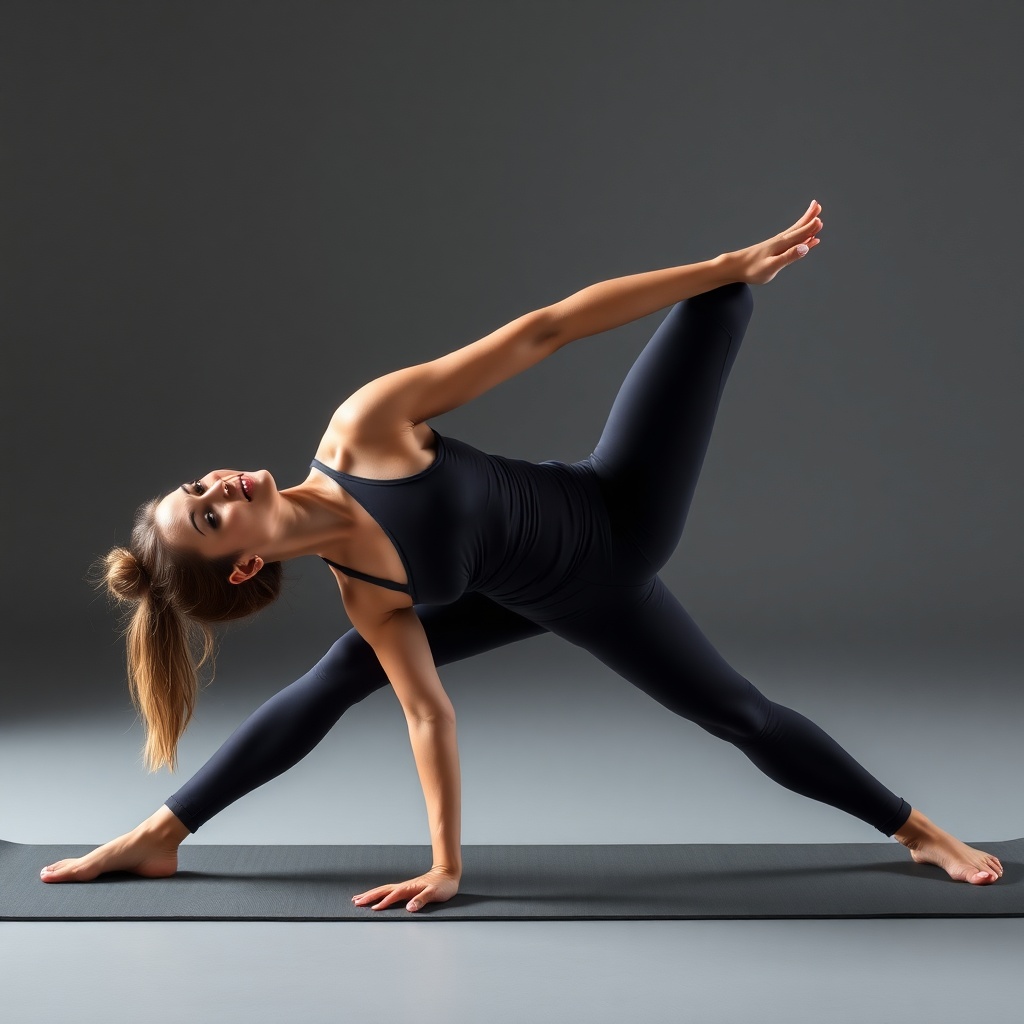
– Combine with other modalities: add aerobic activity and targeted strength training for a balanced fitness plan.
– Use technology judiciously: wearable trackers and on-demand classes can support consistency, but in-person feedback is invaluable for aligning technique.
Common misconceptions
Pilates is not only for women or elite athletes; it benefits people across ages and fitness levels.
It’s not just stretching — it’s a disciplined strength system. And while it improves appearance through muscle tone, its greatest payoff is functional: better posture, reduced pain, and more efficient movement.
Whether you’re recovering from a niggle, refining athletic performance, or seeking a mindful fitness practice, Pilates offers a sustainable path to stronger, more resilient movement. Try a foundation class, focus on core principles, and let consistent, mindful practice yield lasting results.