Why Pilates is Still One of the Best Low-Impact Workouts for Strength, Mobility, and Stress Relief
Pilates has evolved from a niche studio practice into a versatile, widely accessible fitness method that suits a broad range of goals: improving posture, building core strength, rehabbing injuries, and supporting athletic performance.
Designed as a mindful, controlled approach to movement, Pilates emphasizes alignment, breath, and precision — qualities that make it ideal for people seeking a low-impact yet effective routine.
Core benefits that matter
– Improved core strength and stability: Pilates trains the deep abdominal and back muscles that support your spine, reducing the risk of chronic low-back discomfort and improving balance.
– Better posture and alignment: Regular practice helps correct habitual imbalances from desk work and repetitive activities by building awareness and muscular endurance.
– Increased flexibility and joint mobility: Pilates blends strengthening with lengthening, promoting fluid movement without stretching that sacrifices stability.
– Low-impact conditioning: It protects joints while producing meaningful strength and cardiovascular gains when combined with circuit-style or reformer work.
– Mind–body connection and stress relief: Focused breathing and controlled movement support relaxation and better movement quality throughout daily life.
Types of Pilates and how to choose
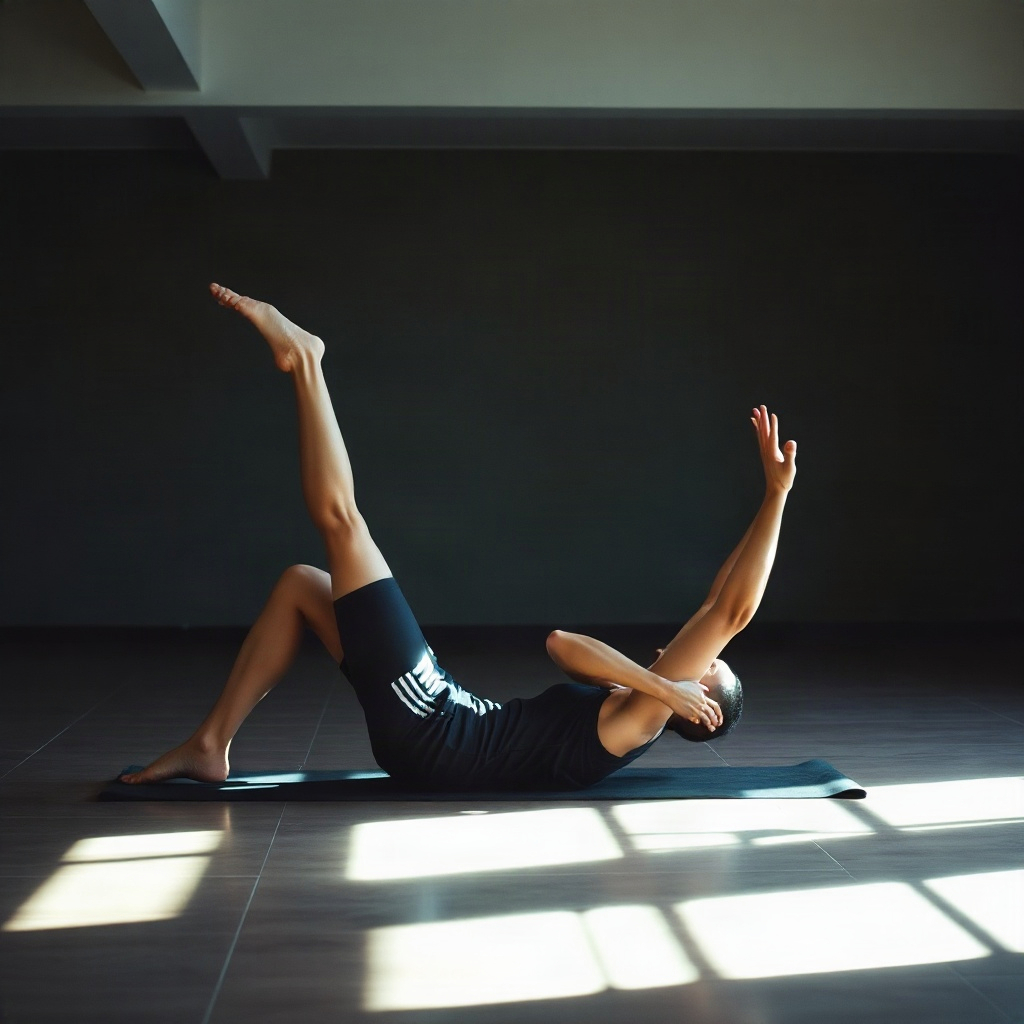
– Mat Pilates: Uses bodyweight and small props like a magic circle or resistance band. It’s accessible and great for building foundational control.
– Reformer Pilates: Uses a spring-loaded carriage to provide adjustable resistance and support, allowing for progressive loading and a broader exercise repertoire.
– Equipment-based classes (Cadillac, Wunda Chair, barrel): Offer targeted challenges for stability, mobility, and strength.
– Hybrid and online formats: Many studios offer blended schedules or live-stream options that combine instruction with on-demand programming — useful for maintaining consistency.
What to expect in a class
Beginners can expect emphasis on breathing patterns, pelvic neutrality, scapular stability, and foundational movements like the roll-up, pelvic curl, and plank variations. Instructors typically cue alignment and breath repeatedly, scaling exercises up or down based on ability. A good class balances challenge and safety — you should feel worked but not strained.
Practical tips for beginners
– Focus on quality over quantity: Small, precise movements produce bigger results than fast or large uncontrolled motions.
– Learn breathing technique: Lateral or ribcage breathing supports spinal stability and improves performance.
– Attend a fundamentals or beginner session: Proper form is crucial to avoid compensations that reduce benefit or cause discomfort.
– Use modifications: Props and springs are tools to make movements accessible and progressive.
– Frequency: Aim for two to four sessions per week to build consistency without overloading the nervous system.
Common mistakes to avoid
– Overarching the lower back instead of finding neutral alignment
– Holding breath during exertion
– Using momentum rather than controlled muscle engagement
– Progressing load too quickly on the reformer or equipment
How Pilates complements other training
Pilates pairs well with running, cycling, strength training, and yoga by addressing mobility and deep core stability. Athletes often use it to reduce injury risk and improve movement efficiency.
Safety and when to consult a professional
If you have a recent injury, fracture, or specific medical conditions, consult a healthcare professional before starting. Choose certified instructors who can adapt programming for pregnancy, rehabilitation, or chronic issues.
Pilates remains a practical, adaptable method for anyone seeking sustainable strength, improved movement quality, and a calmer relationship with exercise. Whether you prefer mat classes, a reformer session, or guided online programming, consistent practice delivers durable benefits you can carry into daily life.