Creating a Sustainable Home Yoga Practice
More people are choosing to practice yoga at home because it’s flexible, affordable, and easy to fit into a busy day. A sustainable home practice doesn’t require fancy equipment or long sessions — it’s built around consistency, simple structure, and mindful progression. Here’s how to design a home yoga routine that supports mobility, stress relief, and long-term growth.
Designing your space
Choose a quiet corner with enough room to move freely. Natural light helps, but it’s not essential. Keep a mat, a blanket, and one or two props (blocks or a strap) close by. Declutter the area so the space itself becomes a cue to practice.
If true quiet isn’t possible, use a short playlist or white-noise app to establish focus.
Set realistic goals
Start small and specific. Commit to 10–20 minutes most days rather than trying to do long sessions sporadically. Short, regular practices build habit and produce more consistent benefits than occasional lengthy classes. Track time rather than perfection: consistency beats intensity for long-term progress.
Core structure for a dependable session
A simple structure keeps each practice efficient and balanced.
Aim for:
– Centering and breath (2–3 minutes): Sit or lie down and follow slow, even inhales and exhales to anchor attention.
– Warm-up (3–5 minutes): Gentle spinal movements, cat–cow, and hip circles prepare joints and muscles.
– Strength and flow (6–10 minutes): A few rounds of sun salutations or a short sequence of standing poses build heat, strength, and stability.
– Mobility and balance (3–5 minutes): Lunges, hamstring variations, and single-leg balance poses address common tight areas.
– Cool-down and restorative (3–5 minutes): Forward folds, gentle twists, and a short Savasana or supported relaxation complete the practice.
A quick 20-minute sequence to try
1. Seated breathwork — 2 minutes of slow nasal breathing.
2.
Cat–cow with wrist circles — 2 minutes.
3. Three rounds of sun salutations (or modified flow) — 6 minutes.
4. Low lunge with quad stretch — 2 minutes each side.
5. Standing balance (tree or warrior III) — 1 minute each side.
6.
Supine twist and supported Savasana — 4 minutes.
Use props for better alignment
Blocks, straps, and blankets help maintain alignment and make poses accessible.
Blocks bring the floor closer for standing poses; a strap assists with hamstring work; a blanket supports hips in seated poses and adds comfort during relaxation.
Avoid common pitfalls
– Skipping warm-up: This increases injury risk and reduces mobility.
– Expecting immediate flexibility gains: Progress is gradual.
Prioritize joint health and strength.
– Overdoing difficult poses: Focus on form and breath rather than achieving advanced shapes.
Progress and variation
Rotate focus areas across the week: one day for strength, one for mobility, and one for restorative practice. Occasional guided classes — online or in-studio — provide technical feedback and fresh inspiration.
Why this works
Short, consistent sessions build habit and resilience. Breath-focused practice reduces stress, while balanced movement improves posture, mobility, and mental clarity.
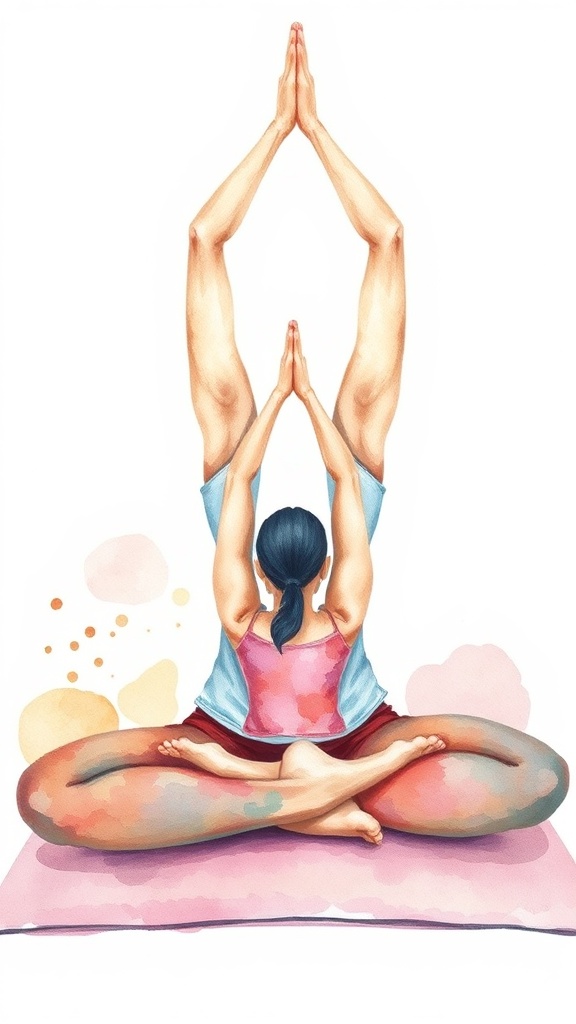
With modest equipment and a clear structure, a home practice becomes a sustainable part of daily life.
Try setting a small, achievable goal this week: three sessions of 15 minutes. Adjust as needed, celebrate consistency, and let the practice evolve naturally to fit changing needs and interests.