Cardiovascular health is the foundation of long-term well-being. Keeping your heart and blood vessels strong reduces the risk of heart attack, stroke, and many chronic conditions.
A mix of smart lifestyle choices, regular monitoring, and timely medical care offers the most effective protection.
Start with the basics: diet and exercise.
Dietary patterns that emphasize whole foods—vegetables, fruits, whole grains, legumes, nuts, and fatty fish—support healthy cholesterol and blood pressure. The Mediterranean and DASH-style approaches are practical templates: prioritize plant-based foods, healthy fats like olive oil, and lean proteins while minimizing processed foods, added sugars, and excessive sodium. Aim for regular physical activity that includes aerobic movement most days and muscle-strengthening exercises at least twice weekly.
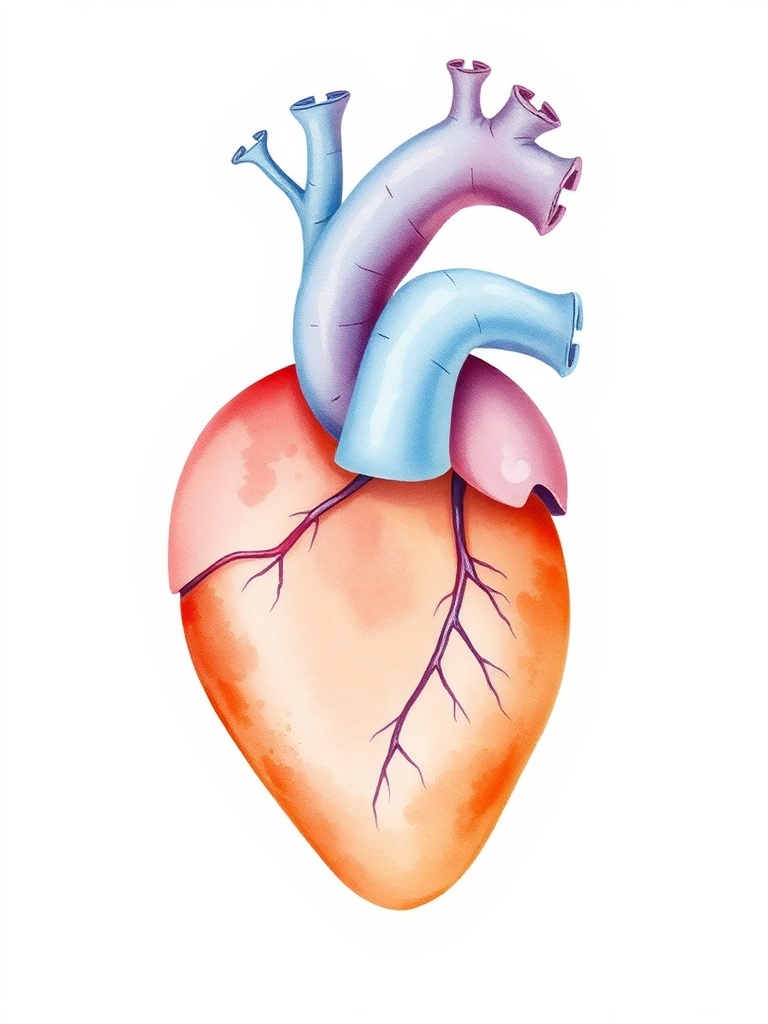
Meeting general activity targets is linked to better blood pressure, improved weight control, and stronger cardiovascular fitness.
Know your numbers.
Regular checks for blood pressure, fasting lipids (cholesterol), blood glucose, and weight provide actionable signals.
Home blood-pressure monitors and wearable devices make tracking easier; share readings with your clinician so trends guide care decisions.
If medication is prescribed—such as blood-pressure medicines or cholesterol-lowering drugs—consistent adherence and open conversations about side effects and goals are crucial.
Manage stress, sleep, and mood. Chronic stress and poor sleep both increase cardiovascular strain. Evidence shows that consistent sleep, stress-reduction practices like mindfulness or breathwork, and addressing anxiety or depression can all support heart health.
Small daily routines—short walks, digital breaks, and a regular sleep schedule—add up.
Avoid tobacco and limit alcohol. Smoking remains a powerful driver of cardiovascular disease; quitting lowers risk quickly. If you drink alcohol, moderate intake—under clinician guidance—is safer than heavy or binge patterns.
Pay attention to emerging risk factors. Chronic inflammation, certain sleep disorders, social isolation, and even air pollution contribute to cardiovascular risk. Discuss your full health picture with your healthcare provider, including family history and lifestyle context, so prevention strategies are personalized.
Recognize warning signs and act fast.
Symptoms of heart attack or stroke can include chest discomfort, sudden shortness of breath, sudden weakness or numbness on one side, sudden trouble speaking, or abrupt vision changes. Prompt emergency care saves lives and limits long-term damage.
Practical steps to take this week:
– Add one extra serving of vegetables to a meal each day and swap one refined-carb item for a whole grain.
– Walk briskly for 20–30 minutes most days; try brief strength sessions at home twice a week.
– Check or schedule a blood-pressure reading and note trends for your next clinician visit.
– If you smoke, seek support—counseling, nicotine replacement, or prescription aids can boost success.
– Prioritize sleep by setting a consistent bedtime and reducing screens an hour before bed.
Prevention is a combination of habits and medical partnership.
Small, sustained changes often produce the biggest cardiovascular benefits over time.
If you have questions about risk, testing, or medications, schedule a conversation with your healthcare provider to build a plan tailored to you.