Yoga for busy lives: practical, evidence-backed ways to feel better fast
Yoga has moved beyond mat-only studios to become a practical tool for improving mobility, reducing stress, and boosting focus. Whether you’re a desk worker, athlete, or parent juggling schedules, a short, well-structured yoga practice can deliver measurable benefits without requiring hours each day.
Why yoga matters now
Recent research supports yoga’s role in lowering stress hormones, improving sleep quality, enhancing balance, and increasing joint mobility. Breath-focused practices calm the nervous system, while strength and stability work helps prevent common aches—especially in the neck, shoulders, hips, and lower back. Because yoga blends movement and breath, it addresses both physical and mental health in one efficient practice.
Designing an efficient practice
Aim for consistency over duration.
Even 10–20 minutes most days produces meaningful changes. Choose a format that fits your life:
– Micro-practice: 5–10 minutes of breathwork and a few gentle stretches during breaks.
– Short flow: 15–25 minutes combining mobility, standing postures, and a calming finish.
– Restorative session: 20–45 minutes with props for deep release when you need recovery.
Core sequence for desk-bound bodies (10–12 minutes)
1. Seated breath (1–2 minutes): Sit tall or use a chair. Inhale through the nose for a steady count, exhale fully. Focus on long exhales to engage relaxation.
2. Neck and shoulder mobility (1–2 minutes): Slow neck rolls, ear-to-shoulder stretches, and shoulder rolls to reset tension.
3.
Cat–Cow (1 minute): On hands and knees or sitting forward in a chair, move spinal flexion and extension to lubricate discs and wake the back.
4. Thread-the-Needle / Seated twist (1–2 minutes each side): Open the upper back and release shoulders.
5. Low lunge with hip opener (1 minute per side): Step one foot forward, sink hips gently to counter prolonged sitting.
6. Downward-facing dog or forward fold (1–2 minutes): Hamstring stretch, lengthen the spine, invert slightly to encourage circulation.
7.
Child’s Pose or Legs-up-the-wall (2 minutes): Calming finish with focus on breath.
Modifications and props
Blocks and straps extend reach and reduce strain; a blanket under the knees or hips adds cushioning. Chair yoga offers excellent options when standing isn’t possible—seated twists, lifted leg work, wrist stretches, and gentle backbends are all accessible from a chair.
Breathwork and mental resilience
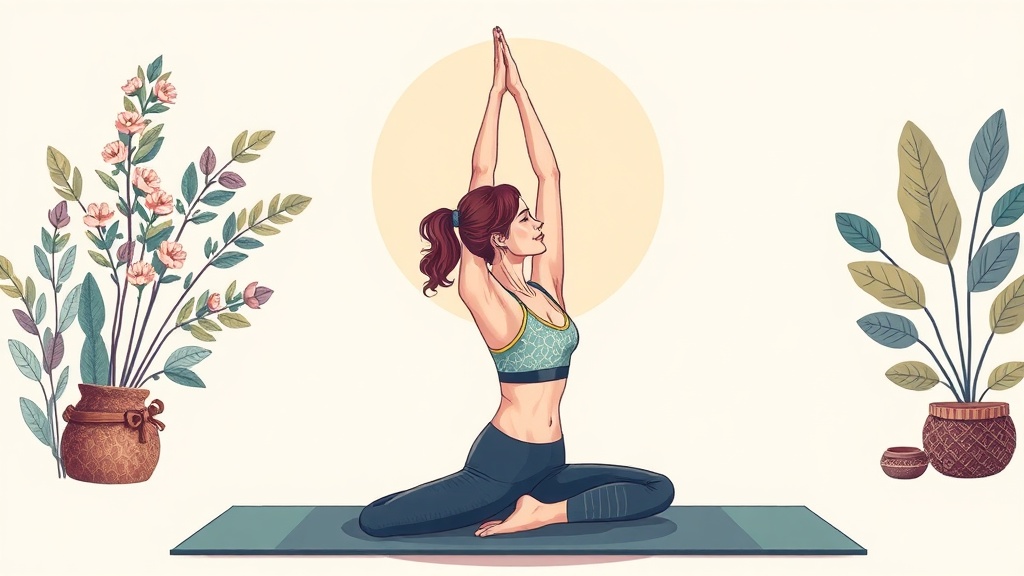
Simple breath tools—box breathing, diaphragmatic breathing, or alternate nostril breathing—support focus and reduce reactivity. Use breath cues to link movement and calm the nervous system: longer exhales help shift from sympathetic to parasympathetic tone.
Integrating yoga into daily routines
– Start your day with 5–10 minutes to set the tone.
– Use midday micro-sessions to interrupt long sitting blocks.
– Reserve longer, restorative practices for evenings or recovery days.
– Combine on-demand video classes with occasional live instruction for feedback on alignment and progression.
Common mistakes to avoid
– Overemphasizing intensity at the expense of breath and alignment.
– Comparing your practice to others; progress is individual.
– Skipping warm-ups; mobility before strength reduces injury risk.
Yoga adapts to how you live—short sessions, gentle stretches, or dynamic flows all deliver value. Begin with realistic goals, prioritize breath, and let consistency build strength, flexibility, and calm that carry off the mat.