Build a Sustainable Yoga Practice: Practical Steps for Better Flexibility, Strength, and Calm
Yoga is more than a workout—it’s a reliable system for improving mobility, managing stress, and building steady mental focus.
Whether you’re new to the mat or returning after a break, creating a sustainable practice that fits your schedule and goals is the best way to see lasting benefits.
Start with clear intentions
Decide why you want to practice: reduce back pain, sleep better, increase strength, or cultivate calm. A clear intention makes it easier to choose poses, length, and frequency that match your priorities. Keep expectations realistic—small, consistent sessions beat occasional marathon classes.
Design a simple, repeatable routine
Consistency matters more than duration. A short daily habit builds momentum faster than infrequent long sessions. Aim for three approachable anchors:
– Morning mobility (5–10 minutes): gentle stretches to wake the body.
– Midday reset (10–20 minutes): energizing flow to break up sitting time.
– Evening wind-down (10–20 minutes): restorative poses and breathwork to ease into sleep.
Sample 20-minute sequence for a balanced session
1. Centering and breath (2 minutes): sit comfortably, breathe slowly with equal inhales and exhales.
2. Cat-Cow and gentle twists (3 minutes): warm the spine and release tension.
3. Sun salutations or dynamic flow (6 minutes): build heat and strength with low-impact movement.
4. Standing sequence (5 minutes): include Warrior II, Triangle, and Chair to challenge balance and legs.
5.
Cool down and restorative holds (3 minutes): forward folds, supine twists, and Savasana.
Use breath as your anchor
Breath controls intensity and mental state. Practice slow diaphragmatic breathing for calm and longer exhalations to reduce stress.
For movement, coordinate inhales with opening actions and exhales with folding or contracting actions to create fluid, mindful motion.
Modify and progress safely
Listen to your body and prioritize form over depth. Use blocks, straps, or a chair to make poses accessible. Track three measurable progress points—hold time in a balance, number of weekly sessions, or ease of a specific pose—and increase gradually. If pain (sharp, stabbing, or radiating) occurs, stop and consult a professional.
Mix styles to meet goals
Vinyasa or flow classes build cardiovascular fitness and strength.
Hatha and alignment-focused classes develop technique and flexibility. Restorative and yin practices improve relaxation and joint mobility. Combining styles through the week creates a well-rounded practice without overtaxing any one system.
Stay motivated and avoid burnout
Set a consistent schedule and pair practice with another habit—morning coffee, a post-work walk, or an evening journaling ritual. Join a community class periodically for accountability, but keep most sessions self-directed to fit daily life.
Celebrate small wins: deeper breathing, improved posture, or less morning stiffness.
Practical tips for home practice
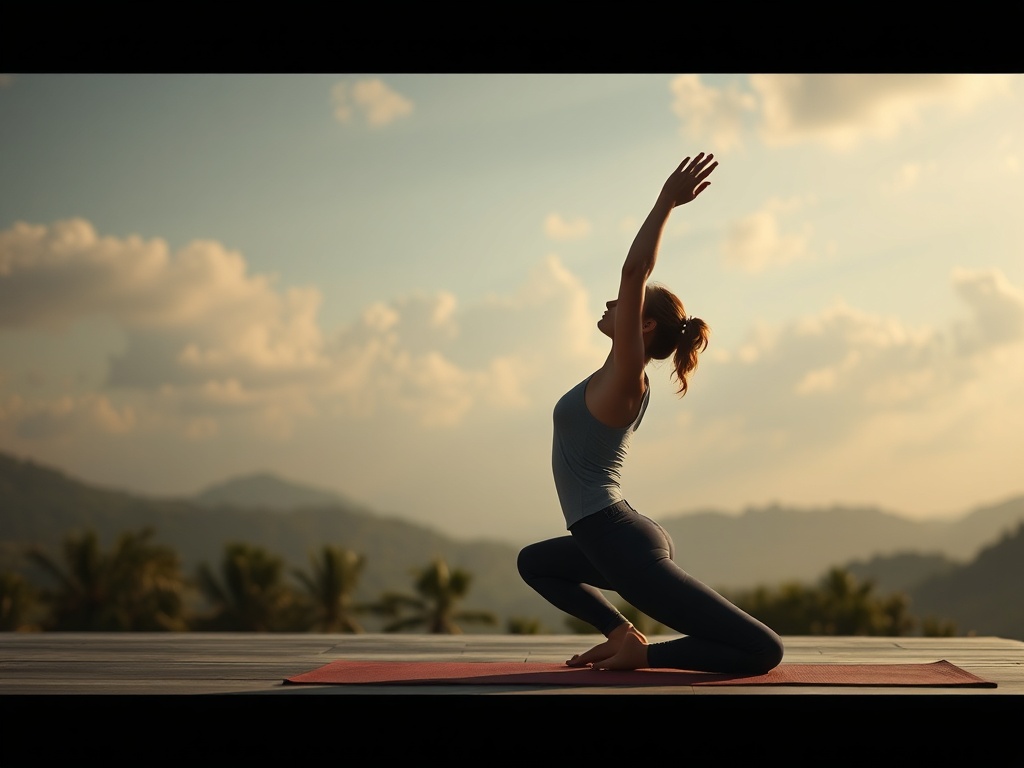
– Create a dedicated space with good lighting, a non-slip mat, and easy access to props.
– Keep sessions varied but predictable: mix core elements with new poses to maintain interest.
– Record short notes after practice: what felt good, what was challenging, and one goal for the next session.
By shaping a consistent, adaptable routine that aligns with your intentions, yoga becomes a sustainable tool for physical resilience and mental clarity. Start small, stay curious, and let steady practice produce meaningful results.