Why yoga still matters: practical guidance for modern practice
Yoga has moved well beyond a set of poses; it’s a flexible tool for improving movement, managing stress, and supporting mental clarity. Whether practicing on a mat at home, in a studio, or via a streaming class, the most effective approach balances movement, breath, and rest. Here’s how to get the most from a sustainable, safe yoga practice.
Key benefits people notice
– Stress and anxiety reduction through coordinated movement and breath regulation.
– Improved mobility, balance, and joint health from consistent, mindful practice.
– Better posture and core strength from alignment-focused sequences.
– Nervous system regulation via breathwork and restorative practices that encourage recovery.
Styles and what they deliver
– Hatha: steady, alignment-based practice ideal for beginners and technique work.
– Vinyasa: flowing sequences that build strength and cardiovascular conditioning.
– Yin and Restorative: slow, long-held poses for connective tissue health and deep relaxation.
– Iyengar: precise alignment using props for accessibility and therapeutic benefit.
– Chair and gentle yoga: practical options for limited mobility, seniors, or desk-bound workers.
Breathwork and mindfulness
Pranayama and simple breath techniques are high-impact tools. Practices like equal-count breathing, diaphragmatic inhale-exhale, and slow exhales help regulate heart rate and stress hormones. Pair breath with movement to enhance focus and reduce the tendency to push through discomfort. Mindful awareness—checking in with sensations and emotions—turns a physical session into a holistic reset.
Making yoga accessible and safe
Props (blocks, straps, blankets, bolsters) are not for beginners only; they make poses safer and more effective for all bodies. Teachers trained in trauma-informed approaches use invitational language, offer choices, and prioritize consent and bodily autonomy—important considerations for anyone returning to movement after injury or emotional stress.
If there are chronic conditions, recent injuries, pregnancy, or significant health concerns, consult a healthcare provider before starting a new practice. Pain is a signal—move within a comfortable range and choose modifications rather than forcing alignment.
Choosing the right class or teacher
Look for instructors who: offer clear cues, provide modifications, and explain the why behind adjustments. Small class sizes or private lessons help customize sequences to individual needs.
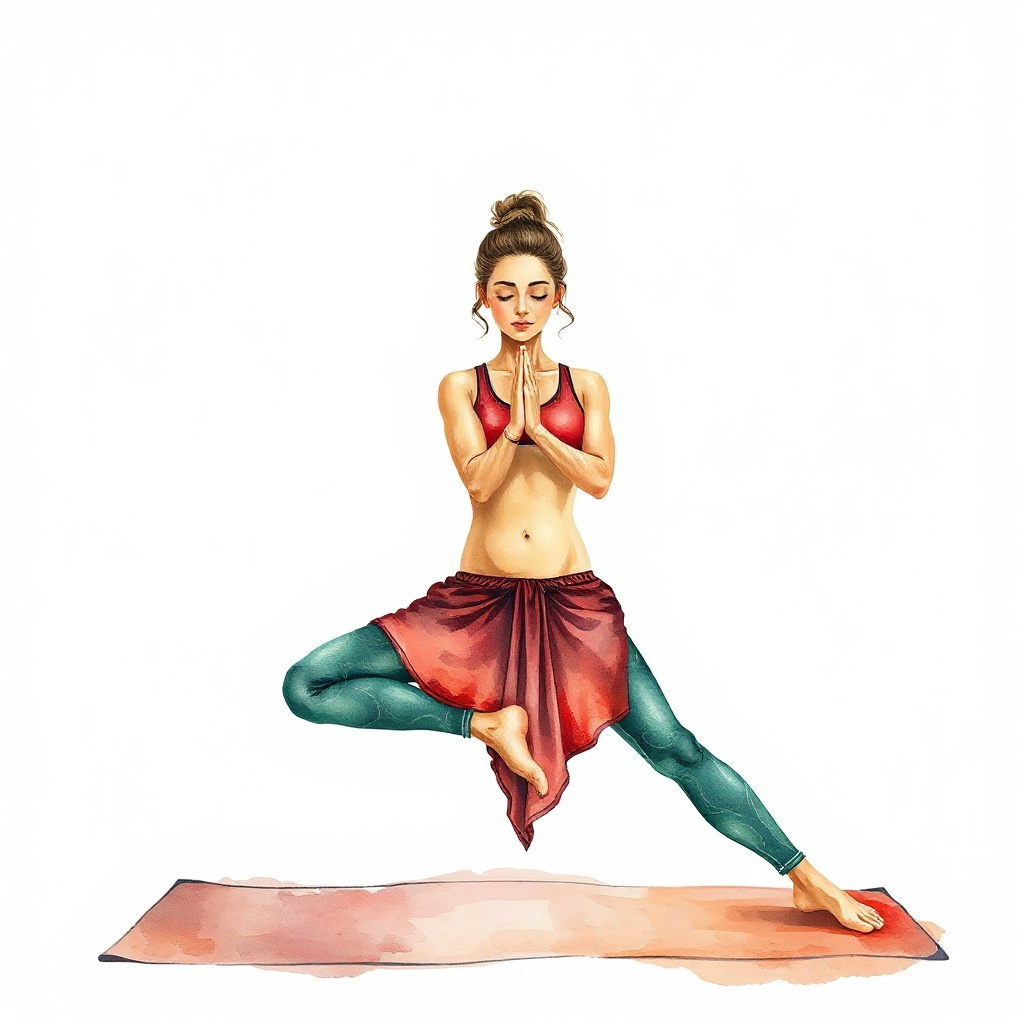
For online classes, check whether the teacher offers cueing that works at a distance (verbal clarity, visual demonstrations, options for different levels).
Technology can support, not replace, practice
Wearables and breathing apps can track heart-rate variability, breathing patterns, and sleep—useful metrics for measuring stress and recovery. Streaming platforms increase access to high-quality classes, but prioritize teachers who emphasize safety and provide progressions rather than a one-size-fits-all approach.
Simple routine for consistent benefits
– Start with a short warm-up (5–10 minutes) focused on joint mobility.
– Add 15–30 minutes of movement tailored to goals—strength, flexibility, or flow.
– Finish with 5–15 minutes of restorative poses and a final relaxation to integrate the practice.
– Aim for consistency: short daily sessions often beat infrequent long practices.
Practical mindset for growth
Approach practice as experimentation rather than performance. Focus on sensations, breath, and small improvements over time. With consistent attention to alignment, breath, and rest, yoga becomes a tool for resilience—physically and mentally—rather than just an exercise routine.