Mindful Movement: How Yoga Fits into a Modern Lifestyle
Yoga has moved beyond the mat to become a practical tool for managing stress, improving mobility, and maintaining mental clarity in busy lives. Whether you’re short on time or looking for a deeper practice, integrating a few consistent habits delivers big returns for body and mind.
Why yoga matters now
Yoga combines breath, movement, and attention in ways that reduce physical tension and calm the nervous system. People report better posture, fewer aches from extended sitting, improved balance, and a greater ability to focus during work or parenting. Scientific studies continue to show benefits for mood regulation, chronic pain management, and sleep quality, making yoga a smart complement to conventional fitness and wellness routines.
Quick, effective practices
Not every session needs to be long. Short, intentional practices work well for sustaining progress and lowering daily stress.
– Morning mobility (5–10 minutes): Cat-Cow, gentle spinal twists, and a few Sun Salutations or standing side stretches wake up the spine and hips.
– Midday reset (3–7 minutes): Seated stretches, neck rolls, and forward folds relieve desk-related tension. Add diaphragmatic breathing to reset the nervous system.
– Evening wind-down (10–20 minutes): Restorative poses like Supported Child’s Pose, Legs-Up-the-Wall, and a guided relaxation support sleep and recovery.
Breath is the backbone
Breathwork (pranayama) amplifies the physical benefits of poses.
Diaphragmatic breathing—slow, deep inhales through the nose filling the belly, followed by controlled exhales—reduces sympathetic arousal and invites a calmer state. For variety, alternate-nostril breathing (nadi shodhana) balances the left and right sides of the nervous system and can be done seated for five minutes before sleep or stressful events.
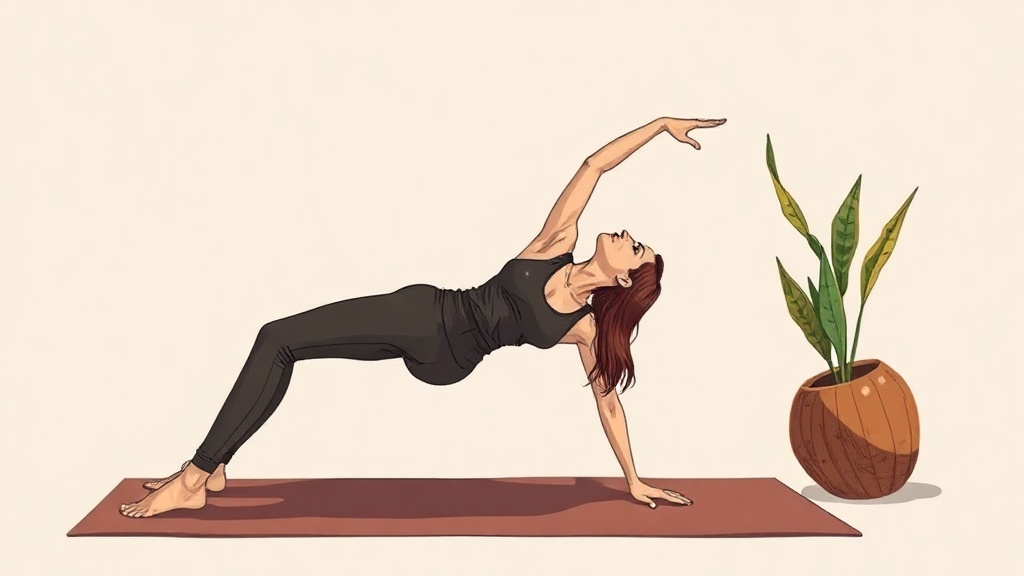
Designing a balanced session
A well-rounded yoga practice touches four elements: mobility, strength, balance, and relaxation.
– Mobility: Sun Salutations, lunges, hip circles.
– Strength: Chair pose, plank variations, Warrior II flows.
– Balance: Tree pose, Eagle pose, single-leg deadlifts with soft focus.
– Relaxation: Forward folds, Supine Twists, and Savasana or guided relaxation.
Modifications and safety
Yoga is adaptable for all fitness levels. Use blocks, straps, bolsters, or a chair to reduce strain. Key safety notes:
– If you have high blood pressure, avoid prolonged inversions and consult a clinician for personalized guidance.
– Pregnant practitioners should modify deep twists and avoid compressing the abdomen; seek classes tailored to prenatal needs.
– For chronic pain or injury, prioritize gentle, therapeutic sequences and work with a qualified instructor or physical therapist.
Consistency beats intensity
Short daily sessions build better habits than occasional long practices. Aim for a realistic rhythm—five to six short sessions per week often produces noticeable benefits faster than sporadic hour-long classes.
Track small wins like improved sleep, reduced neck stiffness, or greater ease rising from a chair.
Bringing mindfulness into everyday life
Yoga’s benefits extend beyond formal practice. Micro-mindfulness—pausing between meetings to breathe, doing a few hip-opening movements after long drives, or practicing mindful walking—translates the calm and awareness cultivated on the mat into daily choices.
Try a simple challenge
Start with a 10-minute morning routine for two weeks: diaphragmatic breathing (2 minutes), Sun Salutations or modified flow (5 minutes), and a seated relaxation (3 minutes). Notice posture, breath, and energy changes to stay motivated.
Yoga adapts to the life you lead. With intentional practice and small, consistent steps, it becomes an accessible path to more mobility, less stress, and clearer focus.