Why practice yoga daily: benefits that stick
Yoga offers more than flexible hamstrings and a calm mind. Regular practice improves mobility, strengthens stabilizing muscles, reduces stress, and sharpens attention — all of which support better posture, sleep, and resilience to daily demands. People show meaningful gains whether they practice on a mat for 10 minutes or take longer classes; consistency matters more than duration.
A simple 10-minute sequence for busy days
This short flow is designed to wake the body, regulate the nervous system, and fit into a tight schedule. Move slowly, coordinate breath with motion, and skip any posture that causes sharp pain.
– Begin seated or standing: 5 deep belly breaths to settle the mind.
– Cat-Cow (5 rounds): On hands and knees, inhale to arch the back, exhale to round. Mobilizes the spine.
– Downward Dog to Low Lunge (3 rounds each side): Pedal feet in Down Dog, step one foot between hands, lift the chest. Opens hips and hamstrings.
– Standing Forward Fold to Half Lift (3 rounds): Bend from the hips, use hands on shins for the half lift to lengthen the spine.
– Warrior II to Reverse Warrior (2 rounds each side): Builds leg strength and balance while creating length through the side body.
– Seated twist or supine twist (1 minute per side): Releases the lumbar spine and aids digestion.
– Savasana or 2–3 minutes of progressive relaxation: Let the breath slow and the body absorb the benefits.
Breathwork tips that lower stress quickly
Breath is the quickest tool to shift your nervous system. Try these accessible techniques:
– Box breathing: Inhale, hold, exhale, hold — equal counts for each.
Start with comfortable counts like 3 or 4.
– 4-6 exhale emphasis: Inhale for 4, exhale for 6; lengthening the out-breath calms the mind.
– Nadi shodhana (alternate nostril breathing): Balances left and right brain activity and is excellent before meditation or bed.
Make yoga accessible: modifications and props
Yoga is adaptable.
Yoga blocks, a strap, and a folded blanket let you maintain proper alignment without strain. Common adaptations:
– Tight hamstrings: Bend the knees in forward folds and use blocks under the hands.
– Weak wrists: Practice on forearms or make fists to redistribute weight.
– Knee sensitivity: Put padding under knees or practice standing alternatives.
Consistency tactics that actually work
Small habits beat sporadic ambition.
Schedule a fixed time block, even if brief. Pair yoga with an existing habit — after morning coffee or before evening reading — to build routine. Track sessions with a simple checklist and celebrate small milestones, like completing five sessions in two weeks.
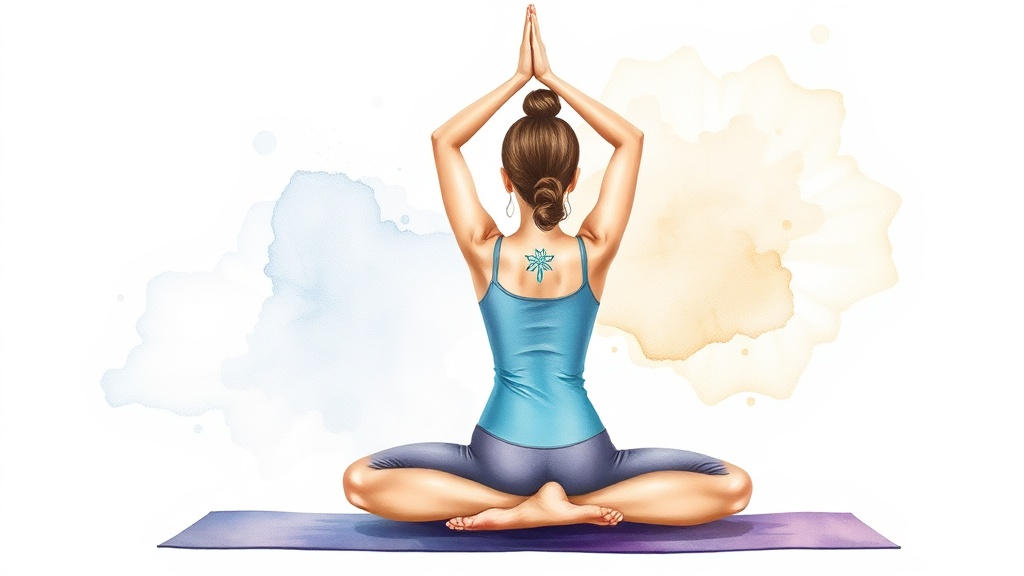
Mindfulness beyond the mat
The benefits of yoga extend into daily life through mindful pauses, posture checks, and brief breathing breaks when stress appears. Short practices between meetings, mindful walking, or a two-minute breathing reset can deliver big returns over time.
Try one focused adjustment this week: add three deep intentional breaths before and after your next activity. That small ritual is a gateway to calmer, more resilient days and sustainable yoga practice.