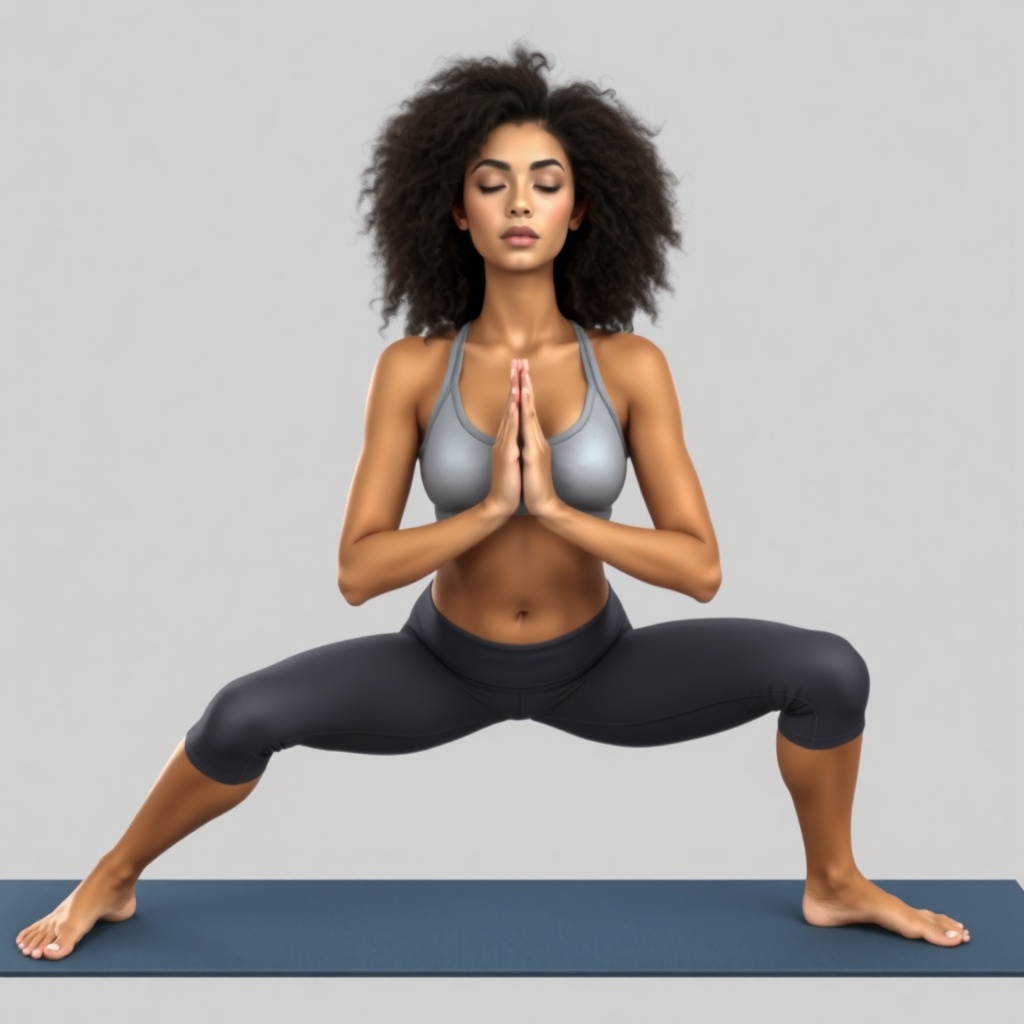
Sitting for long stretches can create stiffness, tension, and poor posture — common complaints among people who spend most of their day at a desk.
Desk yoga offers simple, effective movement and breathing practices that counteract the effects of a sedentary workday, relieve neck and back pain, and boost energy and focus without requiring a change of clothes or a lot of space.
Why desk yoga works
Desk yoga combines gentle mobility, targeted stretches, and breath awareness to interrupt the cycle of tight muscles and shallow breathing. Short, frequent breaks increase circulation, reset posture, and help the nervous system shift from stress-driven tension to a calmer state. These micro-practices are accessible to most people and can be done discreetly in an office, a home study, or even during a long commute.
Quick desk-friendly sequence (2–5 minutes)
– Seated breath reset: Sit tall. Place one hand on your belly and the other on your ribs. Inhale slowly through the nose for 4 counts, feel the belly expand; exhale for 6 counts, allowing the ribs to soften. Repeat 4 times to reduce stress and improve breath depth.
– Neck mobility: Drop the right ear toward the right shoulder; hold for 3 breaths. Slowly roll the chin down and to the left, pause, then return to center and repeat on the other side.
Keep movements smooth and pain-free.
– Shoulder openers: Interlace fingers behind the back and lift gently to open the chest. If interlacing is uncomfortable, reach hands to lower back and draw elbows together. Hold for 4 breaths.
– Seated cat-cow: Place hands on knees. On the inhale, arch the spine and lift the chest (cow).
On the exhale, round the spine and draw the chin to the chest (cat). Repeat 6–8 times to mobilize the spine.
– Seated twist: Sit tall, place right hand on left knee and left hand behind the hip, gently twist from the torso.
Hold for 3–4 breaths, then switch sides.
This releases lower back tightness and counteracts rounding.
– Wrist and finger stretches: Extend the right arm, palm up, and gently pull back the fingers with the left hand to stretch the forearm. Switch sides. Helpful for preventing repetitive strain from typing.
Ergonomics and habit tips
– Move often: Aim for a micro-break every 30–60 minutes. Even 60–90 seconds of movement improves circulation and concentration.
– Set reminders: Use a calendar alert or a movement app to build consistent habits.
– Check workspace setup: Adjust chair height, monitor level, and keyboard position so your hips sit slightly higher than your knees, eyes align with the top third of the screen, and shoulders remain relaxed.
– Alternate sitting and standing: If possible, use a sit-stand desk to vary posture throughout the day.
Modifications and safety
– Move within comfortable ranges; avoid forcing any stretch.
– If you have persistent pain, recent injury, or a medical condition, consult a healthcare professional before starting new movement routines.
– Use props like a pillow for lumbar support or a strap for shoulder stretches if mobility is limited.
Small, intentional pauses for movement make a big difference. Practicing these desk-friendly yoga techniques regularly helps reduce pain, improve posture, and increase productivity — all without leaving your chair.