Choosing fitness gear that supports consistent progress and prevents injury is as much about smart selection as it is about motivation. Whether you’re outfitting a compact home gym or updating your running kit, prioritizing versatility, durability, and recovery will deliver the best return on investment.
Core categories to prioritize
– Strength essentials: Adjustable dumbbells, a sturdy barbell or kettlebell, and a compact power rack or squat stand if space allows. Adjustable dumbbells and plate systems save space while still enabling progressive overload.
– Cardio gear: A jump rope, a compact rowing machine, or a foldable treadmill can cover most cardio needs. For small spaces, high-intensity interval training (HIIT) tools like assault bikes or air bikes provide intense, low-footprint workouts.
– Mobility and recovery: A quality foam roller, percussion massager, and a set of resistance bands help with warm-ups, cooldowns, and rehabilitation. Recovery tools reduce soreness and improve longevity.
– Wearables and tracking: Heart rate monitors, GPS watches, and smart hearables with live coaching features help optimize training intensity and track progress. Look for reliable battery life and interoperable apps.
– Apparel and footwear: Breathable, moisture-wicking fabrics and footwear matched to your primary activity (running, lifting, cross-training) minimize discomfort and reduce injury risk.
What to look for when buying
– Build quality: Steel or reinforced aluminum for weight equipment; high-density foam and durable PVC for rollers and mats. Cheaper materials might save money upfront but often fail faster.
– Adjustability and scalability: Equipment that grows with your strength—adjustable dumbbells, modular racks—delivers longer-term value than single-weight tools.
– Multi-functionality: Choose tools with multiple uses (e.g., bands for mobility and resistance, benches that incline/decline) to maximize limited space.
– Data accuracy and ecosystem: For wearables, prioritize reliable sensors and open ecosystems that sync with popular fitness apps.
Accurate heart rate and GPS tracking matter most for meaningful feedback.
– Warranty and service: Strong warranties and easy access to replacement parts or customer service reduce long-term headaches.
Sustainability and responsible buying
Eco-conscious shoppers should look for recycled or low-impact materials, repairable designs, and brands with transparent supply chains. Many companies now offer trade-in programs or repair services that extend the life of expensive items like treadmills and bikes.
Common buying mistakes to avoid
– Prioritizing flashy features over fundamentals: A treadmill with a huge touchscreen isn’t helpful if the motor is underpowered. Focus on core performance metrics.
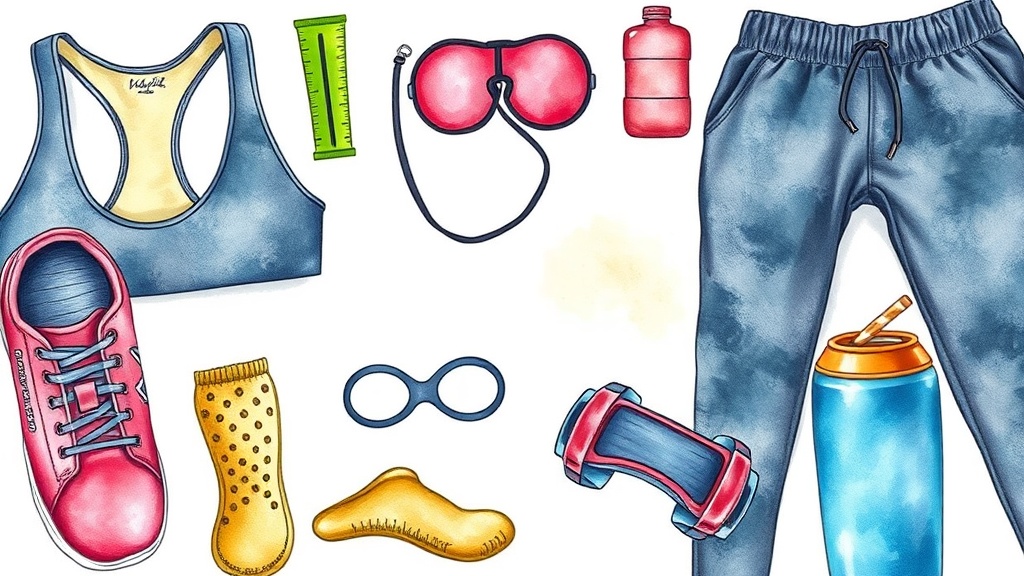
– Ignoring fit and function: Shoes or wraps that don’t fit properly can cause injury. Try footwear and wearable gear in person when possible.
– Overbuying: More equipment doesn’t guarantee more results. Build a plan around a few versatile tools and expand only when your routine demands it.
Maintenance tips to make gear last
– Keep metal parts dry and periodically lubricated to prevent rust.
– Wipe down upholstery and mats after use to prevent odor and bacterial build-up.
– Inspect cables, bands, and straps for fraying and replace them promptly.
– Calibrate and update firmware on smart devices to ensure accuracy and compatibility.
Choosing the right combination of gear is about aligning tools with goals, space, and budget. Prioritize quality on items you use daily and opt for versatility in smaller spaces. With thoughtful selection and regular maintenance, your equipment becomes a long-term partner in performance, not just another piece of household clutter.