Balancing intensity and recovery is one of the most important skills for anyone serious about CrossFit. High-intensity training drives fast gains in strength, power, and conditioning, but without thoughtful recovery it leads to stagnation, injury, and burnout. Here’s a practical guide to getting the balance right so you progress consistently and enjoy long-term improvement.
Understand intensity vs. volume
Intensity refers to how hard a workout is — heavy lifts, maximal efforts, or all-out cardio pushes. Volume is the total amount of work — sets, reps, or total time spent training. Pushing intensity every session without managing volume is a common mistake. A well-designed program alternates high-intensity days with lower-intensity skill, strength, or recovery-focused sessions to allow adaptation.
Use autoregulation, not just a plan
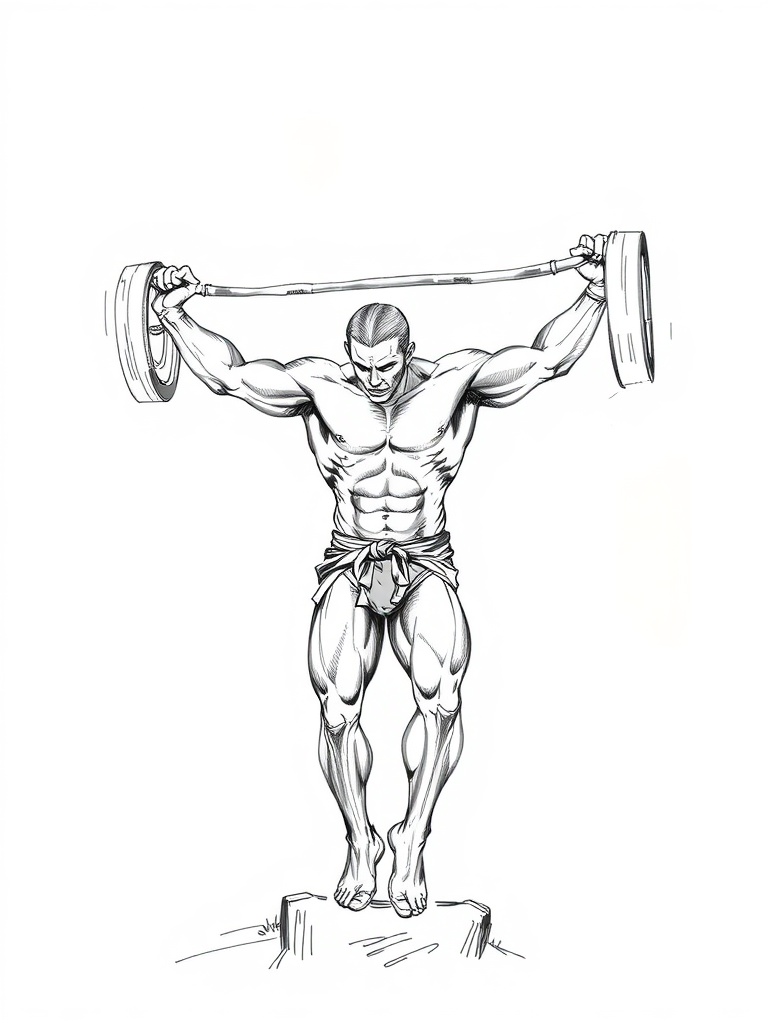
Rigid plans can fail when life stress, sleep, or minor illness affects your performance. Autoregulation methods such as RPE (rate of perceived exertion), adjusting loads based on how you feel, and choosing scaled options for a WOD when necessary keep intensity within productive limits. Simple rules: if RPE is consistently above target, reduce load or reps; if a lift feels heavy for two sessions in a row, take a lighter day or prioritize mobility.
Structure workouts strategically
– Priority work first: schedule technical lifts and skill work (Olympic lifts, gymnastics, heavy singles) early in the session when you’re fresh.
– Condition later: place metabolic conditioning (long AMRAPs, chipper WODs) after strength or on separate days to avoid compromising technique.
– Mix modalities across the week: include one high-skill day, one heavy strength day, one high-intensity conditioning day, and one restorative or mobility day.
Plan recovery like a workout
Recovery isn’t passive. It’s a set of practices that support adaptation:
– Sleep: aim for consistent, quality sleep; prioritize regular bed and wake times.
– Nutrition: fuel workouts with adequate protein and carbs; include micronutrient-rich whole foods to support repair.
– Hydration and electrolytes: maintain hydration around higher-volume days and sweat-heavy sessions.
– Active recovery: low-intensity cardio, mobility flows, and targeted soft-tissue work improve blood flow and reduce soreness.
Use deloads and cycle intensity
Regular deloads or lower-intensity weeks are essential. Reduce volume or intensity periodically to consolidate gains. For athletes who test frequently, schedule lower-intensity blocks after competition cycles to address lingering fatigue and refine technique.
Monitor objective and subjective markers
Track both objective metrics (workout times, lifts, heart rate variability if available) and subjective signs (sleep quality, mood, joint pain, appetite). Persistent declines in performance or elevated resting heart rate are red flags for inadequate recovery.
Scale intelligently to avoid injury
Scaling isn’t a sign of weakness — it’s smart programming. Use scaled versions of WODs to maintain intensity without sacrificing form. Substitute high-impact moves (double-unders, box jumps) with lower-impact options when accumulating volume or managing nagging issues.
Work with coaches and listen to your body
A coach can provide programming, technique feedback, and perspective when you can’t objectively judge your own fatigue.
Equally important is cultivating self-awareness: learn when to ease off, modify, or rest.
Small, consistent changes yield the best results. Try adjusting one variable—sleep, mobility, or workout order—then observe how performance and recovery respond.
Over time, balancing intensity with recovery becomes second nature and unlocks more sustainable progress in CrossFit.