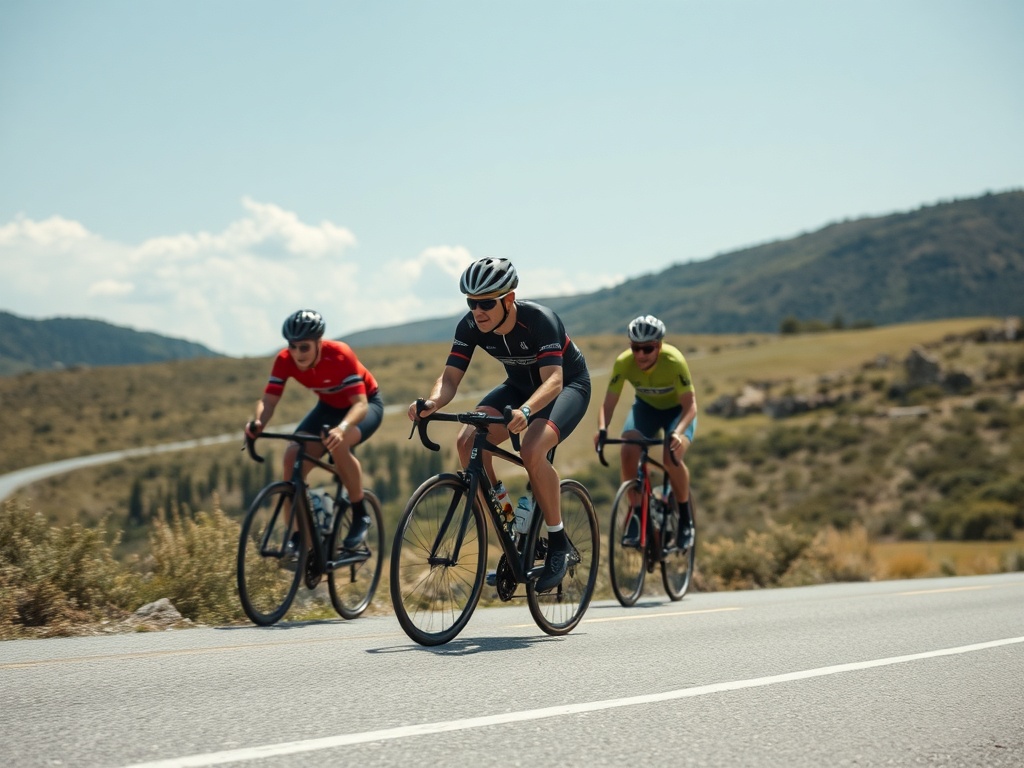
Gravel cycling has moved beyond a niche and become one of the most accessible ways to explore roads, trails, and quiet backcountry lanes. It blends the speed of road riding with the freedom of off-road exploration, making it ideal for riders who want variety, adventure, and a low-traffic experience without committing to full mountain biking or long bikepacking expeditions.
Why gravel works
Gravel bikes are versatile: they handle pavement, hardpack, and loose surfaces with comfort and control. Wider tires and more relaxed geometry give confidence on rough descents and stability on long days. For people who want to escape traffic, find new routes, or just enjoy mixed-surface loops, gravel is a practical, rewarding choice.
Choosing the right bike
You don’t need the most expensive model to get started. Key features to consider:
– Tire clearance: More clearance means the ability to run wider tires for comfort and traction.
– Frame geometry: A slightly more relaxed head tube angle and longer wheelbase improve stability off-road.
– Mounting points: For longer rides or overnight trips, mounts for racks, bottles, and frame bags are invaluable.
– Drivetrain: 1x setups simplify shifting and reduce chain drops; 2x gives a wider range for steep climbs. Choose based on terrain and personal preference.
Tires, pressure, and traction
Tires are the most important upgrade for gravel performance. Wider tires (35–50 mm depending on the bike) provide cushioning and traction. Tread choice depends on terrain: smoother tread for mixed surfaces, chunkier knobs for loose or muddy trails. Lower pressure increases grip and comfort but watch for pinch flats—run as low as you dare while avoiding rim strikes. Tubeless setups reduce punctures and allow even lower pressures.
What to carry
Pack light but practical:
– Multi-tool, spare tube, patch kit, tire levers, and mini-pump or CO2 inflator
– Chain quick link and small bottle of chain lube
– Lightweight windproof jacket and base layer
– Snacks, hydration, and electrolytes
– Phone, map or GPS device, and ID
Route planning and etiquette
Use route-building apps that let you filter by surface type so you can design a ride that matches your skill and bike. Respect private property and local land access rules; many gravel routes cross mixed ownership.
On multi-use trails, yield to hikers and horseback riders, announce your approach, and pass slowly. Practice leave-no-trace principles—pack out what you pack in.
Technique and training
Gravel riding rewards smoothness. Maintain an even cadence, look ahead to pick lines, and use body position to absorb bumps—stay loose at the elbows, shift weight back on descents, and keep a light grip. Cornering on gravel means more lean through the shoulders and less aggressive braking; slow into the corner then accelerate out.
Short, targeted intervals and longer endurance rides both help build the strength and endurance needed for varied terrain.
Community and progression
Local gravel groups, bike shops, and skills clinics are great for learning routes and techniques. Start with shorter loops and gradually add distance and technical challenge. As confidence grows, consider overnight bikepacking to experience remote sections and a new kind of freedom.
Gravel cycling is about exploration over the fastest time.
With the right setup, a few essential skills, and respect for the places you ride, it becomes an endlessly rewarding way to discover new roads and reconnect with the outdoors.