Smart, compact, and durable: what to look for when upgrading fitness gear
Home workouts and on-the-go training have reshaped how people equip themselves.
Whether you have a dedicated home gym or pack a bag for travel, choosing versatile fitness gear that balances performance, space, and longevity is the most cost-effective approach.
Here’s a practical guide to picking items that improve workouts now and stay useful as your routine evolves.
Focus on multifunctional, space-saving tools
Prioritize gear that supports multiple movement patterns and training goals. Adjustable dumbbells, kettlebell handles that accept plates, and stackable plyo boxes reduce clutter while covering strength, power, and conditioning needs. Resistance bands come in a range of tensions and can replace several machines for pulling, pushing, and hip-hinge work — ideal for progressive loading and rehab exercises.
Key picks for a compact setup:
– Adjustable dumbbells or plate-loaded kettlebells for progressive strength
– A set of loop and tube resistance bands with varying tensions
– A durable yoga mat that doubles for mobility and core work
– A compact cardio option: jump rope, foldable bike, or mini stepper
Choose tech that enhances but doesn’t complicate
Wearables and smart equipment can add motivation and accountability, but the best tech is intuitive and reliable. Look for trackers with accurate heart-rate monitoring, solid battery life, and straightforward app interfaces. For equipment, Bluetooth-enabled rowing machines, treadmills, and bikes are useful if their ecosystems are stable and updates don’t disrupt functionality.
Beware of gimmicks; focus on data that translates into actionable adjustments to training.
Recovery tools that pay off
Recovery and mobility tools are no longer optional. Percussive therapy devices, quality foam rollers, and compact massage balls speed recovery and reduce soreness when used consistently. A simple criterion: tools should be durable, easy to clean, and portable enough to carry between home, gym, and travel.
Material matters for comfort and sustainability
Performance and sustainability increasingly overlap.
Look for gear made with high-density foams, natural rubber, or recycled plastics that withstand sweat, friction, and drops. Check manufacturer care guidelines — some finishes repel odor and moisture, making them better long-term investments.
For shoes, prioritize fit and function over trend; breathable, supportive uppers and stable midsoles prevent injuries and improve comfort during varied workouts.
Safety, warranties, and customer support
Strong warranties and responsive customer support matter more than flashy specs. Heavy-use items like benches, racks, and cardio machines should include clear assembly instructions, replacement part availability, and a reasonable warranty.
For tech devices, confirm update policies and whether the manufacturer provides timely firmware improvements.
Packing for travel
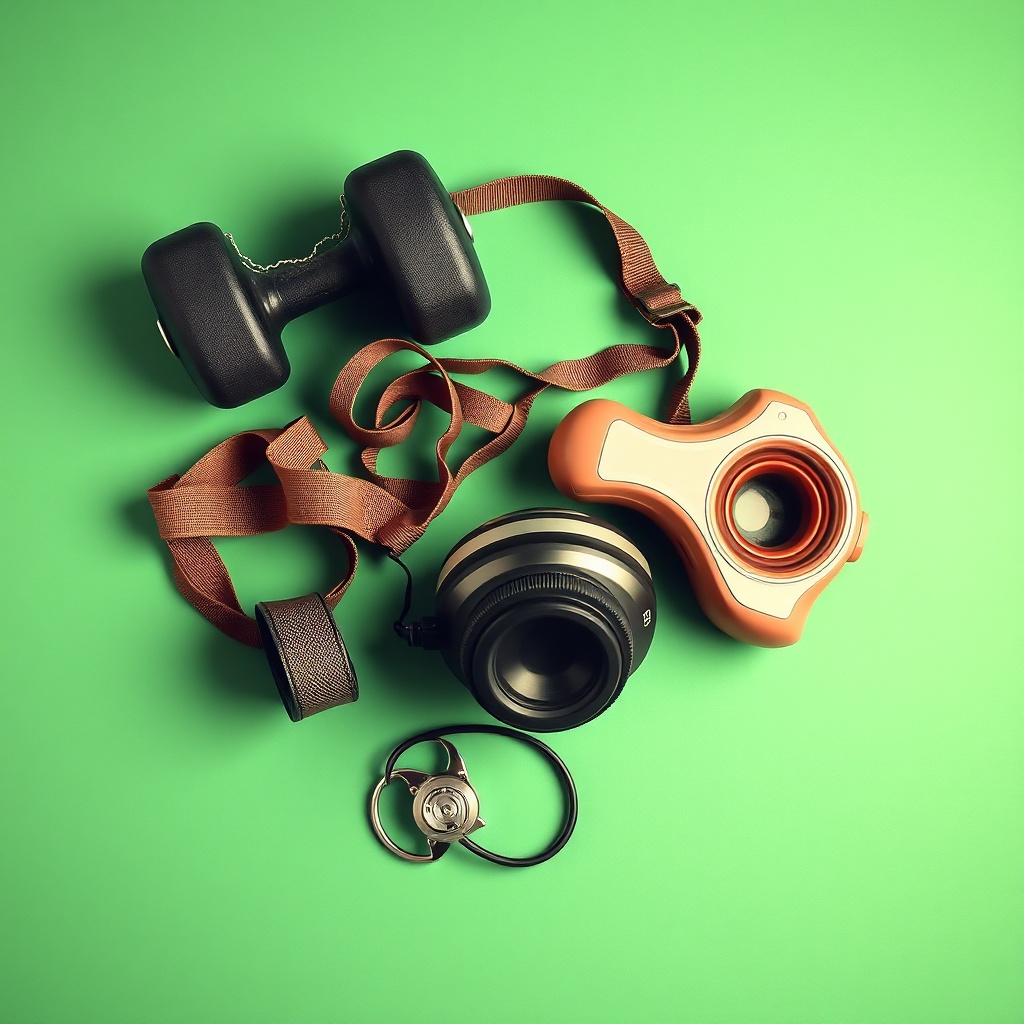
For frequent travelers, prioritize ultralight, high-impact items: a heavy-duty jump rope, a set of mini bands, a compact suspension trainer, and a foldable mat. These take little space but enable strength, cardio, and mobility sessions in hotel rooms or parks.
Final shopping checklist
– Versatility: Will it replace or complement multiple items?
– Durability: Can it withstand regular use and sweat exposure?
– Portability: Is it easy to store or travel with?
– Support: Does the brand offer solid warranties and parts?
– Value: Does its lifespan justify the cost?
Smart choices in fitness gear let you stay consistent, progress safely, and adapt workouts to changing schedules.
Invest in a few high-quality, versatile pieces and build around them as needs evolve.