Pilates: Strength, Control, and a Smarter Way to Move
Pilates has moved beyond boutique studios to become a mainstream approach for improving core strength, posture, mobility, and movement efficiency. Whether you’re new to mat classes or curious about reformer work, understanding how Pilates differs from other exercise methods helps you get better results faster.
What makes Pilates different
Pilates focuses on precise, controlled movement with a strong emphasis on breath, alignment, and the coordination of mind and body. The method trains deep stabilizing muscles that support the spine and pelvis, creating a foundation for stronger, safer movement in daily life and other sports. Sessions can be gentle and rehabilitative or challenging and athletic, depending on how exercises are scaled.
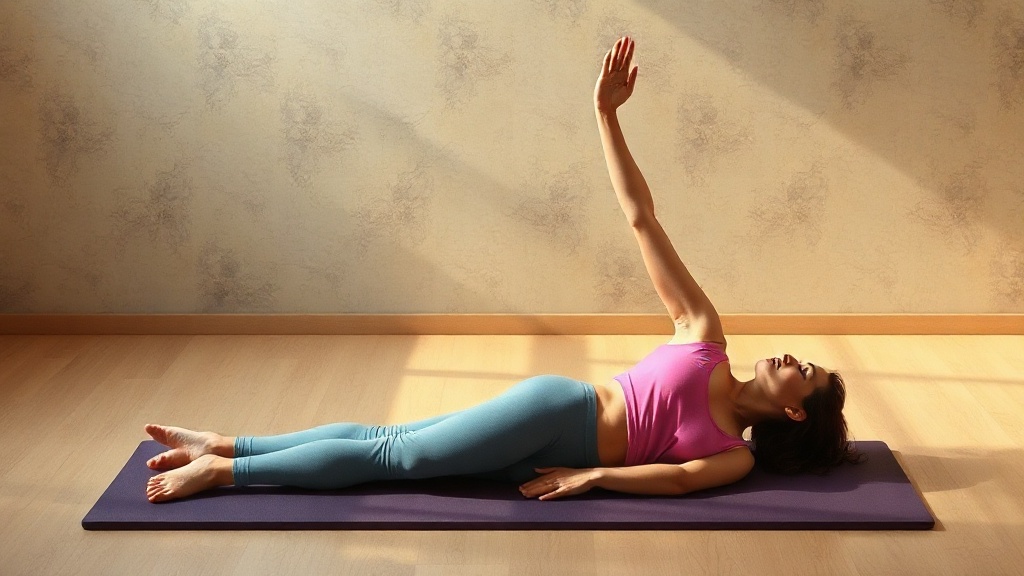
Mat vs reformer: choosing the right entry point
– Mat Pilates: Uses just a mat and body weight. It’s accessible, portable, and excellent for building foundational control and muscular endurance.
– Reformer Pilates: Uses a spring-loaded carriage to add resistance and assistance. It offers more variety and makes progressions more precise for strength, flexibility, and balance.
Benefits that matter
– Core stability: Improved control around the torso reduces back pain and enhances athletic performance.
– Posture and alignment: Strengthening postural muscles decreases tension in the neck and shoulders and improves standing and sitting mechanics.
– Mobility and flexibility: Pilates combines strength with controlled lengthening to increase joint range of motion without sacrificing stability.
– Injury prevention and rehab: The low-impact nature and emphasis on movement quality make Pilates ideal for recovering from injury or preventing recurrence.
– Better movement efficiency: Learning how to move with breath and intention improves functional tasks like lifting, bending, and walking.
How to get started (smartly)
– Start with a beginner class: Look for classes labeled “foundations” or “beginner.” Qualified instructors will emphasize breathing, neutral spine, and basic setup before adding complexity.
– Prioritize form over reps: Slow, precise repetitions build better neuromuscular control than fast, high-volume work.
– Frequency: Two to three sessions per week produces consistent improvements in strength and mobility for most people. Short, focused sessions on off-days can support maintenance.
– Communicate limitations: Tell your instructor about past injuries, surgeries, or chronic pain so exercises can be modified safely.
Common cues and why they matter
– “Start from your core”: Not a cue to suck in the stomach, but to engage deep stabilizers to support the spine.
– “Breathe into the back ribs”: Encourages diaphragmatic breathing that enhances rib mobility and supports spinal alignment.
– “Move with control”: Slower tempos strengthen muscle recruitment and reduce compensatory movement patterns.
Progressions and variations
Pilates progressions keep practice interesting and effective.
Once basics are mastered, variations include single-leg work for balance, added springs or straps on the reformer for resistance, and dynamic flow sequences that integrate breath and movement for cardio benefits.
Choosing the right instructor
Seek instructors with comprehensive training who can tailor sessions to your goals and anatomy. A good teacher cues clearly, watches movement quality closely, and offers scalable options to match your ability.
Practical takeaways
Pilates supports long-term mobility, resilience, and pain-free movement when practiced consistently and with attention to technique. Whether using just a mat at home or investing in a few reformer sessions, focus on breath, alignment, and progressive challenge to get the most from each session. Try a beginner class with a qualified instructor and notice how mindful movement translates to better posture, less pain, and more fluid movement in daily life.