Pilates is a mindful movement system that builds strength, improves posture, and increases mobility without bulky weights. Whether practiced on a mat or a reformer, Pilates emphasizes controlled breathing, precise alignment, and balanced muscle development — making it an excellent complement to running, weight training, or daily life.
Core principles to focus on
– Breath: Coordinate inhalation and exhalation with movement to support deeper muscle engagement and better oxygen flow.
– Neutral spine and pelvic placement: Maintain natural curves of the spine and a stable pelvis to protect the back and recruit the right muscles.
– Concentration and control: Move deliberately to maximize muscle recruitment and prevent momentum from doing the work.
– Precision: Small adjustments create big improvements over time.
– Flow: Link movements smoothly to build endurance and coordination.
Mat vs reformer: Which suits you?
Mat Pilates is accessible and portable — all you need is a mat and willingness to learn the basics. It’s ideal for improving core control, mobility, and body awareness.
Reformer Pilates uses a spring-loaded carriage to add resistance and assistance, offering more options for progression, assistance with range of motion, and targeted work for rehab or advanced strength training. Both approaches produce durable results; choose based on access, goals, and personal preference.
Benefits that matter
– Better posture and reduced back pain: Strengthening deep stabilizers supports the spine and can relieve chronic tension.
– Efficient core strength: Pilates targets the transverse abdominis, pelvic floor, and multifidus — muscles that contribute to a stable, functional core.
– Improved flexibility and joint mobility: Controlled lengthening and loaded movement patterns enhance range of motion without overstretching.
– Injury prevention and rehabilitation: Focused alignment and controlled loads make Pilates ideal for recovering from or preventing repetitive-strain injuries.
– Enhanced mind-body connection: The emphasis on concentration and breath boosts body awareness and stress resilience.
Practical tips for beginners
– Start with a class or a few private sessions to learn safe alignment and modifications.
– Prioritize quality over quantity; fewer, well-controlled repetitions beat many sloppy ones.
– Keep a neutral spine for most exercises unless instructed otherwise.
– Use props like a small ball, resistance band, or foam roller to make exercises accessible.
– Communicate any pain or past injuries to your instructor so exercises can be adapted.
Sample mini routine (mat-friendly)
– Breathing and pelvic tilts: 5–8 repetitions to find neutral spine.
– The Hundred (modified): 30–60 seconds, knees bent if needed.
– Single Leg Circles: 8–10 per leg to mobilize the hip.
– Plank hold: 20–45 seconds to build global core and shoulder stability.
– Swan or Cobra: 6–8 reps for spinal extension and posterior chain activation.
– Side leg series: 8–12 reps per move to strengthen lateral stabilizers.
How often to practice
Consistency matters more than intensity.
Two to four sessions per week yields noticeable gains in strength, flexibility, and posture. Mix Pilates with cardiovascular and strength training for balanced fitness.
Choosing an instructor or program
Seek instructors with comprehensive training and experience adapting Pilates for different bodies. Read reviews, try trial classes, and prioritize clear cueing and individualized attention. If you have a medical condition, choose an instructor comfortable working with healthcare providers.
Pilates offers durable results through mindful, consistent practice.
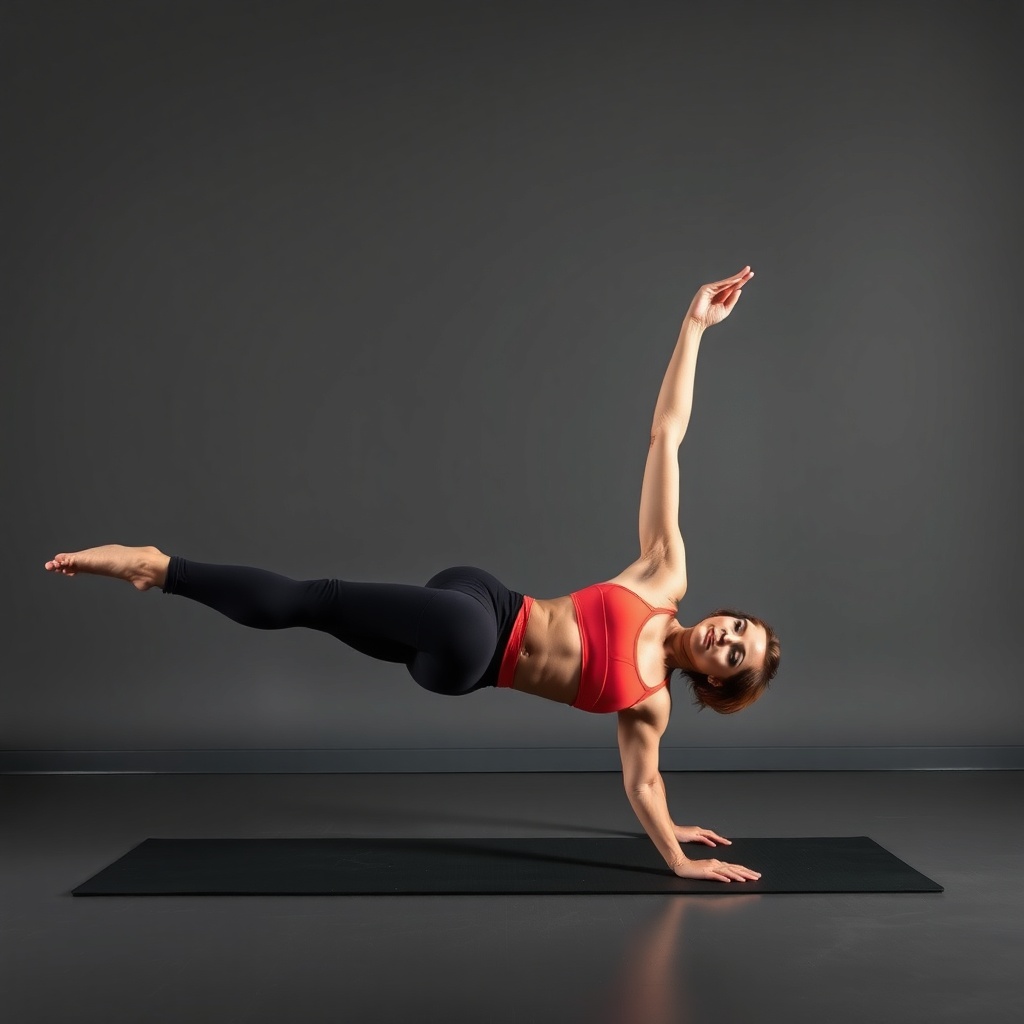
Whether you want better posture, rehabilitation support, or a lean, functional core, it’s a versatile tool that fits many fitness needs.