Why fiber deserves top billing on your plate
Fiber is one of the simplest nutrition wins you can make—and one of the most powerful. Often overlooked for trendy supplements or restrictive diets, fiber supports digestion, stabilizes blood sugar, improves cholesterol, and fuels a healthy gut microbiome. Here’s a practical guide to the benefits, the best sources, and how to add fiber to meals without digestive drama.
What fiber does for your body
– Gut health: Fiber feeds beneficial gut bacteria and supports regular bowel movements. Certain fibers ferment in the colon, producing short-chain fatty acids that nourish gut cells and reduce inflammation.
– Blood sugar control: Soluble fiber slows digestion and glucose absorption, helping blunt post-meal blood sugar spikes.
– Heart health: Soluble fiber binds cholesterol in the gut and helps lower LDL levels over time.
– Satiety and weight management: High-fiber meals take longer to chew and digest, increasing fullness with fewer calories.
Soluble vs. insoluble: why both matter
– Soluble fiber dissolves in water and forms a gel-like substance. Found in oats, beans, apples, carrots, and psyllium, it’s excellent for blood sugar and cholesterol management.
– Insoluble fiber adds bulk and speeds transit through the digestive tract.
Found in whole grains, nuts, seeds, and many vegetables, it helps prevent constipation.
High-fiber foods to prioritize
– Whole grains: Oats, barley, brown rice, and whole-wheat products
– Legumes: Lentils, chickpeas, black beans, and split peas
– Fruits: Berries, pears, apples (leave the skin on when possible)
– Vegetables: Broccoli, Brussels sprouts, carrots, leafy greens
– Nuts and seeds: Almonds, chia seeds, flaxseeds
– Minimally processed options like popcorn can also contribute fiber when prepared with little added fat or salt
Smart ways to add fiber every day
– Start breakfast with whole grains: Swap refined cereal for oats or a whole-grain toast topped with nut butter and berries.
– Sneak beans into meals: Add lentils to soups, blend chickpeas into dips, or toss beans into salads and bowls.
– Make vegetables the main event: Bulk up stir-fries, pastas, and sandwiches with extra veggies.
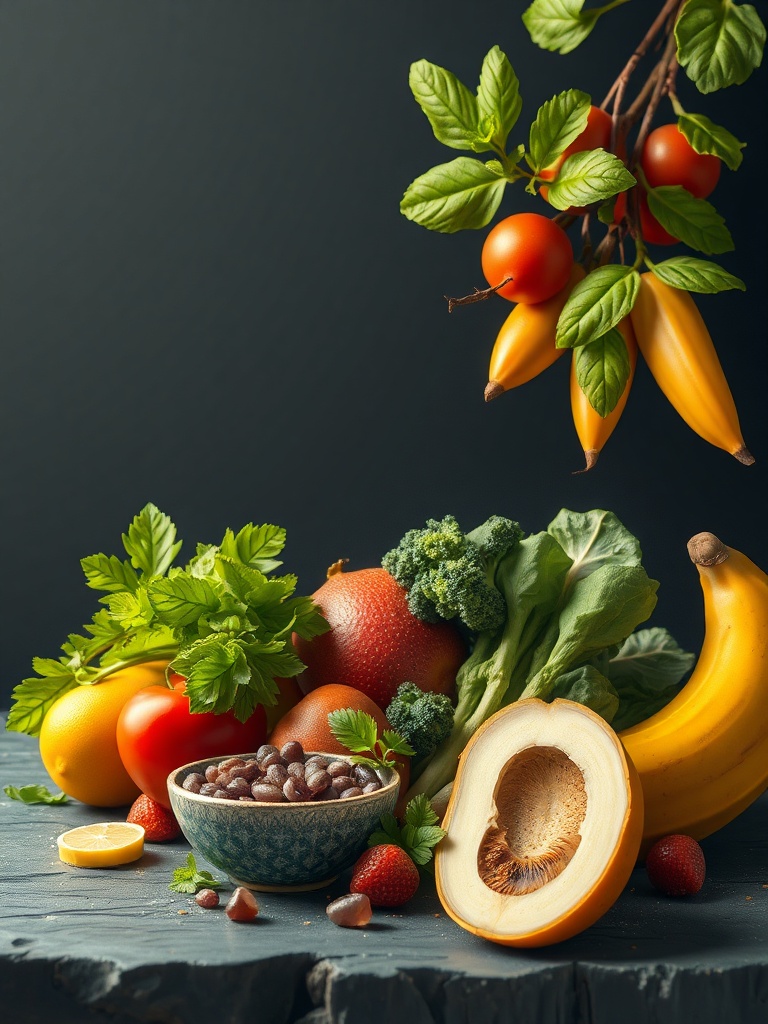
– Snack intentionally: Choose raw veggies with hummus, a handful of nuts, or an apple with seeds instead of processed snacks.
– Use seeds as seasoning: Sprinkle ground flax or chia on yogurt, cereal, or smoothies.
Practical tips to avoid discomfort
– Increase fiber gradually over one to two weeks so gut bacteria can adapt, which reduces gas and bloating.
– Drink plenty of water. Fiber draws water into the digestive system, and adequate fluids help it move smoothly.
– Choose a variety of fiber types to balance fermentable and non-fermentable fibers.
– If you have a digestive condition, like irritable bowel syndrome, work with a clinician to tailor your fiber plan—some people may need to limit certain fermentable fibers.
Reading labels and realistic goals
Aim for a consistent daily intake rather than one high-fiber meal. Most adults benefit from a target that fits within commonly recommended ranges, and many packaged foods show fiber per serving on the label—look for options that deliver 3–5 grams of fiber per snack or side dish.
Small changes add up
Switching refined grains for whole, adding a daily serving of legumes or a couple of extra vegetable portions, and choosing fiber-rich snacks can transform your overall intake without drastic changes. Over time, a fiber-focused approach supports digestion, energy stability, and long-term metabolic health—so it’s worth making fiber a daily priority.