Gravel riding has moved from niche to mainstream because it blends the freedom of off-road adventure with the speed and comfort of road cycling. If you’re curious about gravel but unsure where to start, this guide covers the essentials: the right bike, must-have gear, core skills, route planning, and simple maintenance to keep rides fun and safe.
What makes a gravel bike different
Gravel bikes bridge road and mountain cycles.
Key features include a relaxed geometry for stability on rough surfaces, wider tire clearance for increased traction, and mounting points for racks and bags—ideal for longer excursions or bikepacking.
You don’t need an expensive build to enjoy gravel; a reliable frame, wide tires, and a durable groupset will take you far.
Essential gear for your first gravel rides
– Tires: Opt for 35–45 mm tires with a tread pattern suited to mixed surfaces. Tubeless setups reduce punctures and let you run lower pressures for better traction.
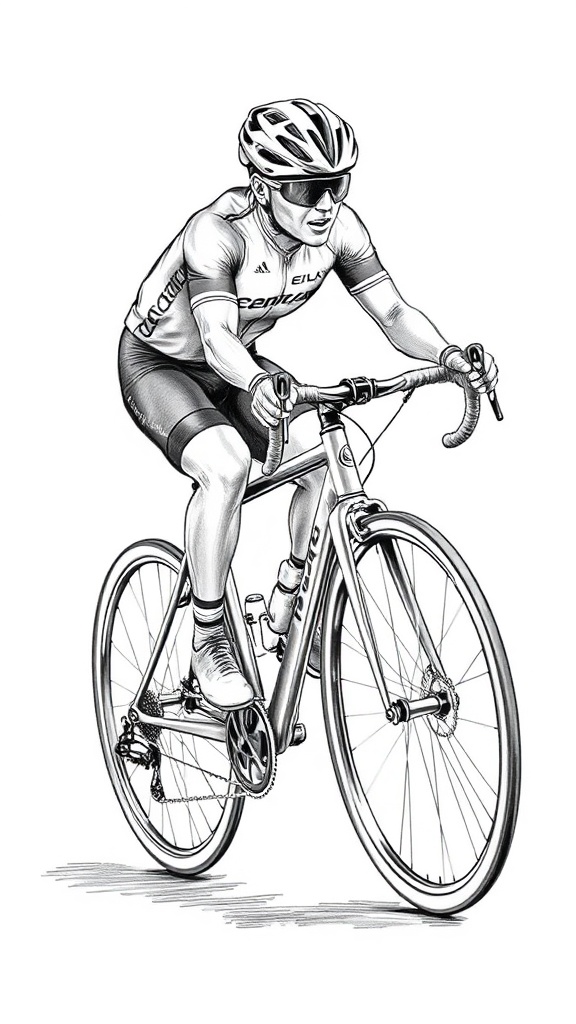
– Helmet and eyewear: A well-ventilated helmet and wraparound glasses protect against sun, wind, and debris.
– Tools and spares: Carry a multi-tool, spare tube or tubeless repair kit, CO2 or mini pump, and a chain quick-link.
– Hydration and nutrition: Use bottle cages or a frame bag for easy access to fluids and snacks.
– Lights and visibility: Even daytime rides can benefit from front and rear lights; bright colors and reflective details improve visibility.
Core skills to practice
– Bike handling: Practice braking and cornering on gravel; modulate brakes to avoid skidding and use your body to shift weight smoothly.
– Line choice: Look ahead and pick smoother trajectories—small obstacles are easier to roll over at the right angle and speed.
– Climbing and descending: Shift into appropriate gears before steep sections, and stay relaxed descending with a low center of gravity to maintain traction.
Route planning and navigation
Gravel routes can vary widely, from compact dirt roads to rutted forest tracks. Start with shorter loops close to home to build confidence. Use route-planning apps that offer surface-type overlays and elevation profiles. Download maps offline and mark bailout points—towns or paved roads—to shorten the ride if needed.
Bikepacking basics
If you enjoy longer outings, light bikepacking opens new possibilities. Keep weight low and centered: frame bags for tools and food, handlebar rolls for sleeping gear, and seat packs for clothing.
Choose breathable, quick-dry fabrics and prioritize multi-use items to minimize bulk.
Maintenance that keeps rides reliable
– Clean regularly: Removing grit from the drivetrain and frame prevents wear and improves shifting.
– Drivetrain care: Lubricate the chain after cleaning and inspect for wear; a worn chain accelerates cassette and chainring wear.
– Tire checks: Inspect for cuts and embedded glass; set tire pressures based on load and terrain (lower for traction, higher for efficiency).
– Pre-ride check: Quick inspection of brakes, tire pressure, and bolts can prevent most roadside issues.
Etiquette and safety
Respect private land and follow local rules.
Yield to hikers and equestrians, announce your approach, and pack out any trash. Riding responsibly keeps trails open for everyone.
Gravel riding rewards curiosity and gradual progression. Start with manageable distances, refine your setup as you learn what works, and embrace the variety of surfaces and scenery.
Try a nearby loop soon—small steps lead to big adventures.