Gut health has moved from niche interest to everyday nutrition priority—and for good reason.
The community of microbes living in your digestive tract influences digestion, immune resilience, mood, and even how the body processes food. Building a resilient gut doesn’t require drastic measures; it’s about consistent, food-first habits that support microbial diversity and intestinal function.
What gut-friendly eating looks like
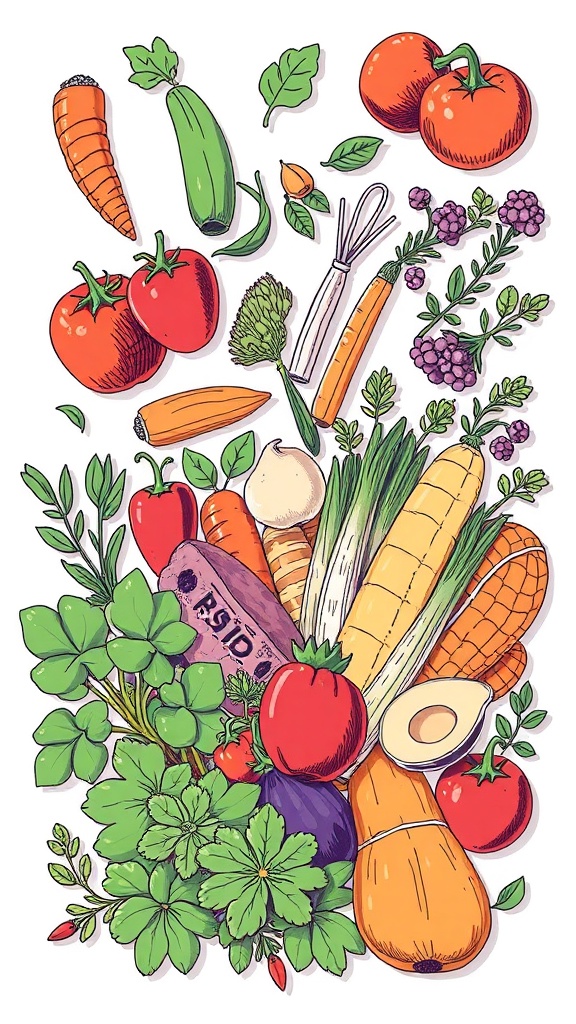
– Prioritize dietary fiber: A variety of fibers feeds different microbial species. Aim for whole grains, legumes, vegetables, fruits, nuts, and seeds. Insoluble fibers (found in wheat bran, skins of fruits and vegetables) support regularity, while soluble fibers (oats, beans, apples) help form the gel-like stool that feeds microbes.
– Include prebiotics: These are specific fibers that selectively nourish beneficial bacteria. Good sources include garlic, onions, leeks, asparagus, bananas, and Jerusalem artichokes. Even small servings can boost helpful strains over time.
– Add fermented foods: Yogurt, kefir, sauerkraut, kimchi, tempeh, and some pickles introduce live microbes and can support microbial balance.
Choose minimally processed versions with live cultures and low added sugar or salt.
– Embrace polyphenol-rich foods: Berries, green tea, dark chocolate, coffee, and colorful vegetables provide polyphenols that can be metabolized by gut bacteria into compounds that support health.
– Try resistant starch: Cooked-and-cooled potatoes, green bananas, legumes, and certain whole grains contain resistant starch that bypasses digestion and ferments in the colon, nourishing beneficial microbes.
Lifestyle factors that matter
– Limit ultra-processed foods: Products high in refined starches, added sugars, emulsifiers, and artificial sweeteners can negatively affect microbial diversity. Whole foods support a more diverse and resilient microbiome.
– Stay active: Regular movement is linked to greater microbial diversity and improved transit time.
Simple habits like brisk walking, strength training, or yoga can help.
– Manage stress and prioritize sleep: Chronic stress and poor sleep patterns alter gut function and microbial balance. Mindfulness, consistent sleep schedules, and stress-reduction practices support gut health.
– Hydrate wisely: Adequate fluids help maintain mucosal lining and stool consistency—important for a healthy gut environment.
When to consider supplements or medical advice
For general wellness, food-first strategies are safest. Probiotic supplements can be helpful in specific situations (after certain antibiotics, for occasional digestive upset, or for particular medical conditions), but strains and doses matter.
Discuss options with a healthcare professional if you have ongoing digestive symptoms, immune concerns, or a chronic condition. If you experience severe abdominal pain, unintentional weight loss, blood in stool, or persistent changes in bowel habits, seek prompt medical evaluation.
Simple swaps to start today
– Swap a refined cereal for overnight oats topped with berries and a sprinkle of seeds.
– Add a small serving of kimchi or plain yogurt to one meal daily.
– Replace one sugary snack with a piece of fruit plus a handful of nuts.
– Make half your plate vegetables at lunch and dinner to boost fiber and polyphenol intake.
Small, consistent changes can shift your gut environment toward greater diversity and resilience. Pick one habit to adopt this week—whether it’s adding a fermented food, increasing vegetable variety, or reducing processed snacks—and build from there. The gut responds to steady, sustainable choices more than extreme short-term fixes.