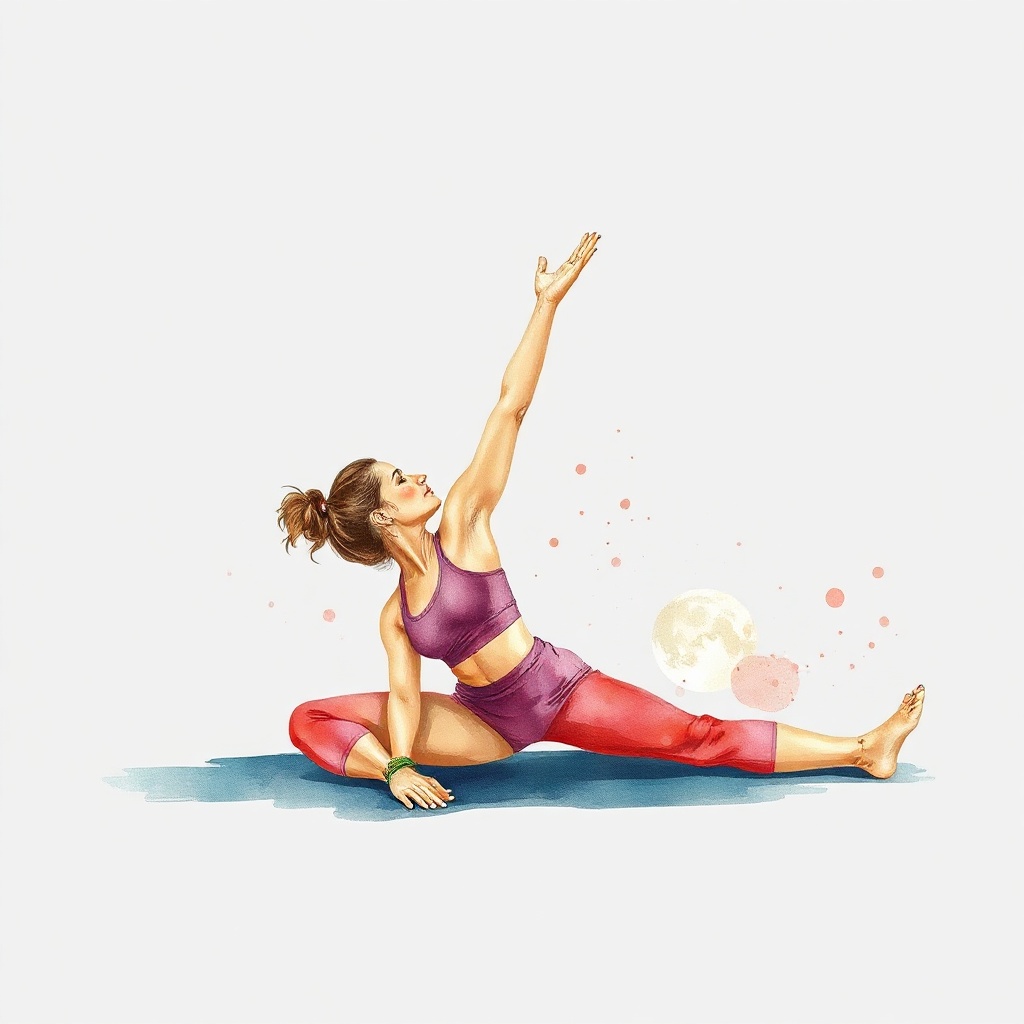
Pilates blends controlled movement, precise breathing, and focused concentration to build strength, flexibility, and alignment. Whether you’re drawn to mat sessions or machine-based Reformer classes, Pilates adapts to many goals: improved posture, injury prevention, athletic cross-training, and enhanced body awareness.
Core principles and what to expect
At the heart of Pilates are a few consistent principles: centering (engaging the deep abdominal muscles), control, precision, concentration, breath, and flow. Sessions often begin with stabilization exercises that connect the pelvis and ribcage, then progress to movements that challenge coordination and range of motion. Breathwork in Pilates is intentional—often lateral thoracic breathing—used to support movement and maintain spinal neutrality.
Mat versus Reformer and other equipment
Mat Pilates relies mostly on bodyweight and small props like resistance bands, stability balls, or the Pilates ring to vary intensity. It’s accessible, portable, and excellent for learning foundational patterns. Reformer Pilates introduces spring-based resistance, a sliding carriage, and adjustable settings that make exercises scalable and particularly effective for building strength, control, and mobility.
Other common apparatus include the Cadillac, Wunda Chair, and spine corrector—each offering unique resistance and support options.
Benefits for everyday movement
Pilates improves core strength without bulking, enhances postural muscles, and fosters better movement patterns that carry over into daily activities.
Many people notice decreased low back discomfort as pelvic and trunk stability improves. Flexibility increases alongside stability, because Pilates emphasizes lengthening muscles while strengthening them—reducing the risk of over-shortening and tightness that can cause pain.
Who benefits most
Pilates suits a wide range of fitness levels. Beginners build essential control and mobility; athletes use Pilates to correct imbalances and improve performance; people recovering from injury can use the method to safely rebuild function when guided by a qualified instructor. Modifications make Pilates appropriate during many stages of life, but medical clearance is advisable for certain conditions such as uncontrolled hypertension, recent surgeries, or specific spinal concerns.
How to choose a class or instructor
Look for instructors with recognized Pilates certification and a willingness to assess movement before progressing to advanced exercises. Small class sizes or private sessions are ideal for personalized cueing and alignment feedback. Ask about the instructor’s approach—classical repertoire or contemporary adaptations—and whether they can offer modifications for injuries or limitations. Clean, well-maintained equipment and clear safety protocols are also important.
Practical tips to get started
– Begin with a beginner mat or private session to learn basic breathing and pelvic positioning.
– Aim for regular sessions—consistency matters more than intensity for lasting change.
– Communicate openly about any pain or past injuries so exercises can be adapted.
– Combine Pilates with cardiovascular work and strength training for balanced fitness.
– Focus on quality of movement rather than quantity; precise repetitions yield better results than rushing.
Common misconceptions
Pilates is not just “core work” for aesthetic abs; it’s a holistic movement system emphasizing coordinated strength and mobility. It’s also not gentle stretching—many exercises require intense control and can be quite challenging when performed correctly.
Pilates offers a mindful, efficient way to build a resilient body and better movement habits. With thoughtful instruction and steady practice, it becomes a long-term tool for functional strength, pain reduction, and improved daily performance.