Short, consistent yoga practice delivers disproportionate benefits — especially for busy people, desk workers, and beginners. A focused 10-minute routine can improve mobility, reduce stress, sharpen focus, and help break the cycle of sitting without needing special equipment or a big time commitment.
Why a short practice works
Consistency beats intensity for most people. Short daily sessions build neural and muscular patterns, improve breath awareness, and lower stress hormones when practiced regularly.
Small, repeatable habits are easier to sustain and compound into noticeable gains in flexibility, posture, and mental clarity.
A 10-minute sequence you can do anywhere
This sequence is adaptable for mats, office floors, or even a sturdy chair.
Move slowly, coordinate breath with motion, and stop if you feel sharp pain.
1. Centering and breath (1 minute)
– Sit or stand tall. Inhale deeply through the nose, expanding the belly, then exhale slowly. Try ujjayi-like gentle throat constriction or simple diaphragmatic breathing to calm the nervous system.
2. Neck and shoulder release (1 minute)
– Gentle neck rolls and shoulder rolls, moving with the breath. Open the chest on each inhale and draw the shoulder blades together briefly on each exhale to counteract forward-shoulder posture.
3. Cat-Cow flow (1 minute)
– On hands and knees or seated, alternate arching and rounding the spine with the breath.
This mobilizes the vertebrae and soothes the back.
4. Downward dog to plank transition (2 minutes)
– From all fours, press back into downward dog, pedal the heels, then shift forward into plank for a breath or two and return. Repeat slowly to build core engagement and hamstring flexibility.
5. Low lunge with twist (2 minutes)
– Step one foot forward between the hands, sink into the hips, and add an upper-body twist toward the front knee on the inhale. Switch sides after one minute.
This opens hip flexors and mobilizes the thoracic spine.
6.
Seated forward fold or hamstring stretch (1 minute)
– Sit tall, hinge at the hips, and reach toward the feet. Keep the spine long; bend the knees if needed. This calms the nervous system and lengthens the posterior chain.
7. Child’s pose or chair relaxation (2 minutes)
– Finish with a restorative posture, allowing the breath to slow and observing how the body feels. Use a chair for a supported forward fold if space is limited.
Modifications and safety
– For tight wrists, practice downward dog on forearms or use blocks.
– Pregnant practitioners should avoid deep twists and positions that compress the belly; favor gentle hip openers and side-lying rests.
– If you have chronic pain or a medical condition, consult a healthcare provider before starting a new physical routine.
Tips to make it stick
– Pair the practice with an existing habit (after morning coffee, before bedtime).
– Keep sessions goal-oriented: mobility, stress relief, or energy.
– Track progress with simple notes: range of motion, mood, or focus levels.
– Use a wall or chair for micro-practices during the workday to break long sitting periods.
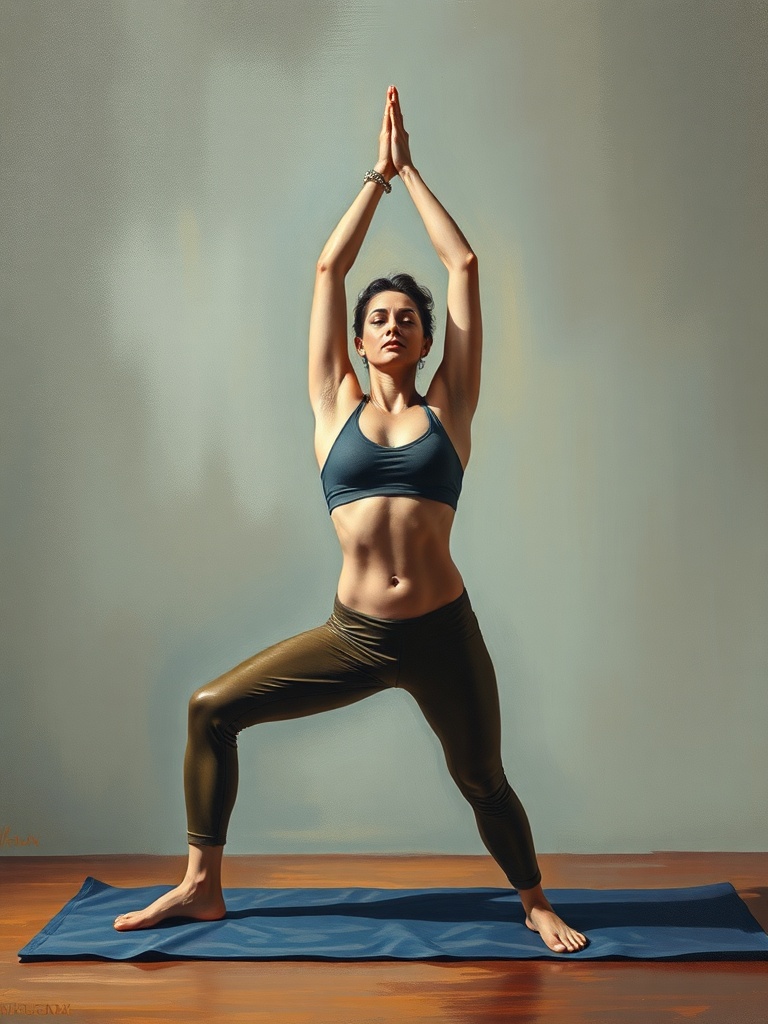
Breath is the foundation
Regardless of the poses you choose, breath control is the most powerful tool for stress reduction and performance.
Even a few minutes of intentional breathing lowers heart rate and calms the mind, making any short yoga practice exponentially more effective.
Try this micro-practice for a few weeks and notice the cumulative effects on posture, tension, and mental clarity. Small, consistent actions often produce the most sustainable results.