How to Build a Sustainable Yoga Practice for Stress Relief and Mobility
Yoga has moved beyond studio trends to become a core tool for stress relief, mobility, and mental clarity. Whether you’re a complete beginner or returning after a break, a sustainable practice balances breath, movement, and recovery so benefits accumulate without injury or burnout.
Why a short, consistent practice wins
Consistency beats intensity. Short daily sessions create habit and deliver real change: improved posture, reduced tension, calmer nervous system, and better sleep. Even 10–20 minutes of focused practice daily often outperforms sporadic hour-long classes.
Foundational elements of a sustainable practice
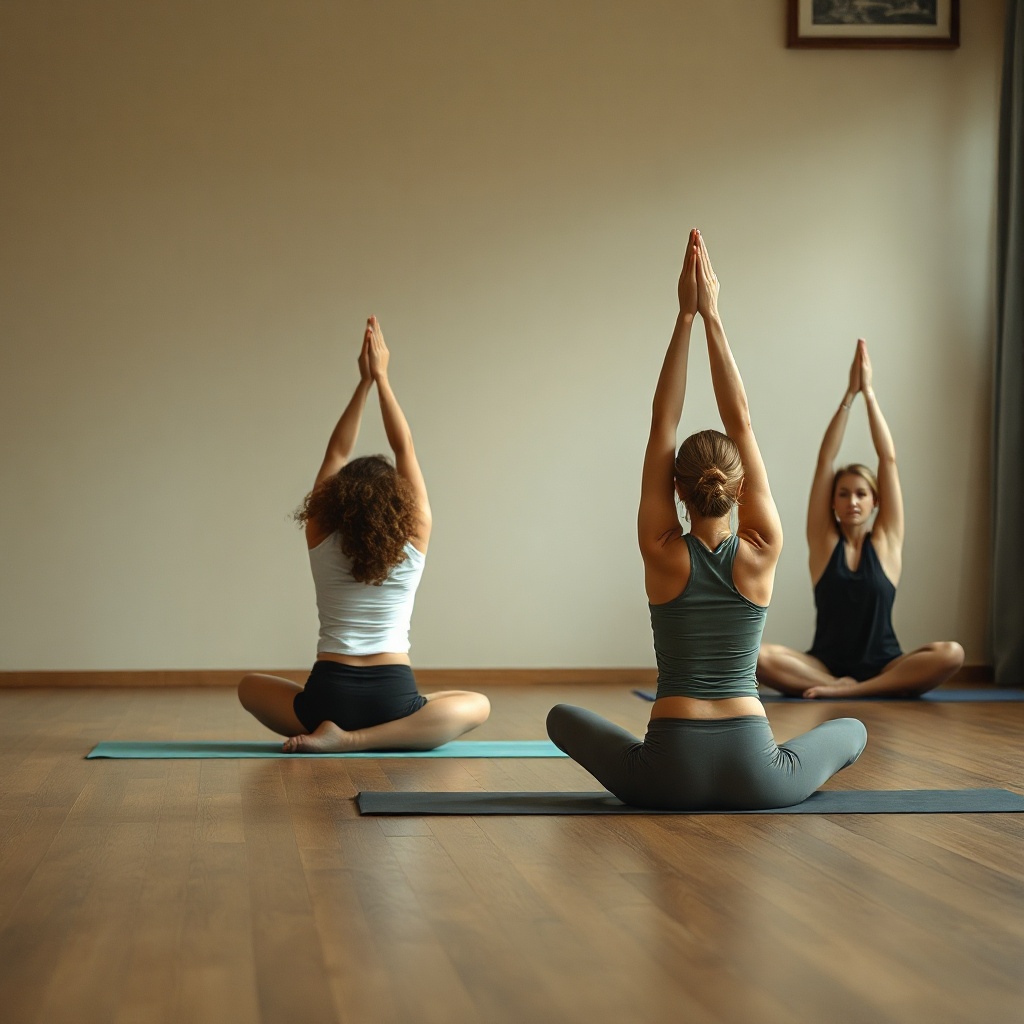
– Breath first: Link movement to breath. Diaphragmatic breathing (long, smooth inhalations and exhalations) calms the nervous system. Try box breathing—inhale for four counts, hold four, exhale four, hold four—when stress spikes.
– Mobility over flexibility: Aim for controlled range-of-motion rather than pushing to extremes. Mobility protects joints and improves functional movement for daily life.
– Recovery and rest: Include restorative poses and mindful stillness to integrate work done in active flows.
– Adaptability: Use props—blocks, a strap, a chair—to make poses accessible and safe.
A simple beginner-friendly sequence (10–15 minutes)
1. Seated breath (1–2 minutes): Sit tall, soften the belly, inhale for four counts, exhale for four. Ground the sitting bones.
2.
Cat–Cow (1–2 minutes): On hands and knees, flow between spinal flexion and extension with each breath to lubricate the spine.
3. Downward-facing Dog (30–60 seconds): Pedal the feet to open calves; micro-bend knees if hamstrings are tight.
4. Low Lunge (each side, 45–60 seconds): Step one foot between hands, sink hips forward, lift through the chest to mobilize hips.
5.
Warrior II flow (2 rounds each side): Build strength and hip mobility; soften the front knee and keep the pelvis neutral.
6. Thread-the-Needle (each side, 30–45 seconds): Rotational release for the upper back and shoulders.
7. Supported Child’s Pose or Legs-Up-the-Wall (2–5 minutes): Restore with deep, relaxed breathing.
Breath tools to manage stress
– Ujjayi breathing: Slight constriction at the back of the throat creates a soft ocean sound and anchors movement during flows.
– Alternate nostril breathing: Calms the mind and balances the nervous system—use for a few minutes seated before sleep or important meetings.
– Long exhales: Lengthening the exhale relative to the inhale (for example, exhale one or two counts longer) activates the parasympathetic system and lowers stress.
Safety and modifications
– Protect wrists: Use fists or forearms for weight-bearing poses if wrists are sensitive.
– Knee-friendly options: Use blankets under the knees for cushioning; avoid deep knee flexion if pain persists.
– Neck safety: Keep a micro-chin tuck in forward folds and avoid collapsing the neck in backbends.
How to make practice stick
– Habit stack: Attach your practice to an existing routine—after brushing teeth, do a 10-minute flow.
– Focus on a theme: Each week choose one focus—breath, balance, hip mobility—so sessions feel purposeful.
– Track progress: Note small wins—better sleep, reduced tension, easier standing from chairs—to stay motivated.
Yoga is a lifelong toolkit, not a one-off task. With a focus on breath, accessible movement, and consistent short sessions, it becomes a reliable ally for physical resilience and mental calm.