A practical guide to protecting your heart: habits that really make a difference
Cardiovascular health shapes quality of life more than most people realize. While genetics play a role, day-to-day choices have enormous power to lower risk, improve energy, and extend healthy years. Here’s a focused, actionable guide to what impacts heart health and how to make sustainable changes.
Why heart health matters
Heart disease remains a leading cause of disability and death worldwide. It often develops silently—high blood pressure, elevated cholesterol, insulin resistance, and inflammation can build up long before symptoms appear. Detecting and managing these risk factors early is the most effective way to protect your heart.
High-impact lifestyle changes
– Move consistently: Aim for at least moderate aerobic activity most days. Brisk walking, cycling, swimming, or dancing for about 30 minutes a day boosts circulation, lowers blood pressure, and helps weight control. Strength training twice a week supports muscle mass and metabolic health.
– Choose a heart-healthy eating pattern: Emphasize vegetables, fruits, whole grains, legumes, nuts, and lean proteins like fish and poultry.
Minimize highly processed foods, sugary drinks, and excessive red or processed meats.
Healthy fats from olive oil, avocados, and fatty fish support cholesterol balance.
– Maintain a healthy weight: Even modest weight loss when overweight improves blood pressure, cholesterol, and blood sugar.
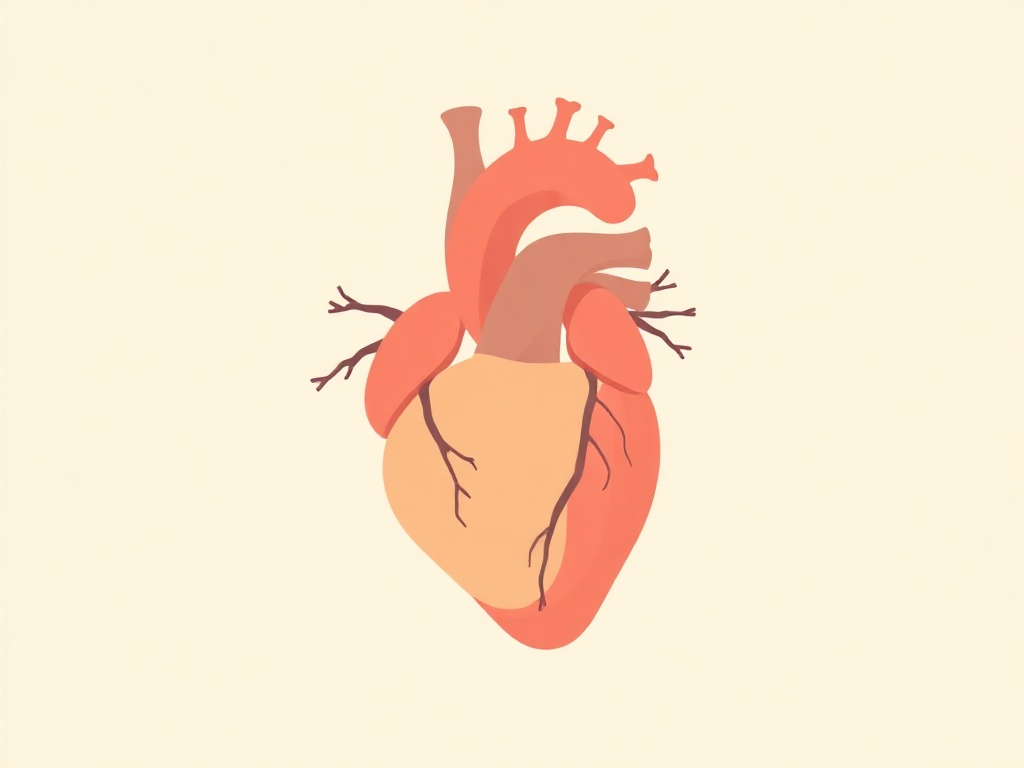
Focus on sustainable changes rather than quick fixes.
– Stop smoking and limit alcohol: Smoking sharply increases heart risk; stopping is the single best step a smoker can take. If you drink, keep intake moderate and consistent with medical guidance.
Know and control the numbers
Regular screening for blood pressure, cholesterol, and blood sugar helps identify hidden risks. Many people benefit from knowing:
– Blood pressure trends and whether lifestyle changes or medication might be needed
– LDL and HDL cholesterol levels along with triglycerides
– Fasting glucose or A1c to assess metabolic health
Work with a healthcare professional to set personalized goals and to review any family history that may require earlier or more intensive monitoring.
Manage stress and sleep
Chronic stress, poor sleep, and depression all predict worse cardiovascular outcomes.
Practices that reduce stress—mindfulness, regular physical activity, social connection, and structured relaxation—can lower blood pressure and inflammatory markers. Aim for consistent, restorative sleep; even small improvements in sleep quality can help metabolic health and mood.
Recognize warning signs
Some heart conditions present suddenly.
Seek immediate medical attention for chest pain or pressure, shortness of breath, sudden weakness or numbness on one side of the body, slurred speech, or fainting. Early treatment saves heart and brain tissue.
Medications and medical advances
When lifestyle change isn’t enough, many safe and effective medical therapies exist to reduce risk—statin therapy for cholesterol, blood pressure medications, and treatments for diabetes are examples.
Newer options expand choices for people who need more aggressive control. Discuss benefits and side effects with your clinician to find the best approach.
Practical next steps
– Schedule a primary care visit for baseline screening if you haven’t had one recently
– Pick one lifestyle habit to change this month—add a 20-minute daily walk, swap one processed meal for a whole-food option, or start a simple sleep routine
– Keep a health log for blood pressure readings, weight, and exercise to track progress
Small, consistent choices add up. Prioritize regular checkups, focus on sustainable habits, and act quickly if warning signs appear.
Those steps create the strongest foundation for long-term cardiovascular health.