Why fiber diversity matters for gut health — and how to build it into your diet
Fiber is one of the most underappreciated nutrients for long-term health. Beyond keeping digestion regular, a diverse mix of fibers feeds a wide range of beneficial gut bacteria, supports immune function, helps regulate blood sugar, and even influences mood through the gut-brain axis. Focusing on fiber diversity—rather than just fiber quantity—delivers bigger, more consistent wins for wellbeing.
What “fiber diversity” means
Fiber comes in many forms: soluble, insoluble, resistant starches, and various fermentable prebiotics such as inulin and fructooligosaccharides.
Different microbes thrive on different fibers. Eating a narrow range (for example, mostly bread and rice) may increase total fiber but limits the nutrients available to your microbiome. A diverse intake encourages a balanced microbial community that produces short-chain fatty acids like butyrate, which nourish colon cells and calm inflammation.
Practical ways to increase fiber diversity
– Rotate plant foods daily: Aim to change the types of fruits, vegetables, whole grains, nuts, and legumes you eat across the week. Variety drives microbial variety.
– Mix whole grains: Substitute quinoa, barley, oats, buckwheat, and farro for refined grains.
Each grain offers a distinct fiber profile.
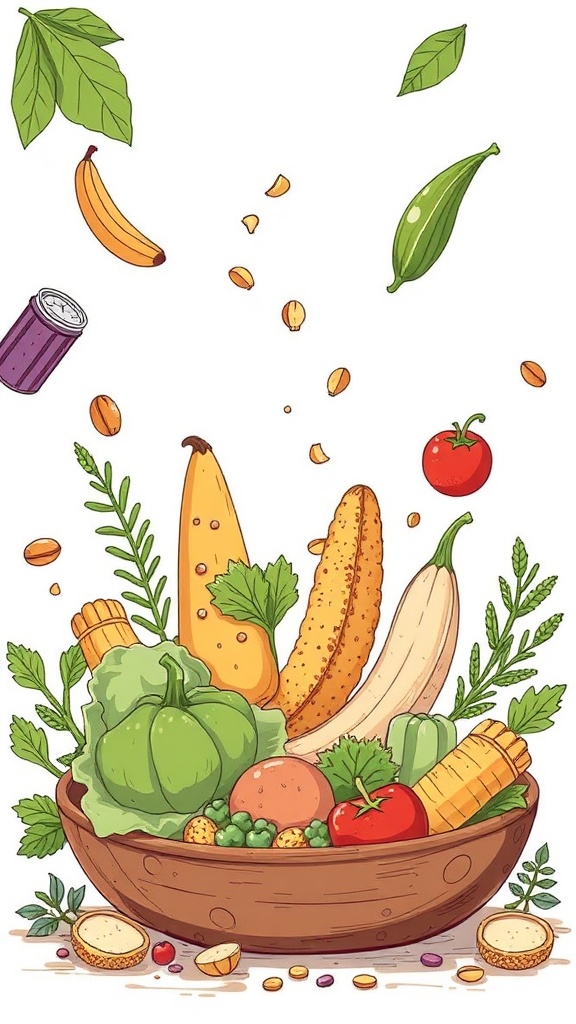
– Include legumes often: Lentils, chickpeas, and different beans provide soluble fiber and resistant starch. Try swapping one meat meal a week for a bean-based dish.
– Add resistant starch: Cool cooked potatoes, rice, or pasta contain more resistant starch after chilling—this acts like fiber in the gut.
– Eat the rainbow: Different-colored produce delivers different polyphenols and fibers.
Berries, leafy greens, orange vegetables, and alliums (onions, garlic, leeks) are especially valuable.
– Try fermented foods: Yogurt, kefir, sauerkraut, and kimchi don’t count as fiber but add helpful bacteria and complement a fiber-rich diet.
– Snack smart: Nuts, seeds, and fibrous fruits make convenient, microbiome-friendly snacks.
High-fiber foods to rotate (examples)
– Oats, barley, and buckwheat
– Lentils, chickpeas, black beans
– Apples, berries, pears
– Broccoli, carrots, Brussels sprouts
– Sweet potatoes, cooled potatoes, green bananas
– Almonds, walnuts, chia seeds, flaxseeds
– Onions, garlic, leeks
– Sauerkraut, kefir, natto
How to increase fiber without discomfort
Increase fiber gradually over several weeks and boost fluid intake to prevent bloating and constipation. Cooking methods like steaming, roasting, or pureeing can make plant fibers easier to digest.
For people with sensitive guts, a temporary trial-and-error approach helps identify which fibers cause symptoms; working with a nutrition professional can speed this troubleshooting.
Realistic daily habits
Start meals with a salad or vegetable soup, add a portion of legumes or whole grains to at least one meal, and choose fruit plus nuts for snacks.
Over time, aiming to include at least three to five different plant foods per day will markedly improve fiber diversity and support a resilient microbiome.
The payoff
A diverse-fiber diet supports steady energy, improved digestion, healthier weight management, and inflammatory balance. Small, consistent shifts—rotating grains, adding legumes, choosing whole fruits over juices—stack up quickly. Try one new plant food each week to expand your fiber repertoire and help your gut ecosystem thrive.