Smart workout routines balance consistency, intensity, and recovery so you make steady progress without burning out. Whether the goal is fat loss, strength gains, or improved mobility, designing a plan around core principles will deliver better results than jumping from trend to trend.
Core principles to build around
– Progressive overload: Gradually increase weight, reps, sets, or training density over time.
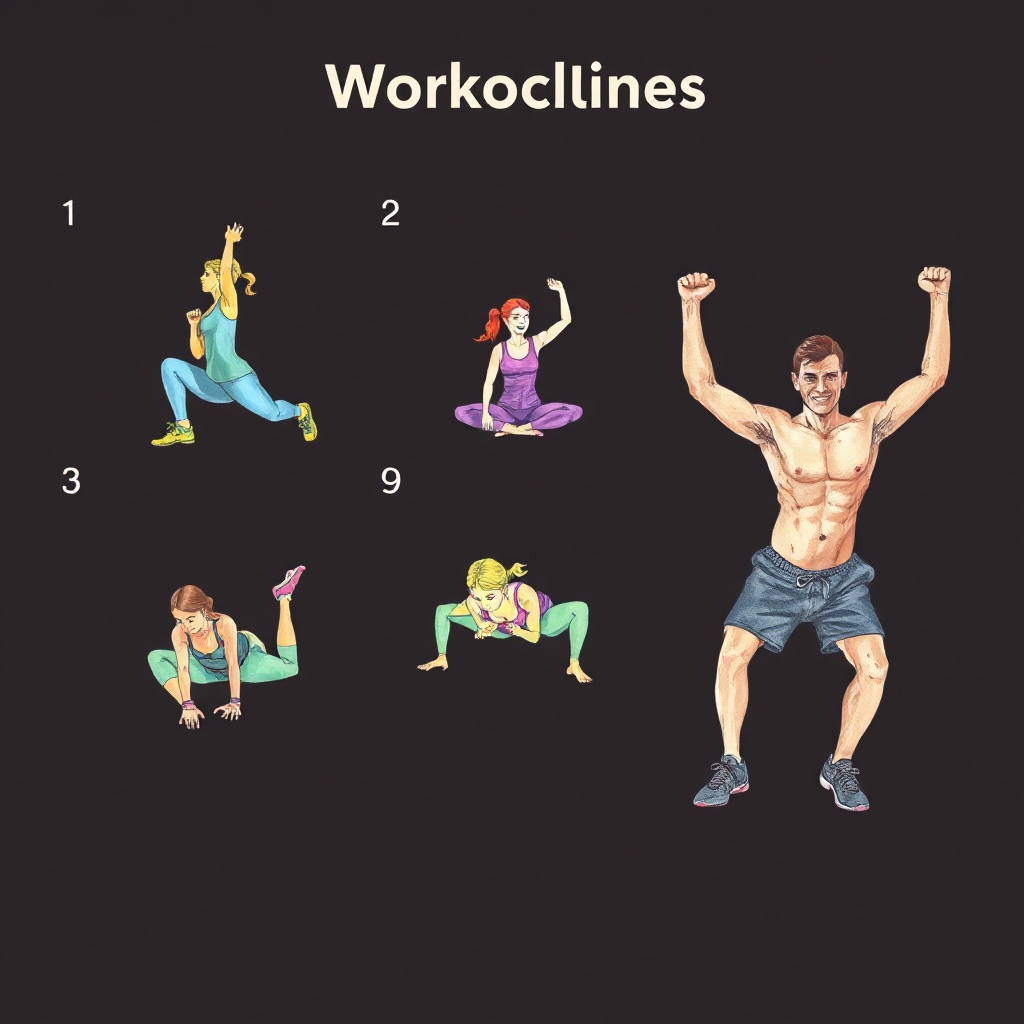
Small, consistent increments compound into meaningful strength and physique changes.
– Frequency and consistency: Hitting each major muscle group 2–3 times per week typically produces solid results for most people.
– Exercise selection: Prioritize compound movements (squats, deadlifts, presses, rows) for efficiency, then add accessory lifts to target weak points and aesthetics.
– Recovery: Quality sleep, balanced nutrition, and active recovery are as important as the workouts themselves. Training quality goes down if recovery is ignored.
– Mobility and stability: Spend time on joint mobility and movement quality to reduce injury risk and improve performance under load.
Sample plans to fit different schedules
– Beginner — 3-day full-body (alternating A/B)
– Workout A: Squat 3×6–8, Push (bench or push-up) 3×6–8, Row 3×8–10, Core 2×10–15
– Workout B: Deadlift or hinge 3×5–6, Overhead press 3×6–8, Pull-up/lat pulldown 3×8–10, Mobility 5–10 minutes
– Aim: 3 non-consecutive days per week. Increase reps or load when target rep range becomes manageable.
– Intermediate — 4-day upper/lower split
– Upper 1: Bench press 4×5–8, Row variation 4×6–8, Incline dumbbell 3×8–12, Face pulls 3×12–15
– Lower 1: Squat 4×5–8, Romanian deadlift 3×6–10, Lunges 3×8–12, Calf raises 3×12–15
– Upper 2: Overhead press 4×5–8, Pull-ups 4×6–10, Dips 3×8–12, Biceps 2×10–12
– Lower 2: Deadlift variation 3×4–6, Front squat or leg press 3×6–10, Hamstring curls 3×10–15, Core work
– Aim: 4 sessions spread across the week, with at least one rest or active-recovery day mid-week.
– Time-crunched — 20–30 minute HIIT or circuit
– 5-minute warm-up, then 3–4 rounds of: 40s work/20s rest circuits mixing kettlebell swings, push-ups, squats, rows, and planks.
– Best for conditioning and calorie burn; combine with 2–3 strength sessions weekly for balance.
Programming details that matter
– Rep ranges: Strength-focused lifts often use lower reps (3–6), hypertrophy benefits from moderate reps (8–12), and endurance from higher reps (12+). Mix ranges across the week.
– Rest intervals: 2–3 minutes for heavy strength sets, 30–90 seconds for hypertrophy and conditioning.
– Tempo and control: Slowing eccentric (lowering) phases and ensuring full-range contractions enhance muscle growth and joint health.
– Deload and progression: Schedule lighter weeks every 4–8 weeks or when performance stalls. Use training logs to track weights, reps, and how sessions felt.
Recovery and lifestyle
– Prioritize sleep and protein intake to support muscle repair.
Hydration and micronutrient variety help sustain energy and immune function.
– Use active recovery days (walking, mobility, gentle cycling) to maintain circulation without taxing the nervous system.
– Listen to pain vs.
soreness: sharp or persistent joint pain warrants assessment; general muscle soreness is normal after challenging sessions.
Final tip: pick a sustainable routine and focus on gradual, trackable improvements. Consistency plus smart adjustments wins over intensity-only approaches.