Plant-forward eating is more than a trend—it’s a flexible, science-backed approach that emphasizes whole plant foods without requiring strict exclusion of animal products.
This way of eating supports nutrient density, fiber intake, and overall health while being easier to sustain than many rigid diets.
Why plant-forward works
– Nutrient density: Vegetables, fruits, legumes, whole grains, nuts, and seeds deliver vitamins, minerals, antioxidants, and phytonutrients that support immune function, heart health, and cellular repair.
– Fiber and gut health: Higher fiber intake promotes a diverse gut microbiome, regular digestion, and improved satiety. Fiber-rich meals help regulate blood sugar and support healthy cholesterol levels.
– Reduced chronic disease risk: Diets that emphasize plants are associated with lower risk of cardiovascular disease, type 2 diabetes, and some cancers—largely due to improved weight management, anti-inflammatory compounds, and better blood lipid profiles.
– Sustainable and flexible: A plant-forward pattern reduces reliance on highly processed foods and makes it easier to incorporate sustainable choices without fully eliminating animal proteins.
Practical principles to follow
– Make plants the main event: Center meals around vegetables, whole grains, and legumes. Think a bowl where vegetables and grains take up more space than animal protein.
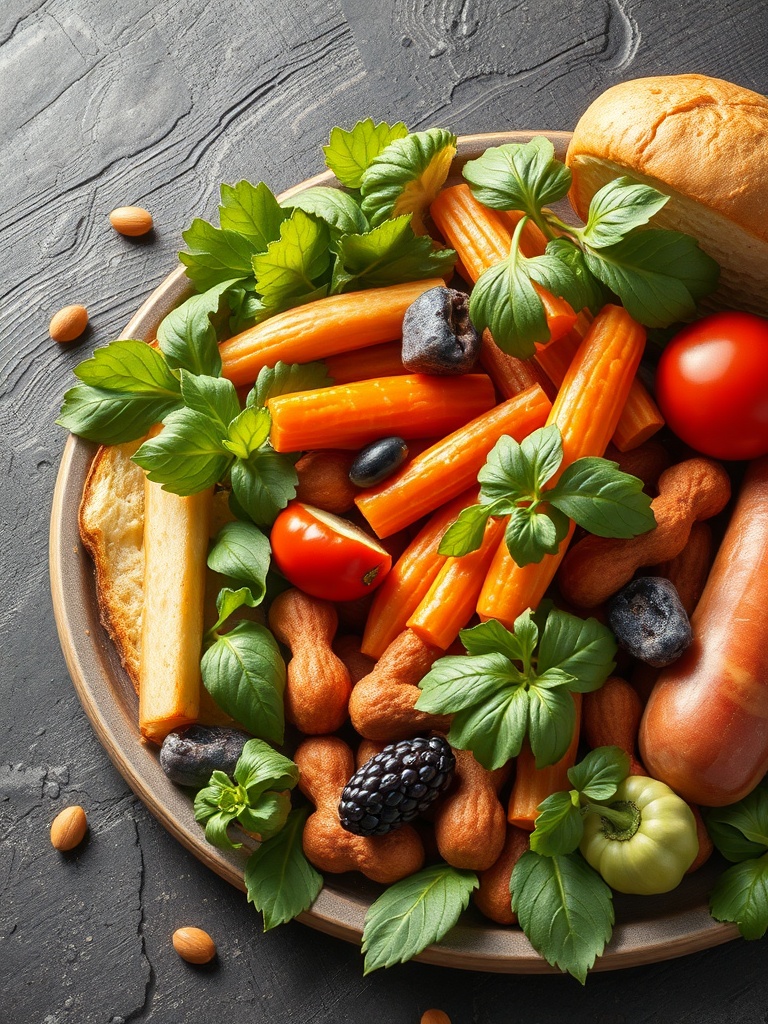
– Prioritize variety and color: Different colored produce provides distinct sets of phytonutrients. Aim to include leafy greens, orange and red vegetables, cruciferous veggies, and berries across the week.
– Choose whole over processed: Swap refined grains, sugary snacks, and ultra-processed meat substitutes for minimally processed options like brown rice, oats, lentils, and whole fruits.
– Include high-quality protein: Combine plant proteins (beans, lentils, tofu, tempeh, edamame, quinoa) with small amounts of fish, poultry, dairy, or eggs if you choose.
This helps meet protein needs and provides essential amino acids.
– Don’t forget healthy fats: Avocado, olive oil, nuts, and seeds support nutrient absorption and cardiovascular health. Use them as dressing, spreads, or snacks.
Simple swaps to start
– Replace half the meat in tacos with black or pinto beans.
– Use mashed chickpeas and herbs as a sandwich filling instead of processed deli meat.
– Turn pasta dishes into power bowls by adding sautéed mushrooms, spinach, and white beans.
– Replace one red-meat dinner per week with a legume-based chili or a vegetable curry with brown rice.
Addressing common concerns
– Protein: Most people can meet protein needs with a plant-forward pattern by including a variety of plant proteins throughout the day. Athletes and those with higher needs should pay attention to protein distribution and consider higher-protein plant foods like lentils, tempeh, and spirulina.
– Iron and B12: Plant foods contain non-heme iron, which is less readily absorbed than heme iron.
Pair iron-rich plant foods (lentils, spinach, fortified cereals) with vitamin C sources (citrus, bell peppers) to boost absorption. Vitamin B12 is not reliably available from plants—those following a largely plant-based diet should use fortified foods or a supplement after discussing options with a healthcare professional.
– Cost and accessibility: Beans, lentils, frozen vegetables, oats, and whole grains are budget-friendly staples that extend meals and improve nutrition without high expense.
Meal ideas to try
– Breakfast: Oatmeal topped with chopped nuts, chia seeds, and berries.
– Lunch: Grain bowl with quinoa, roasted sweet potato, chickpeas, kale, and tahini dressing.
– Dinner: Stir-fry with tofu, broccoli, bell peppers, and brown rice; finish with sesame seeds.
– Snack: Apple slices with almond butter or a small handful of mixed nuts.
A plant-forward approach balances nutrition, enjoyment, and sustainability.
By focusing on whole, varied plants and practical swaps, it’s possible to improve health outcomes while keeping meals satisfying and easy to prepare.