Pilates: Why it’s worth adding to your fitness routine — and how to get started
Pilates has evolved from a niche movement practice into a versatile fitness method valued for building core strength, improving posture, and enhancing mobility.
Its focus on precision, breathing, and controlled movement makes it useful for athletes, desk workers, and people recovering from injury.
Here’s what to know if you’re curious about adding Pilates to your routine.
Core benefits of Pilates
– Improved core stability: Pilates targets the deep abdominal and pelvic muscles that support the spine, helping reduce back pain and improve balance.
– Better posture and alignment: Exercises emphasize scapular stability and neutral spine, which counteracts the effects of prolonged sitting.
– Increased mobility and flexibility: Slow, controlled movements lengthen muscles and improve joint range of motion without aggressive stretching.
– Mind-body connection: Focused breathing and concentration promote better movement patterns and body awareness.
– Injury prevention and rehabilitation: Many physical therapists incorporate Pilates principles to restore function and reduce re-injury risk.
Reformer vs. mat: choosing what’s right for you
Mat Pilates is accessible, requires minimal equipment, and translates easily to home workouts.
It’s an excellent entry point for beginners and provides a solid foundation in technique.
Reformer Pilates uses a spring-loaded carriage to add resistance and support.
The reformer can be gentler on joints while offering more progressive resistance, making it ideal for those seeking strength gains or more variety. If you enjoy personalized feedback and faster progress, reformer classes or private sessions are worth considering.
What to expect in class
A typical Pilates session focuses on breathing, alignment, and a sequence of exercises that target the whole body. Movements are intentional and often repeated 5–10 times with precise cueing. Expect instructors to emphasize neutral pelvis, rib placement, and coordinated inhale/exhale patterns. Quality of movement matters far more than speed or quantity.
Common mistakes and how to fix them
– Holding the neck: Avoid pulling on the head during ab exercises.
Support the head lightly with hands and use the abs to lift.
– Overarching the lower back: Maintain a neutral spine; think about lengthening rather than folding into the lumbar region.
– Breath-holding: Coordinate breath with movement—exhale to contract and inhale to prepare.
– Moving too quickly: Slow, controlled reps increase muscle engagement and reduce momentum-driven movement.
– Ignoring modifications: Use props, lighter resistance, or regression options rather than pushing through discomfort.
Safety and choosing an instructor
Look for instructors with recognized certifications and experience working with your specific goals or conditions. Share medical history and current pain or injuries before class.
Pregnant clients or those with significant health issues should consult a healthcare professional and look for prenatal or therapeutic Pilates options.
Trends and variations
Pilates continues to expand through hybrid classes that blend it with barre, small-group reformer training, or low-impact cardio intervals. Online tutorials and livestream classes make practice convenient, but consider in-person sessions when learning fundamentals to ensure proper alignment and prevent compensation patterns.
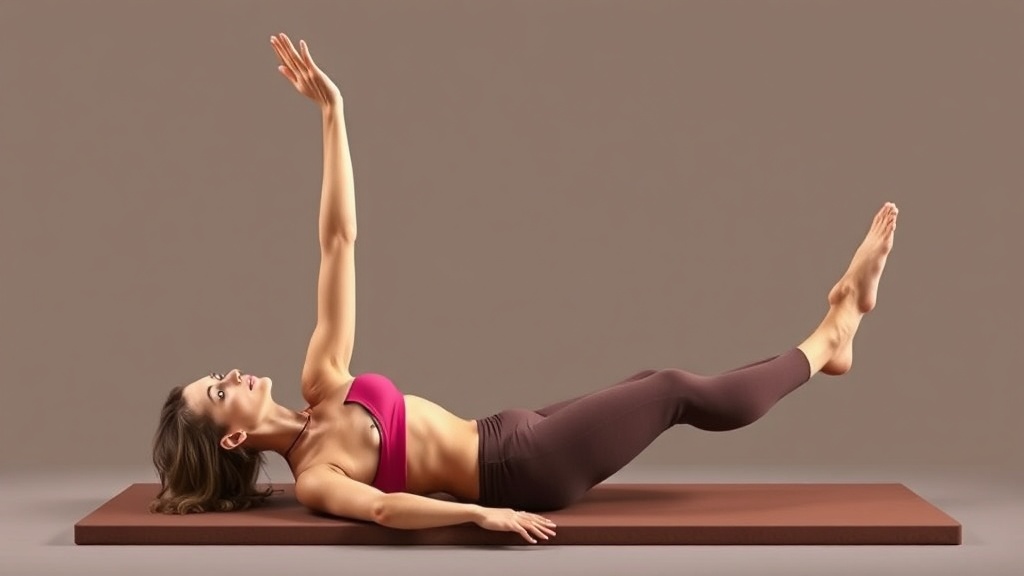
How to start
Begin with a beginner mat class or a single private session for personalized instruction. Aim for consistency—two to three focused sessions per week yields noticeable improvements in strength and posture.
Keep expectations realistic: steady progress and attention to form deliver the most lasting results.
Whether your goal is rehab, athletic performance, or better posture, Pilates offers a low-impact, highly adaptable approach to move smarter and feel stronger.
Try a class with clear instruction, prioritize technique, and build a practice that fits your body and lifestyle.