Pilates: Boosting Health and Fitness
In our fast-paced, digitally saturated lives, taking a moment to focus on our physical and mental health is more valuable than ever. One wellness routine that has gained significant attention in recent years is Pilates.
Rooted in principles of balance, concentration, control, precision, breath, and flow, Pilates has become a popular choice for those seeking a holistic approach to fitness.
Pilates Rises to Prominence
Pilates is not just another exercise trend. This method was developed in the early 20th century by Joseph Pilates, who designed it to facilitate rehabilitation and injury prevention. Today, it’s a globally recognized workout regimen, with classes offered in fitness studios, community centers, and even online platforms. The allure of Pilates lies in its adaptable routines, making it accommodating for all fitness levels, from beginners to seasoned athletes.
Benefits of Pilates
Pilates primarily focuses on strengthening the body’s core, although it also promotes overall muscle tone, flexibility, and balance. This focus on core strength assists in achieving better posture, relieving back pain, and even aiding in injury prevention.
Moreover, Pilates’ emphasis on measured, controlled movements and proper breathing techniques can provide mental benefits akin to yoga. Regular practice can lead to improved concentration, stress reduction, and increased body awareness.
Pilates for Everyone
One of the most appealing aspects of Pilates is its inclusivity. Regardless of age, fitness level, or physical abilities, anyone can benefit from this exercise method. There are specific routines for pregnant women, aiding in maintaining strength and stability during pregnancy. For older adults, Pilates can help maintain mobility, balance, and bone density. Athletes also incorporate Pilates into their training regimen to enhance performance and coordination.
Pilates in the Digital Age
In today’s digital world, Pilates has become more accessible than ever.
With a plethora of online resources, individuals can engage in Pilates from the comfort of their homes. From getting started with basic movements to practicing advanced techniques, people now have the flexibility to choose when, where, and how they want to engage in their fitness routine.
Choosing the Right Pilates Class
When choosing a Pilates class, it’s essential to consider your fitness level and goals. Beginner classes usually offer a slower pace with more detailed instruction, while intermediate and advanced classes provide a more challenging workout.
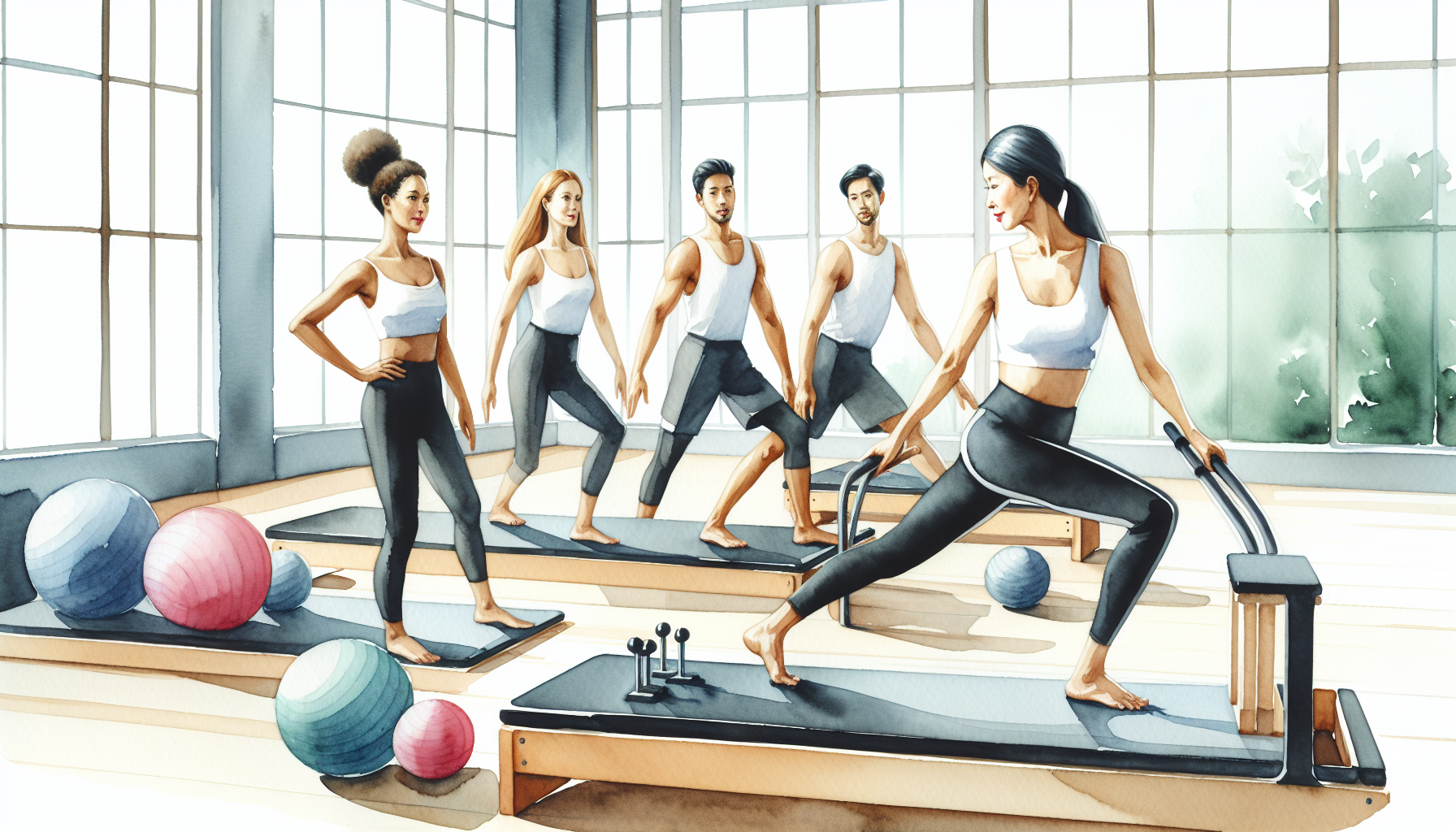
Additionally, it’s worth exploring the two primary forms of Pilates: mat and reformer. Mat Pilates uses your body weight and gravity to provide resistance, and is typically the form you’ll find in a group class at a gym. Reformer Pilates, on the other hand, uses a specialized piece of equipment (the reformer) to provide added resistance and a more intense workout.
The Takeaway
In a world that often overlooks the importance of physical and mental well-being, Pilates stands out as a holistic approach to health and fitness. With its versatility, inclusivity, and adaptability, it’s no wonder that this method continues to gain popularity.
Whether you’re looking to boost your physical fitness, improve your mental health, or simply try something new, Pilates offers a way to meet these goals in a balanced and accessible way, all while promoting a more mindful approach to exercise.
Remember, the best way to understand Pilates is to experience it, so why not give it a try today?