Pilates: How it Builds Strength, Mobility, and Better Movement Habits
Pilates is a low-impact movement system focused on core stability, efficient alignment, and controlled mobility. Whether practiced on a mat or using specialized equipment like the reformer, Pilates trains the body to move with precision and purpose — improving posture, reducing pain risk, and enhancing performance across everyday tasks and athletic pursuits.
Why Pilates works
At its core, Pilates emphasizes breath, alignment, and mindful control. Exercises target the deep stabilizers around the spine, pelvis, and ribcage — often called the “powerhouse” — to create a stable foundation for movement. This coordinated approach improves muscular balance, joint mobility, and movement efficiency, which can help with back pain, hunched posture, and common overuse issues.
Types of Pilates
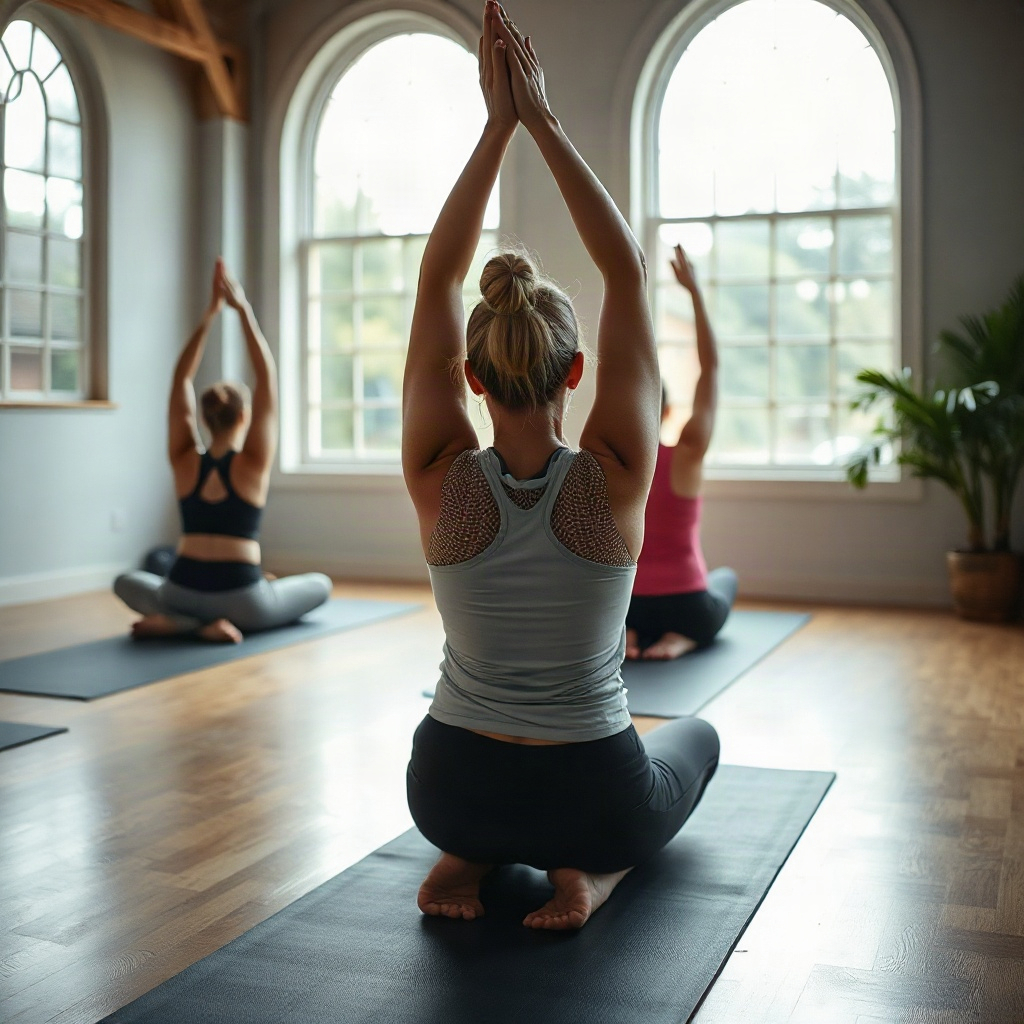
– Mat Pilates: Uses bodyweight and minimal props (bands, small balls) to build control and endurance.
Great for accessibility and home practice.
– Reformer Pilates: Uses a spring-loaded carriage to add resistance and assistance, enabling a wider range of progressions and variations.
Ideal for rehabilitation and strength building.
– Contemporary vs Classical: Contemporary Pilates integrates modern exercise science and modifications; classical follows original sequences. Both are effective when taught with attention to alignment and progression.
Benefits people notice
– Stronger core and improved posture
– Greater joint mobility and flexibility without sacrificing control
– Reduced low-back and neck discomfort when practiced correctly
– Better balance and coordination for daily tasks and sports
– Enhanced body awareness that translates to safer movement choices
Who should try Pilates
Pilates is suitable for most people: beginners, office workers, runners, dancers, and older adults seeking safe strength work.
It’s also widely used in rehab settings.
People with specific medical conditions or pregnancy should seek guidance from a trained instructor or healthcare provider to ensure appropriate modifications.
Smart practice tips
– Focus on breath: Inhale to prepare, exhale to initiate controlled movement. Breath helps maintain ribcage connection and core engagement.
– Prioritize quality over quantity: Slow, precise repetitions build more durable strength than rushing through high reps.
– Maintain a neutral spine: Learn pelvic positioning and neutral ribs to protect the lower back during many exercises.
– Progress gradually: Increase resistance, range, or complexity only after mastering form.
– Mix formats: Combine mat and reformer work, or pair Pilates with light cardio or strength sessions for balanced fitness.
Common mistakes to avoid
– Over-bracing the abdominals, which restricts movement and breath
– Letting shoulders creep up toward the ears instead of maintaining long neck alignment
– Sacrificing form for more reps or advanced variations
– Neglecting pelvic floor and diaphragmatic coordination during breath
Choosing the right class or instructor
Look for instructors with reputable training, a focus on individualized cues, and a willingness to modify exercises for injuries or limitations. Try a beginner-friendly class to learn fundamentals, and consider a private session for tailored feedback. For home practice, choose short guided sessions that emphasize technique rather than fast-paced routines.
Getting started
Aim for two to three focused sessions per week to build consistency and observe meaningful improvements in posture, core control, and mobility.
Small changes in daily movement — sitting with organized posture, engaging the deep core when lifting — amplify Pilates benefits outside the studio.
Pilates is a sustainable, adaptable way to move better, reduce pain risk, and build functional strength. Approach it with patience, attention to form, and gradual progression to get long-lasting results.