Yoga that fits a busy life: short, effective practices for stress relief and better posture
Yoga is an accessible tool for reducing stress, improving posture, and restoring energy—even when time is tight. A few focused minutes of breath-aware movement can lower tension, sharpen focus, and undo hours spent at a desk. The guidance below offers easy, actionable techniques and a micro-routine anyone can do between meetings or at the end of the workday.
Why focus on breath and alignment
Breath is the bridge between mind and body. Diaphragmatic breathing (breathing from the belly) lowers the nervous system’s alert state and supports deeper movement. Pairing breath with simple alignment-focused poses reduces neck and shoulder strain, counteracts slouching, and promotes circulation. This approach benefits beginners and experienced practitioners alike.
Quick breathing practices to reset
– Diaphragmatic breath: Sit or lie down, place one hand on the belly and the other on the chest. Inhale slowly so the belly rises, exhale so it falls.
Aim for smooth, even cycles for one to three minutes.
– Box breathing: Inhale for a count, hold the same count, exhale the same count, hold the same count. Start with shorter counts and extend as comfortable.
– Ujjayi-like breath: Slightly constrict the back of the throat for a soft ocean sound during inhalation and exhalation; use it to steady movement during a short flow.
A five-pose micro-routine for desk-bound bodies (5–12 minutes)
1. Neck release (1 minute)
– Sit tall. Drop the right ear toward the right shoulder, lengthen the left side of the neck. Breathe into the stretch, switch sides.
2. Cat-Cow (1–2 minutes)
– On hands and knees, inhale to arch the spine and drop the belly (cow); exhale to round the spine and tuck the chin (cat). Move with the breath to lubricate the spine.
3. Downward-facing movement (1–2 minutes)
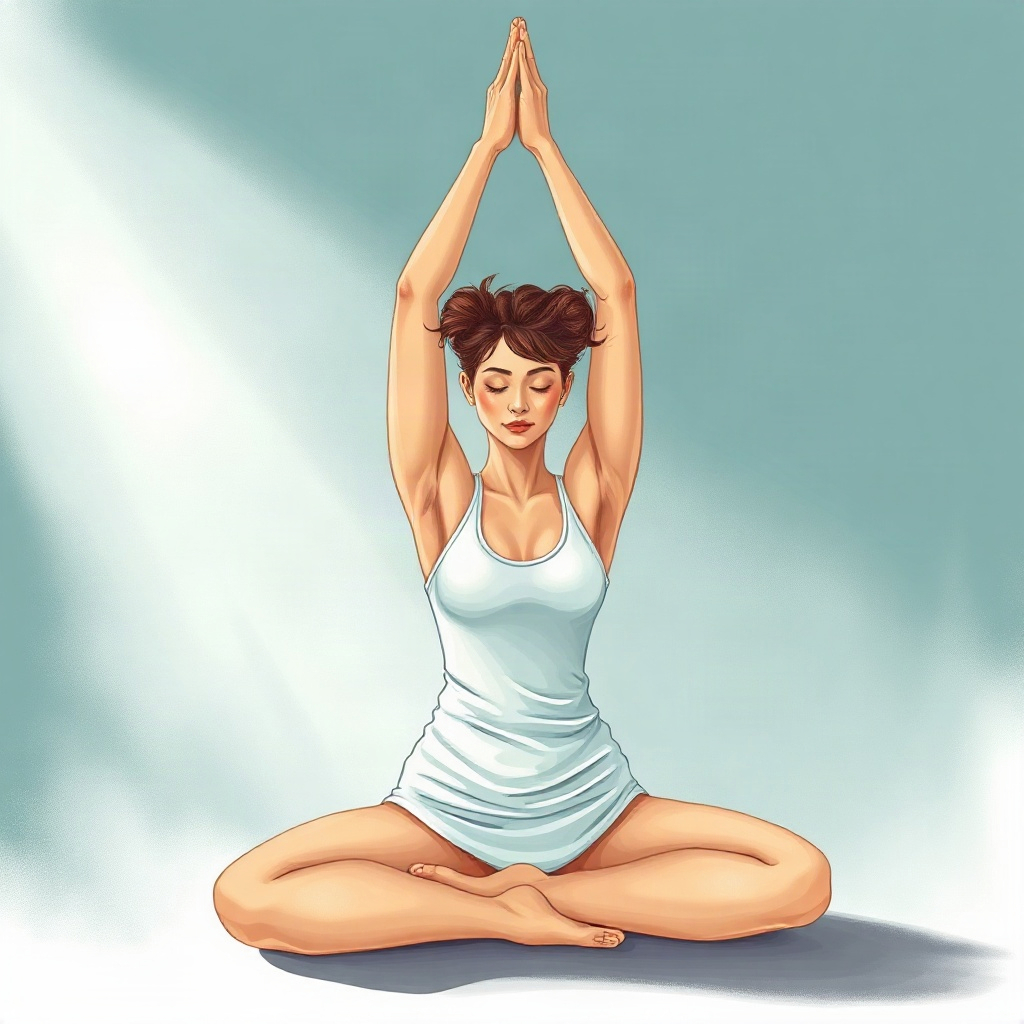
– From hands and knees, push back into a gentle downward-facing shape.
Pedal the feet, bend one knee and then the other to stretch calves and hamstrings. Breathe steadily.
4. Low lunge with rotation (1–2 minutes each side)
– Step one foot forward between the hands, knee over ankle.
Lift the torso, reach the opposite arm up and twist toward the front leg. This opens hips and thoracic spine.
5. Legs-up-the-wall or reclined relaxation (2–4 minutes)
– Lie on your back and elevate the legs against a wall or on a chair. Close the eyes and follow easy diaphragmatic breaths to calm the nervous system.
How to make yoga stick when life is busy
– Micro-sessions beat perfection: Short, consistent sessions often build habit faster than occasional long classes. Aim for mini-practices that feel achievable.
– Anchor to existing routines: Pair a short practice with morning coffee, a lunch break, or the end of the workday to create a reliable cue.
– Prioritize intention over intensity: Set one small focus—stress relief, posture, or mobility—and measure success by how you feel rather than by length or difficulty.
– Use props and ergonomics: Cushions, blocks, or a rolled towel support form; an ergonomic chair and monitor at eye level reduce the need for corrective work.
Benefits you’ll notice quickly
Even brief, regular practice improves breathing patterns, reduces shoulder and neck tension, and boosts mental clarity. Over time, micro-practices increase mobility, promote better posture, and support emotional resilience.
Try this now: set a three-minute timer and complete the neck release, one round of cat-cow, and five diaphragmatic breaths. Small steps consistently taken create meaningful change and make yoga a practical tool for everyday wellbeing.