Smart choices for fitness gear: what to buy, what to skip, and how to keep it lasting
Choosing the right fitness gear can make workouts safer, more effective, and more enjoyable—whether you train at home, at the gym, or outdoors. Focus on functionality, durability, and fit rather than hype. Below are practical guidelines to help you pick equipment that supports your goals and holds up to regular use.
Start with your goals and space
– Strength: prioritize adjustable dumbbells, kettlebells, or a compact barbell set that offer progressive loading without taking much space. Look for secure locking mechanisms and solid construction.
– Cardio: if space is limited, consider a compact rowing machine, foldable treadmill, or a quality jump rope. Check noise levels and footprint so the equipment fits your living situation.
– Mobility and recovery: a foam roller, massage ball, and a stable yoga mat are low-cost items that add big benefits for flexibility and injury prevention.
What to look for by product
– Adjustable weights: smooth, easy weight changes; sturdy materials (steel or high-density composite); compact storage; clear increment markings.
– Resistance bands: varied resistance levels, durable material that resists snapping, and secure anchors.
Consider fabric-based bands for higher resistance and less skin irritation.
– Cardio machines: stable build, intuitive console or app connectivity, easy maintenance access, and reasonable warranty terms. Motor power and incline capabilities matter for treadmills; resistance systems matter for bikes and rowers.
– Wearables and earbuds: prioritize accurate heart-rate tracking, reliable Bluetooth pairing, long battery life, and water/sweat resistance. For earbuds, consider fit and passive noise isolation for safety during outdoor runs.
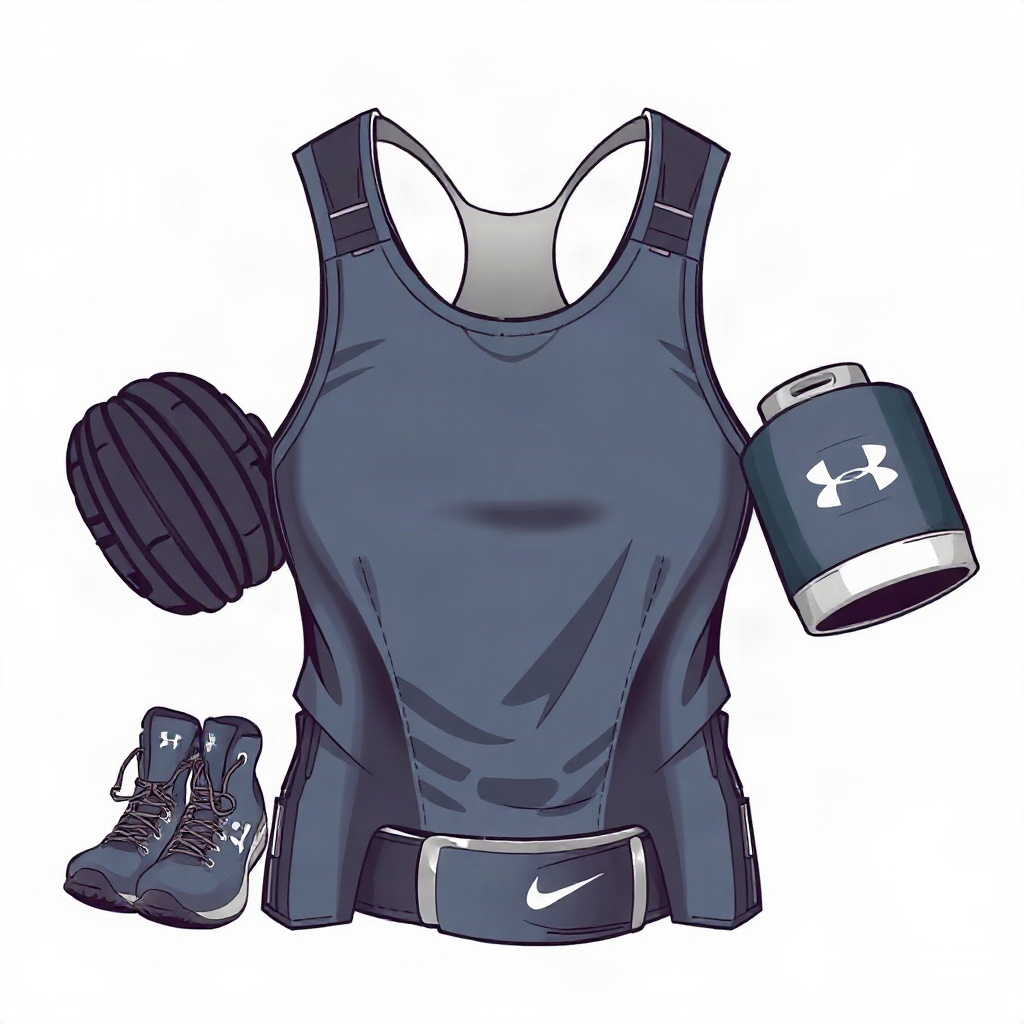
– Shoes and apparel: fit and function first—support and cushioning that match your activity. Moisture-wicking, breathable fabrics and flat seams reduce chafing. Compression items can aid recovery when used appropriately.
– Mats and flooring: thickness and density determine joint protection. Opt for non-slip surfaces, especially for lifting or dynamic movement.
Durability and sustainability
Choose gear built to last. Look for reinforced stress points, corrosion-resistant finishes, and replaceable parts.
Sustainable options—recycled fabrics, repairable components, or buy-back programs—reduce waste and often signal higher-quality design. Consider certified materials or transparent manufacturing practices if sustainability matters to you.
Maintenance and safety
– Inspect bands and straps for tearing; retire damaged ones immediately.
– Keep metal components dry and use appropriate lubricant for moving parts.
– Wipe down mats, handles, and garments after use to prevent odor and bacterial buildup—use a gentle cleaner and air-dry fully.
– Follow progressive loading: increase weight or intensity gradually and prioritize form to prevent injuries.
– Keep firmware and apps updated for connected devices to ensure accuracy and security.
Budget and longevity
Spend where it matters: a cheap set of weights that deforms quickly ends up more expensive than a mid-range, durable set.
For wearable tech, consider battery life and software support rather than only flashy features. If buying used, inspect for wear on high-stress parts and ask about maintenance history.
Final tips
Buy with a returns policy and warranty in mind, try apparel and shoes in person when possible, and read recent user reviews focused on long-term use.
Thoughtful investments in quality, fit, and maintenance will make your fitness gear pay dividends across countless sessions.