Yoga remains one of the most accessible tools for improving physical mobility, calming the nervous system, and building resilience to daily stress. Whether you’re new to the mat or returning after a break, focusing on breath, alignment, and gentle progression delivers consistent benefits without needing fancy equipment.
Why yoga works
Yoga combines movement, breathwork, and mindful attention. That combination helps reduce stress hormones, improve flexibility and balance, and support better sleep. For desk-bound workers, simple yoga sequences can relieve neck and shoulder tension, counteract poor posture, and restore energy. For athletes, targeted mobility work enhances performance while lowering injury risk. Because the practice scales easily, it can be adapted for every body and fitness level.
Quick benefits people notice
– Reduced stress and anxiety through regulated breathing and mindful focus.
– Improved posture and reduced back pain from hip-opening and spinal-lengthening poses.
– Better balance and coordination by strengthening stabilizing muscles.
– Enhanced sleep quality when incorporating calming evening practices.
– Increased body awareness that supports healthier movement and injury prevention.
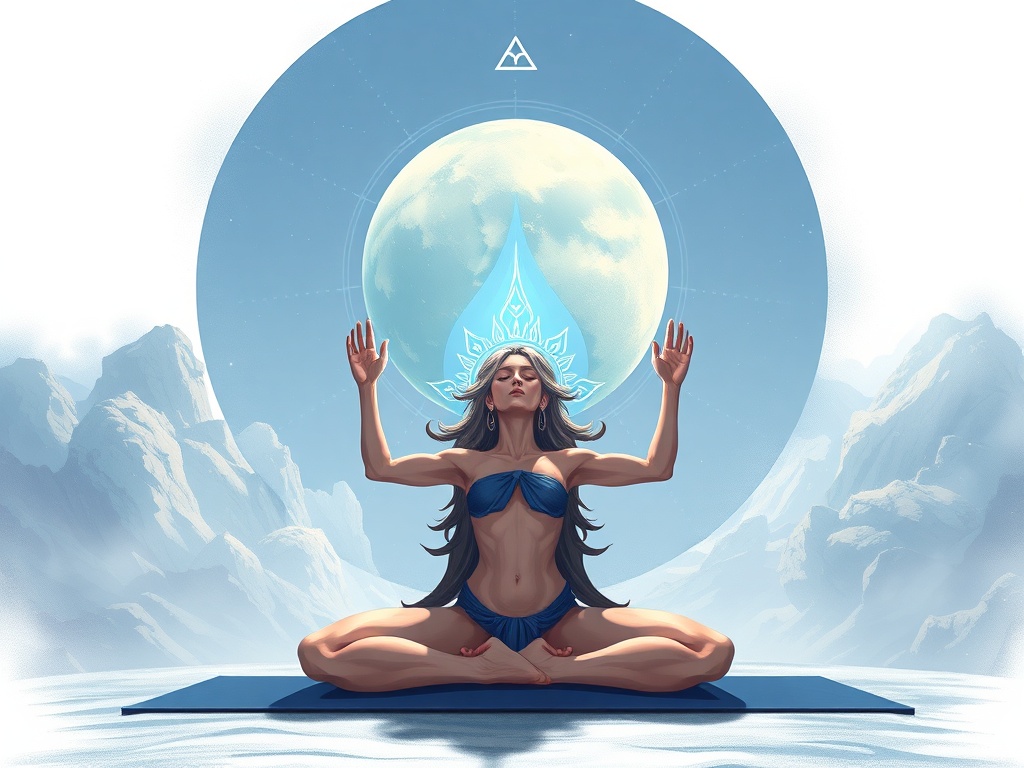
A practical 10-minute stress-relief yoga sequence
This short routine is designed for a busy schedule and can be practiced on a carpet or yoga mat.
Move slowly, synchronize breaths with movement, and avoid pushing into pain.
1. Seated breath awareness (1 minute)
– Sit tall or cross-legged. Close the eyes and breathe deeply through the nose for five slow cycles. Focus on expanding the belly then the ribcage.
2. Neck release (1 minute)
– Drop the right ear to the right shoulder, breathe three times, then gently roll chin toward chest and over to the left. Repeat on both sides.
3. Cat-Cow (1 minute)
– On hands and knees, inhale to arch the back and lift the gaze (Cow), exhale to round the spine and tuck the chin (Cat). Flow for six to eight breaths.
4.
Thread-the-Needle (1 minute)
– From all fours, slide the right arm under the left, lowering the right shoulder and ear to the mat. Breathe and repeat on the other side.
5. Low Lunge with side stretch (2 minutes)
– Step the right foot forward between the hands, lower the left knee. Inhale to lift the torso, reach the right arm up and over for a side stretch. Hold three breaths, switch sides.
6. Seated forward fold (2 minutes)
– Sit with legs extended or slightly bent, hinge from the hips and fold forward with a long spine. Breathe deeply and soften into the stretch.
7. Legs-up-the-wall or Savasana (2 minutes)
– Finish with a restorative posture.
Legs-up-the-wall calms the nervous system and relieves lower-body fatigue; a short Savasana with palms up encourages full relaxation.
Modifications and props
Use blocks under the hands in lunges, a folded blanket under knees, or a strap around the feet in forward folds. Chairs work well for seated variations if getting down to the floor is difficult.
Breath is the primary tool—slow nasal breathing activates the calming parasympathetic response regardless of the pose.
Integrating yoga into daily life
Aim for short, consistent sessions rather than occasional long practices. Five to fifteen minutes each day builds momentum, supports habit formation, and reduces the friction that keeps people from practicing. Combine a morning mobility sequence with an evening calming routine to bookend the day.
Yoga is less about perfect alignment and more about consistent attention to the breath, body, and mind.
Start small, stay consistent, and explore variations that honor your body’s needs—progress naturally follows.