Yoga is one of the most accessible ways to build strength, reduce stress, and improve flexibility. Whether you want a gentle daily ritual, a challenging physical practice, or a tool for mental clarity, yoga adapts to your goals and lifestyle.
This article covers practical benefits, popular styles, and simple steps to make yoga a consistent habit.
Why yoga works
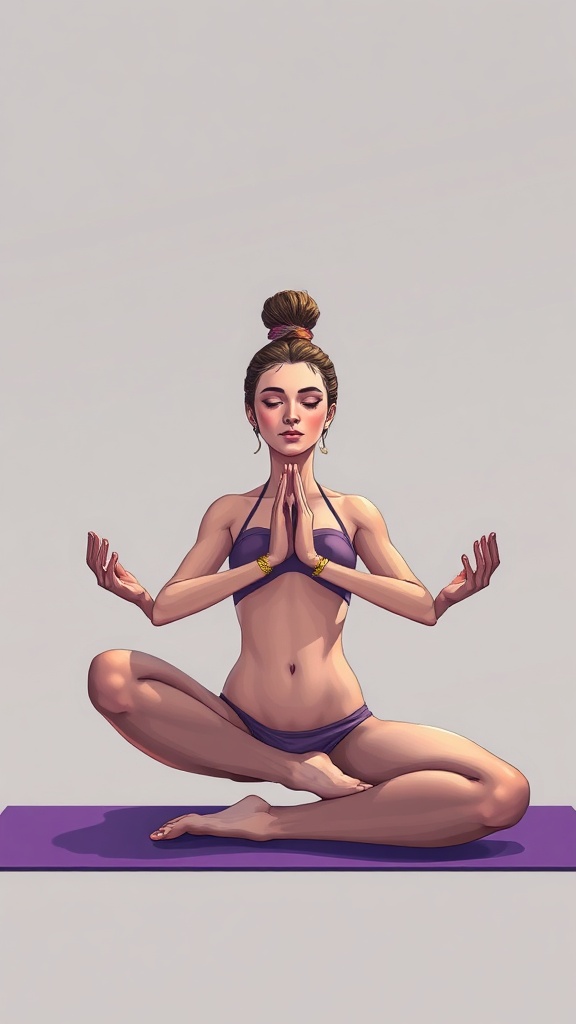
Yoga combines physical postures, breath control, and mindful attention. That three-part formula helps regulate the nervous system, improve posture and joint mobility, and lower stress hormones. Breath-focused practices calm the mind quickly, while movement-based sessions boost circulation and muscular endurance. Because yoga trains both body and mind, it’s especially effective for people seeking holistic wellness.
Popular styles and what they offer
– Hatha: Gentle, foundational poses and slower pacing.
Great for beginners and for learning alignment.
– Vinyasa: Flowing sequences linked to breath. Builds cardiovascular fitness and balance.
– Ashtanga/Power: More demanding, structured sequences that develop strength and stamina.
– Restorative/Yin: Long-held, passive poses that promote deep relaxation and connective tissue health.
– Iyengar: Precision-based, uses props to refine alignment — excellent for injury rehabilitation and accessibility.
Breathwork and mindfulness
Pranayama, or breath control, is central to many practices.
Simple techniques like diaphragmatic breathing, alternate nostril breathing, and box breathing reduce anxiety and improve focus.
Even a short breathwork session before sleep or a stressful meeting can create noticeable calm.
Practical tips for beginners
– Start small: Short sessions (10–20 minutes) most days build consistency faster than occasional long classes.
– Focus on foundational poses: Downward dog, child’s pose, plank, warrior II, and bridge cover strength, mobility, and balance.
– Use props: Blocks, straps, and bolsters make poses safer and more accessible.
– Prioritize alignment: Quality over quantity prevents injury and yields better results.
– Mix modalities: Combine a restorative session with a more active practice during the week for balanced benefits.
Adapting yoga to life stages and conditions
Yoga is adaptable across ages and fitness levels. Prenatal-friendly classes, chair yoga for limited mobility, and therapeutic sequences for chronic pain can be customized by an instructor or healthcare professional. Always consult a clinician if dealing with a serious medical condition, and inform instructors about injuries or restrictions.
Making yoga stick
Consistency beats intensity. Create a specific cue and routine: a morning stretch after waking, a lunchtime breath session, or five minutes of gentle poses before bed.
Track progress through small goals like holding plank longer, improving hip mobility, or noticing reduced tension. Joining a local studio or reliable online class can provide structure and accountability.
Choosing the right class or teacher
Look for instructors who emphasize alignment, safety, and modifications rather than extreme flexibility or acrobatics. Read class descriptions and sample different teachers to find a style and approach that resonates. Many educators offer short trial periods or drop-in classes—use these to test compatibility.
Yoga is more than exercise; it’s a framework for sustainable wellbeing.
By focusing on breath, alignment, and regular practice, anyone can enjoy the physical and mental benefits yoga offers. Start small, stay curious, and let the practice evolve with personal needs and goals.