Pilates remains one of the most effective low-impact movement practices for building core strength, improving posture, and enhancing body awareness. Whether you prefer mat work or reformer sessions, a consistent Pilates practice supports mobility, balance, and a resilient spine — benefits that translate directly to everyday movement and athletic pursuits.
Why Pilates works
Pilates emphasizes breath, alignment, and controlled movement. Exercises target the deep stabilizing muscles of the trunk — often called the “powerhouse” — which support the pelvis and spine. Rather than forcing large ranges of motion, Pilates trains efficiency: moving with control to reduce compensations and distribute load more evenly across joints. That makes it ideal for people recovering from minor injuries, desk-bound workers, athletes seeking cross-training, and anyone wanting a mindful movement practice.
Popular formats and who they suit
– Mat Pilates: Uses bodyweight and small props (bands, small balls). Great for beginners and for practicing at home with minimal equipment.
– Reformer Pilates: Uses a spring-loaded carriage to add resistance and support. Excellent for progressive strength work and precise movement patterns.
– Clinical Pilates: Delivered by rehabilitative specialists or instructors working with healthcare professionals, suitable for clients with chronic pain or post-rehab needs.
– Hybrid/Barre-Pilates: Combines elements from strength, dance, or functional training for variety and higher-intensity options.
Core benefits you’ll notice
– Improved posture and reduced back discomfort as the deep stabilizers become stronger and better coordinated.
– Greater flexibility without bulk: Pilates focuses on lengthening and strengthening, improving functional range of motion.
– Enhanced breath control and body awareness, which benefit stress management and movement efficiency.
– Better balance and coordination, especially helpful as daily life demands shift toward prolonged sitting and repetitive tasks.
Practical tips to get the most from your practice
– Prioritize quality over quantity: slow, precise repetitions with mindful breathing deliver better results than rushed sets.
– Warm up with gentle spinal articulation — pelvic curls, shoulder rolls, and breathing activations — before more challenging work.
– Learn key cues: neutral pelvis vs. imprint, ribcage alignment, and initiating movement from the powerhouse rather than the limbs.
– Use modifications: bend the knees in rolling exercises if you have tight hamstrings; use props or springs on the reformer to reduce load when needed.
– Integrate Pilates with other training: combine sessions with strength training or aerobic work for comprehensive fitness.
Common mistakes to avoid
– Over-tensing the neck and shoulders: keep the neck long and lead with the core.
– Holding the breath: coordinate inhalations and exhalations to support movement and stabilize the spine.
– Skipping fundamentals: mastering basic alignment and breath patterns prevents injury and accelerates progress.
Safety considerations
If you have a recent injury, osteoporosis, pregnancy, or any medical condition, consult a qualified healthcare professional before beginning a new exercise regimen.
Working with a certified Pilates instructor initially ensures safe technique and appropriate progressions.
Starting at home
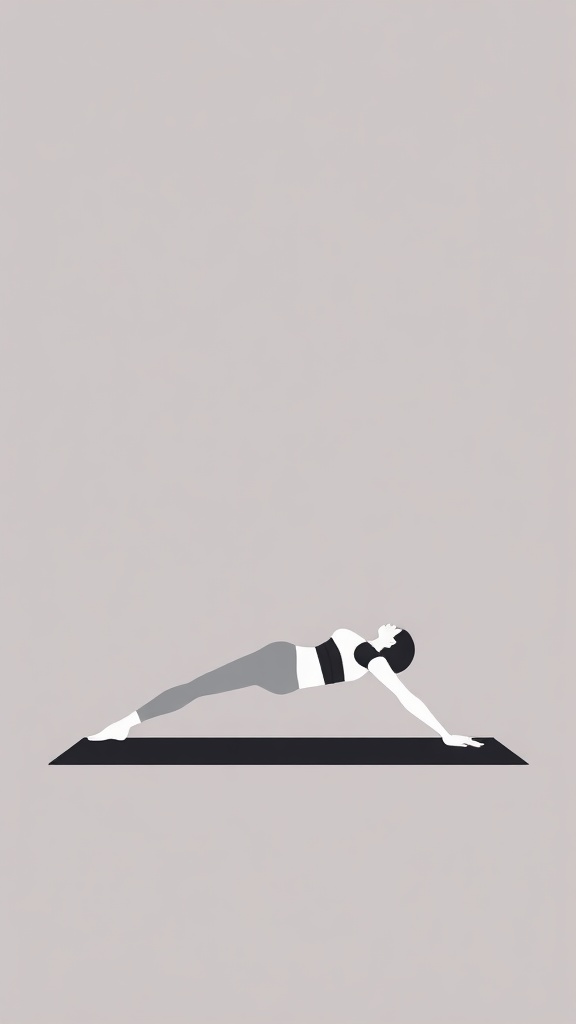
Begin with two short mat sessions a week, 20–30 minutes each. Focus on foundational moves: pelvic curl, hundred (modified as needed), single-leg stretch, roll-up (or assisted variations), and plank. Gradually increase frequency and complexity as control improves.
Pilates is adaptable, sustainable, and effective for a wide range of fitness goals. With deliberate practice and attention to alignment and breath, it becomes a powerful tool for long-term strength, mobility, and movement confidence.