Weightlifting is as much about strategy as it is about raw effort. Whether the goal is getting stronger, adding muscle, or improving athletic performance, a balanced approach that blends progressive overload, technique, mobility, and recovery will produce the most sustainable results.
Progressive overload: small, consistent wins
Progressive overload remains the cornerstone of any effective program. That can mean adding weight to the bar, increasing reps, improving form, or reducing rest time. Aim for incremental progress—small jumps in load (2–5% for upper body, 5–10% for lower body when appropriate), or adding a rep across sets each week.
Track lifts and auto-regulate using RPE (rate of perceived exertion) to avoid forcing weight on an off day.
Prioritize compound lifts
Base your training around compound movements: squat, deadlift, bench press, overhead press, and rows. These lifts recruit multiple muscle groups, improve hormonal response, and offer the best return on time invested. Structure sessions with a heavy compound first when energy is highest, followed by accessory work targeting weak points and hypertrophy.
Technique and durable mechanics
Proper technique reduces injury risk and unlocks strength potential. Key, evergreen cues:
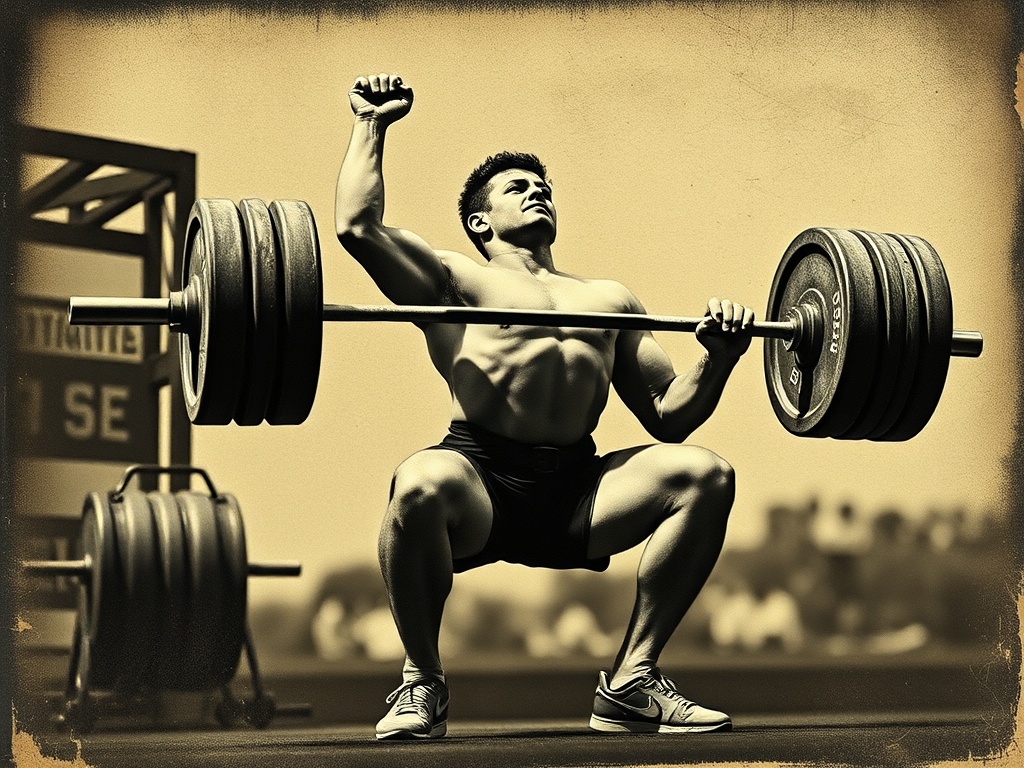
– Squat: chest up, knees tracking over toes, brace the core before descent.
– Deadlift: bar close to shins, hinge at the hips, maintain a neutral spine.
– Bench press: scapulae retracted, drive feet into the floor, bar path over mid-chest.
Use variations and drills—paused reps to eliminate momentum, tempo work to build control, and light-volume technique sessions to reinforce patterning without taxing the central nervous system.
Mobility and stability: train both
Mobility allows you to reach effective positions; stability lets you control them. Spend 5–10 minutes pre-session on movement prep: ankle mobility for deeper squats, thoracic rotations for better overhead positioning, and banded shoulder work for benching. Post-session, prioritize foam rolling and targeted stretching to maintain tissue quality. Integrating brief stability work—single-leg RDLs, farmer carries, and pallof presses—boosts balance and core strength.
Recovery: the underrated pillar
Progress in the gym happens between sessions. Prioritize sleep, aiming for consistent, uninterrupted rest. Nutrition matters: aim for a protein intake that supports recovery and muscle repair (rough guideline often used by lifters is around 1.6–2.2 grams per kilogram of bodyweight), and adjust total calories based on whether the focus is gaining strength with added mass or leaning out without sacrificing performance. Hydration and periodic deloads—reducing volume or intensity for a week—help reset the nervous system and reduce injury risk.
Programming examples and variety
For many lifters, a simple 3-day full-body or upper/lower split offers strong progress without burnout. Example approach:
– 3 sessions per week: 2–4 compound lifts each session (3–5 sets), plus 2–3 accessory movements (8–15 reps).
– Or a 4-day upper/lower split allowing slightly higher volume per lift and more targeted accessory work.
Stay patient and listen to feedback
Plateaus are normal. When progress stalls, change one variable: volume, intensity, exercise variation, or recovery.
Use objective measures (lifting numbers, body composition) and subjective cues (energy, sleep, mood) to guide adjustments. If pain or chronic soreness appears, consult a trained clinician.
Small, consistent improvements combined with smart recovery and solid technique will keep weightlifting both effective and enjoyable over the long term.