Choosing the right fitness gear transforms workouts from chore to results.
Whether building a compact home gym or updating your daily run kit, smarter choices improve performance, reduce injury risk, and extend gear life. Focus on versatility, quality, and recovery tools to get the most value from every purchase.
What to prioritize
– Purpose: Match equipment to goals. Cardio-focused routines benefit most from a reliable pair of shoes and a good smartwatch or heart-rate monitor. Strength training calls for adjustable dumbbells, kettlebells, or a compact barbell set and a sturdy rack if space allows.
– Versatility: Choose gear that supports multiple exercises.
Resistance bands, suspension trainers, and adjustable benches offer dozens of movement options while saving space and money.
– Durability: Look for solid construction—steel frames, high-density foam, quality stitching—and warranties that reflect manufacturer confidence. Cheaper gear often costs more over time through replacement and frustration.
– Fit and comfort: For wearables (shoes, straps, smartwatches), proper fit reduces injury and improves data accuracy. Try shoes with the right width and toe space; choose fabrics that wick sweat and resist odor.
Smart and connected gear
Wearables and app-connected equipment now provide real-time feedback and personalized workouts. Key features to prioritize:
– Accurate sensors and reliable heart-rate tracking
– Long battery life and quick charging
– Water and sweat resistance
– Seamless app integration and exportable workout data
Privacy matters: check how apps handle personal data and whether they share information with third parties.
Essential pieces for most setups
– Resistance bands: Lightweight, portable, and progressive. Ideal for warm-ups, mobility work, and adding resistance to bodyweight moves.
– Adjustable dumbbells: Save space and allow gradual progression without many separate weights.
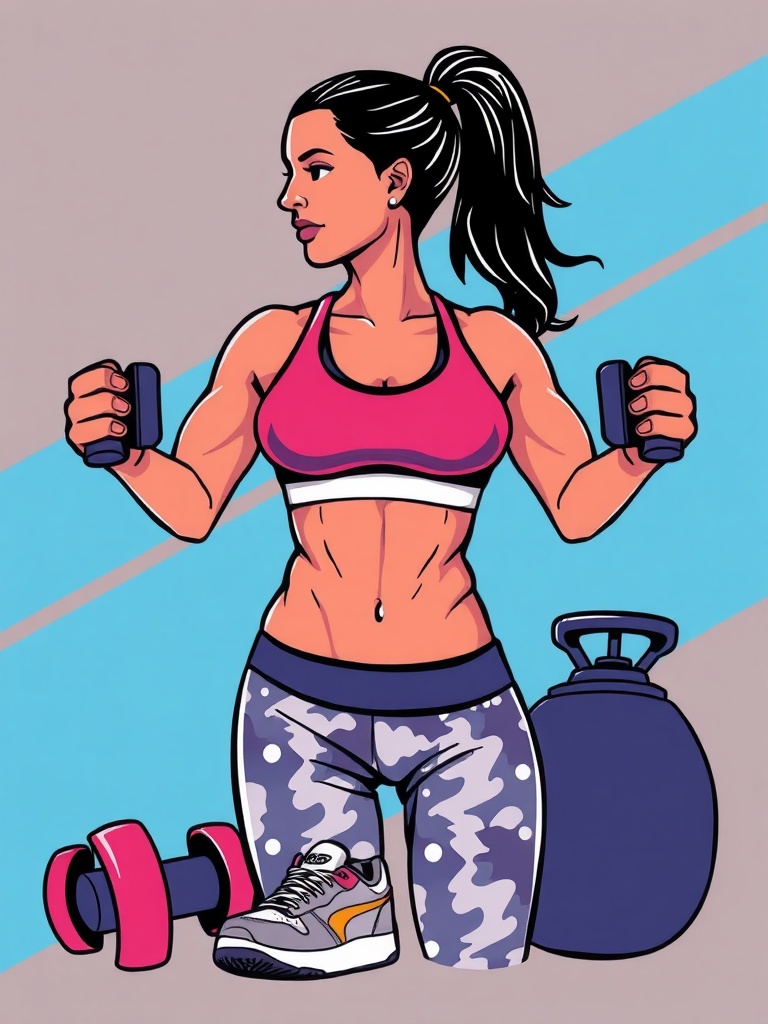
– Kettlebell: Great for dynamic strength, conditioning, and core work.
– Quality running shoes: Match shoe type to gait and terrain—road, trail, or mixed.
– Foam roller and percussion device: Speed recovery and reduce muscle soreness between sessions.
Recovery and injury prevention
Recovery gear is often overlooked but crucial for long-term progress. Prioritize foam rolling, mobility tools, compression sleeves, and sleep-friendly practices. A compact percussion massager can reduce tightness after intense sessions; a durable yoga mat supports stretching and mobility work.
Sustainability and materials
Eco-conscious choices are rising in popularity. Recycled fabrics, natural rubber mats, and long-lasting metal rather than single-use plastics cut environmental impact.
Consider buying used—especially for cardio machines and free weights—which often offers like-new performance at lower cost.
Buying and maintenance tips
– Try before buying when possible, especially shoes and wearables.
– Read user reviews focusing on long-term durability and after-sales support.
– Check return policies and warranties.
– Maintain gear: wipe down pads, retorque bolts, lubricate moving parts, and store weights off damp floors to prevent rust.
– For big-ticket items, plan space and noise: cardio machines can be heavy and generate impact vibration.
Final thought
Investing thoughtfully in fitness gear creates a safer, more enjoyable workout environment and supports consistent progress.
Prioritize multifunctional items, choose durable materials, stay informed about smart device privacy, and give recovery equal billing with training. Smart purchases pay off through better performance, fewer setbacks, and more motivation to move regularly.