Urban cycling is booming, and more riders are sharing streets with cars, scooters, and pedestrians. Whether commuting, running errands, or enjoying weekend rides, safer, smarter habits reduce stress and make trips more enjoyable. The following practical guidance helps cyclists navigate mixed-traffic environments with confidence.
Plan routes with safety in mind
– Prioritize low-traffic streets, protected bike lanes, and multi-use paths when possible.
– Use mapping apps that let you choose bike-friendly routes and avoid busy arterials.
– Scout tricky intersections on foot or by slow trial rides to learn sightlines and signal patterns.
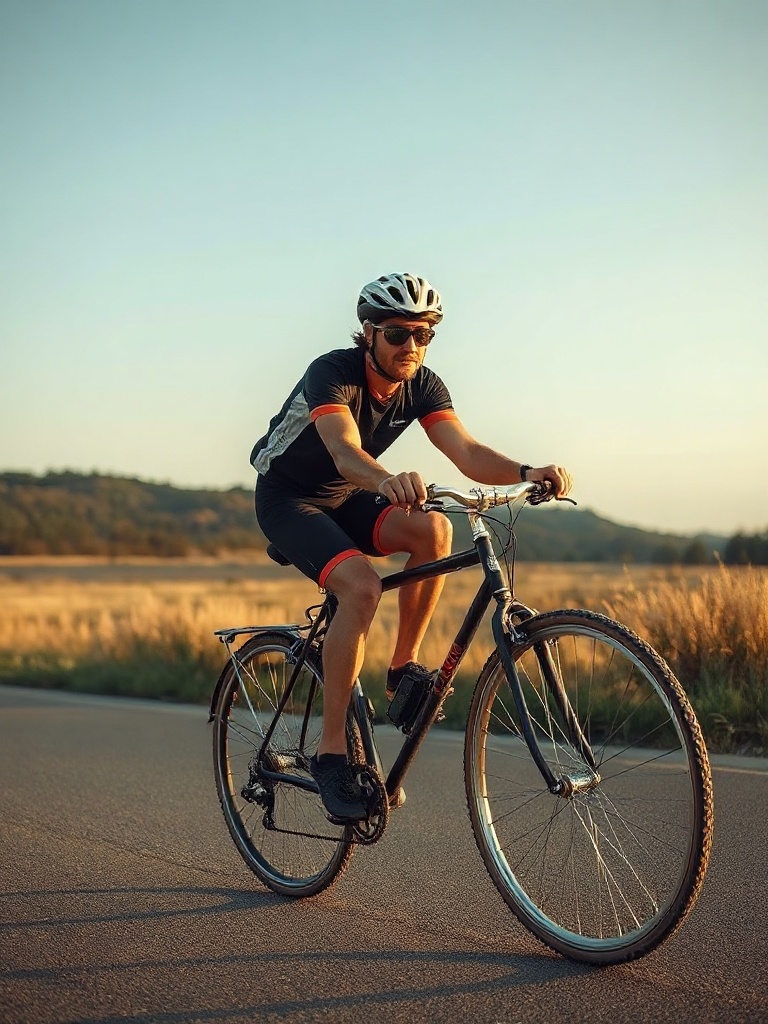
Make visibility unavoidable
– Wear bright, high-contrast clothing and add reflective accents to helmets, bags, and wheel spokes.
– Use lights front and rear for every ride, not just night trips—daytime running lights dramatically increase detection by drivers.
– Position yourself where drivers expect you: avoid riding in blind spots near buses, trucks, or vehicles with trailers.
Adopt confident, predictable positioning
– Ride where you’re visible and have room to maneuver—this often means holding the lane rather than hugging the curb on narrow roads.
– Signal early and clearly any turns or lane changes with hand signals and head turns.
– Maintain steady speed through intersections; sudden swerving or last-second braking spooks nearby road users.
Master intersections and junctions
– Treat intersections as places for extra caution: scan for turning vehicles, opening car doors, and pedestrians stepping into crosswalks.
– When approaching green lights, be ready for drivers running yellows or making last-second turns; don’t assume right-of-way equals safety.
– Use eye contact with drivers when possible to confirm they see you, but don’t rely solely on it—some drivers may be distracted or obstructed.
Handle dooring and parked cars
– Ride at a safe distance from parked vehicles—sweep the pavement for opening doors and avoid the “door zone.”
– When road space is tight, assert a position that makes passing unsafe for traffic; drivers will wait for a safe, legal overtake.
– If a door opens unexpectedly, brake and steer smoothly—avoid swerving into traffic.
Balance speed and confidence on e-bikes
– E-bikes increase speed and reach quickly; practice acceleration, braking, and cornering in low-risk areas before mixing with dense traffic.
– Control the power mode to suit conditions—lower assistance in crowded areas improves handling.
– Be mindful that some drivers judge a cyclist’s speed by pedaling cadence; e-bikes can surprise them. Extra caution at crossings helps reduce conflicts.
Keep your bike safe and reliable
– Regularly check brakes, tire pressure, lights, and quick-release skewers.
A small mechanical can cascade into dangerous situations in traffic.
– Carry a compact multi-tool, spare tube, pump or CO2 inflator, and basic first-aid items for urban trips.
– Consider routine tune-ups at a trusted shop to maintain shifting and braking performance.
Practice defensive riding and etiquette
– Assume others may make mistakes and ride to avoid crashes rather than to prove right.
– Use polite, clear signals for pedestrians and other cyclists—courteous behavior smooths interactions and reduces tension.
– Stay aware of headphones and mobile device use; avoid distractions and keep full attention on the road.
Small habits compound into big safety gains. By planning routes, increasing visibility, positioning predictably, and maintaining equipment, urban cyclists can reduce risk and enjoy more confident, efficient rides.