Run-Walk Method: A Smart Way to Run Farther, Faster, and with Less Injury
The run-walk method has moved from a niche strategy to a mainstream tool for runners of all levels. Whether you’re a brand-new runner, returning after a break, or aiming to break a time barrier, alternating running and walking segments can boost endurance, reduce injury risk, and make long distances more enjoyable.
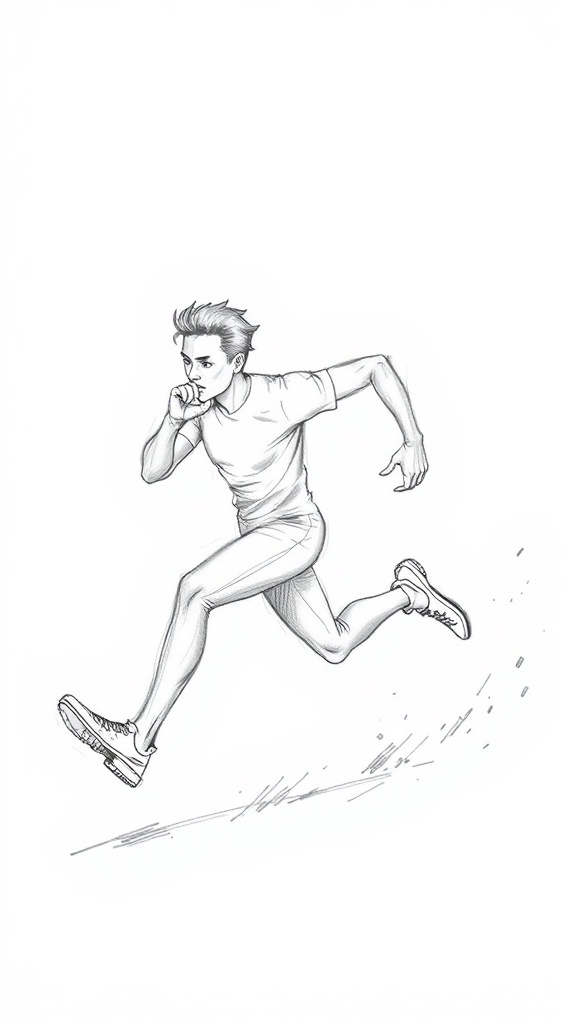
Why the run-walk method works
– Energy conservation: Short walking breaks reset your breathing and heart rate, delaying muscle fatigue and glycogen depletion.
– Reduced impact: Brief walking intervals lower cumulative loading on joints and connective tissue, lowering injury risk.
– Mental resets: Walking moments break tough segments into manageable chunks, reducing mental fatigue and negative self-talk.
– Faster average pace for long efforts: Consistent sub-maximal running with planned walks often yields a better average pace than an all-out effort with late-race slowdown.
How to structure run-walk sessions
Start simple and tailor intervals to your fitness and goals.
– Beginners: 1 minute run / 1 minute walk.
Repeat for 20–40 minutes depending on fitness.
– Intermediate: 4–5 minutes run / 1 minute walk for steady endurance sessions.
– Race strategy: 9 minutes run / 1 minute walk or 10/1 are popular among marathon and half-marathon runners to maintain strong pace late in the race.
– Long run approach: Use longer run intervals early (e.g., 8–10 minutes) and switch to shorter ones as fatigue sets in.
Pacing tips
– Run intervals should feel comfortably hard but sustainable; you should be able to speak in short sentences.
– Walk intervals are brisk power walks, not full recovery strolls—stay moving to keep cadence and momentum.
– Use perceived effort or heart-rate zones rather than strict pace targets when starting; adjust pace as fitness improves.
Progression and training plan integration
– Gradually extend run intervals or reduce walk time every 2–4 weeks, depending on recovery and performance.
– Include at least one long run per week using the run-walk approach to build endurance without excessive wear-and-tear.
– Combine run-walk workouts with a day of speed work or hill repeats if targeting race performance, keeping total weekly volume and recovery in mind.
Injury prevention and recovery
– Pair run-walk training with strength work twice weekly—focus on glutes, hamstrings, core, and single-leg stability.
– Prioritize mobility and hip flexibility; tight hips often lead to compensatory mechanics.
– Monitor soreness and pain patterns; increased joint pain may signal a need to reduce volume or add recovery days.
– Sleep, hydration, and nutrition matter—walk breaks during longer runs also serve as opportunities to take small fuel or hydration doses without breaking rhythm.
Practical race-day advice
– Practice your run-walk plan in at least one long training run so fueling and pacing are dialed in.
– Use a simple timer or watch lap function to stay disciplined; excitement and adrenaline can make you run too long early.
– Communicate your strategy to pacers or race partners so everyone stays aligned.
Who benefits most
– New runners building base fitness
– Older athletes seeking lower-impact endurance options
– Runners returning from injury
– Trail and ultra runners managing steep or technical sections
– Anyone targeting even pacing over long distances
The run-walk method is a flexible, evidence-backed approach that removes unnecessary pain from running while improving consistency and enjoyment.
With simple structure, steady progression, and supporting strength work, it’s a tool that can help almost any runner go farther and feel better doing it.